Overview
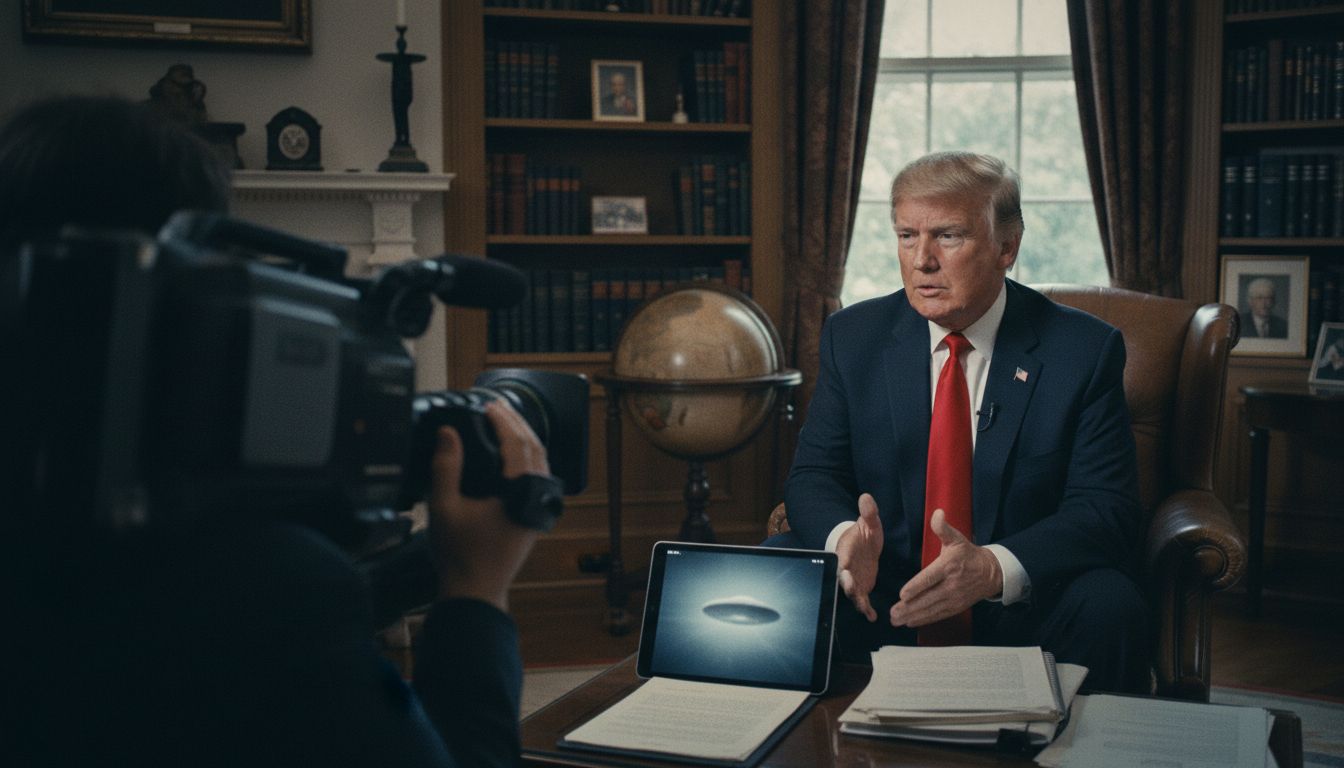
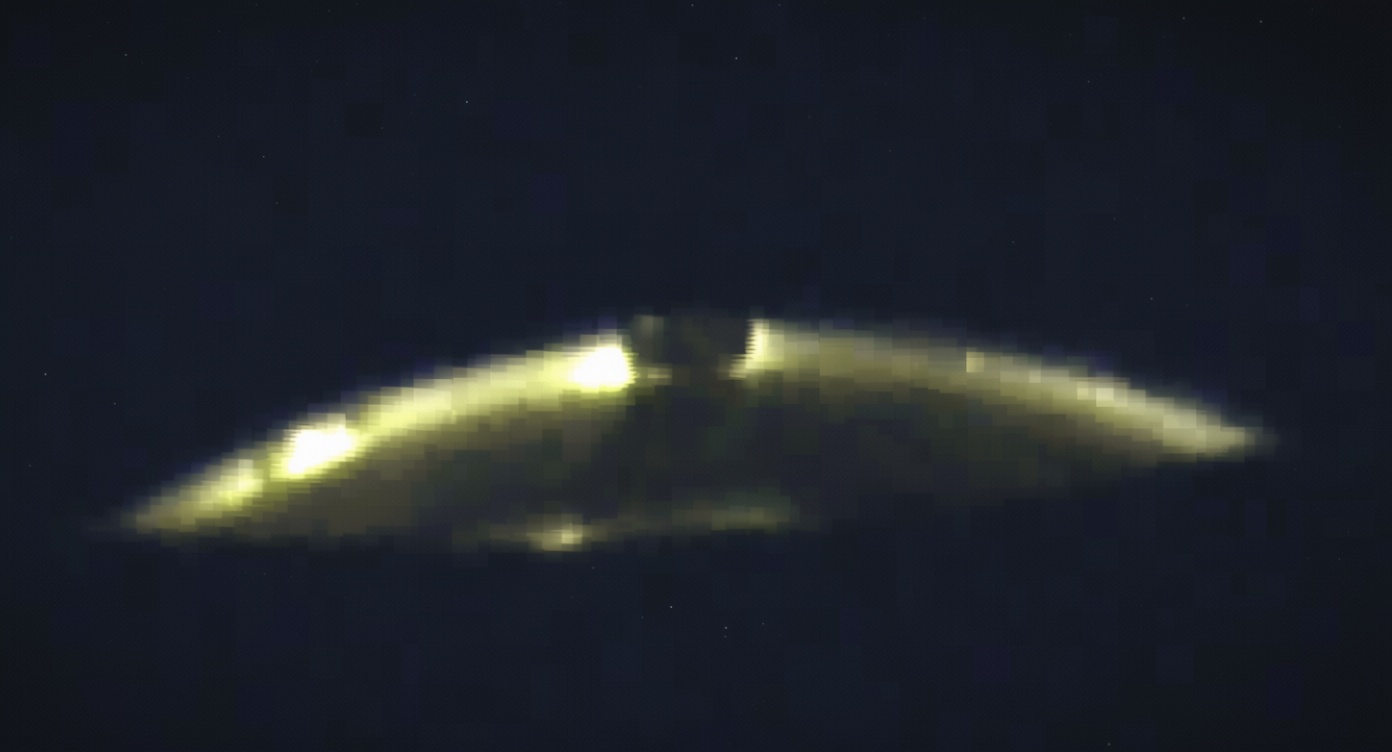
Rochester broadcaster 13WHAM recently highlighted a “Truth or Trash” segment centered on a UFO claim linked to UHF signals, a topic that sits at the intersection of amateur radio, video analysis and perennial public fascination with unidentified aerial phenomena. The available teaser for the segment does not include the program’s final verdict, but it suggests the station was examining whether the claim behind the video or story holds up under scrutiny. As with many UAP-related fact checks, the focus appears to be less on proving extraterrestrial origins than on determining whether there is a credible technical explanation for what viewers are seeing.
The segment title, “Truth or Trash: UFO UHF?”, hints at an investigation into whether ultra-high frequency (UHF) transmissions played a role in the alleged sighting or recording. UHF signals are commonly associated with television broadcasting, communications systems and other wireless technologies, which makes them a natural point of discussion when a mysterious video or interference claim enters the conversation. In cases like this, broadcasters often ask whether the supposed anomaly is the result of signal interference, misidentified equipment, or a genuine unexplained event.
What the Segment Appears to Examine
Although the published page does not provide the full report, the framing suggests that 13WHAM’s team was testing the credibility of a UFO-related assertion rather than simply repeating it. That distinction matters. In the UAP space, videos often circulate with little context, prompting viewers to jump from unusual imagery to extraordinary conclusions. A fact-check segment like “Truth or Trash” typically seeks to slow that process by asking basic but essential questions: Where did the video come from? Who recorded it? Was it manipulated? Could radio or broadcast interference explain the effect?
The mention of UHF is especially significant because electromagnetic interference can produce confusing visual or audio artifacts, particularly in older equipment or in footage captured near transmitters, antennas or other broadcast infrastructure. In past incidents, claims of mysterious lights or flying objects have sometimes been traced to mundane causes such as reflections, drones, aircraft navigation lights, weather effects or camera sensor issues. A credible review would likely consider those possibilities before concluding anything unusual was happening.
Why It Matters
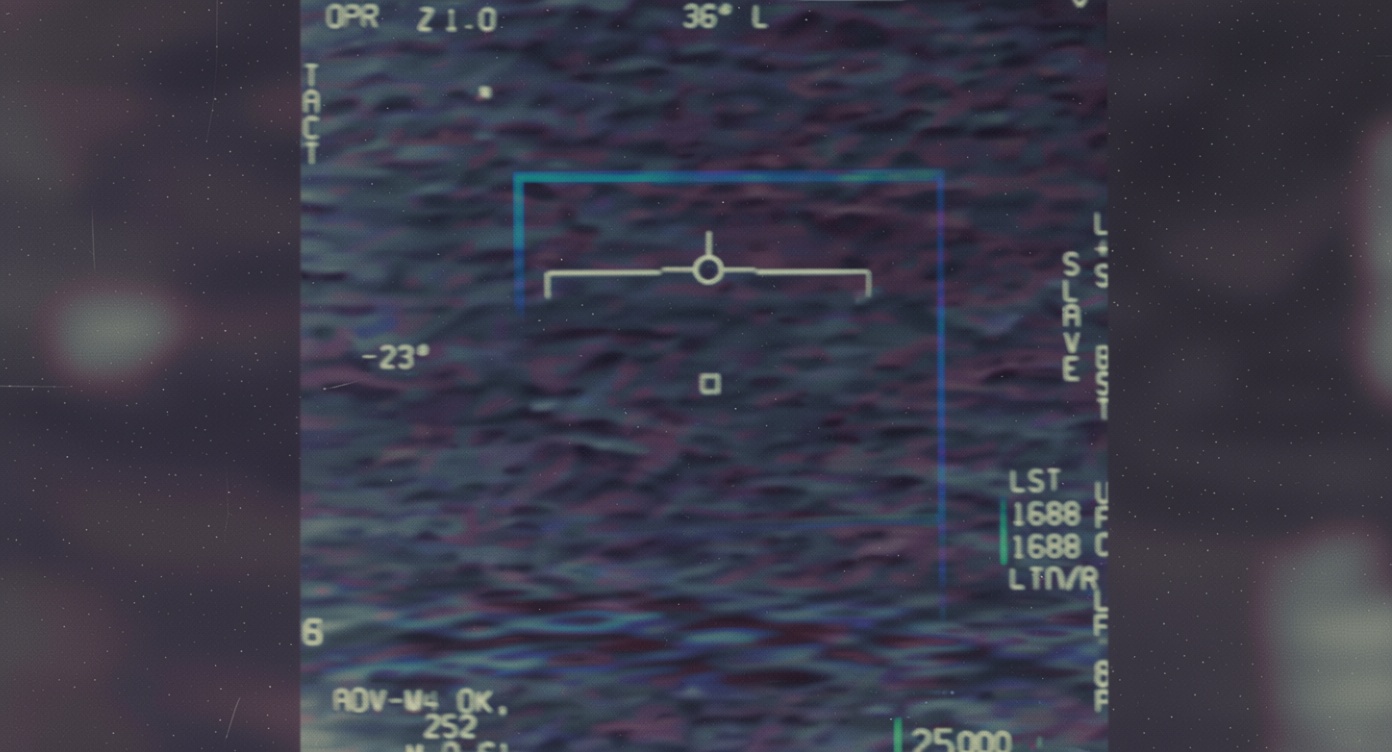
Segments like this continue to resonate because public interest in UFOs remains high, even as the term UAP has become more common in mainstream media and government discussions. Viewers are increasingly accustomed to hearing about military sightings, sensor data and congressional inquiries, but the public conversation also remains crowded with viral clips and speculative claims that do not always withstand examination. That is where local fact-checking has value: it can help separate verifiable evidence from internet lore and explain the technology involved in a way that is accessible to general audiences.
For a local station, the appeal is also clear. “Truth or Trash” is built around the idea that not every intriguing clip tells the full story. By applying a skeptical lens to a UFO/UHF claim, the segment reinforces a broader media responsibility: to treat extraordinary claims carefully, especially when technical terms or broadcast jargon are used to lend them authority. In a field where uncertainty is often the starting point, rigorous context is more useful than speculation.
The Missing Verdict
What remains unclear from the available material is the segment’s conclusion. The teaser page does not disclose whether 13WHAM determined the claim was truth, trash, or something in between. That absence is important, because it means the public-facing page functions more like a preview than a complete report. Still, the choice to spotlight a UFO claim tied to UHF signals reflects a broader trend in UAP coverage: audiences want explanations, not just imagery, and journalists are increasingly expected to provide both skepticism and context when unusual sightings make headlines.