Overview
A rare, previously unseen 1950s UFO report has surfaced in an unlikely place: a cardboard box at a flea market. The document, described as a firsthand account, appears to include the stark claim, “I saw a flying saucer,” giving modern readers a direct glimpse into the language and atmosphere of early postwar UFO culture. While the report’s exact origins are still being discussed, the find has quickly drawn attention because vintage UFO material from the 1950s rarely turns up in such unexpected condition or context.
What Makes the Report Notable
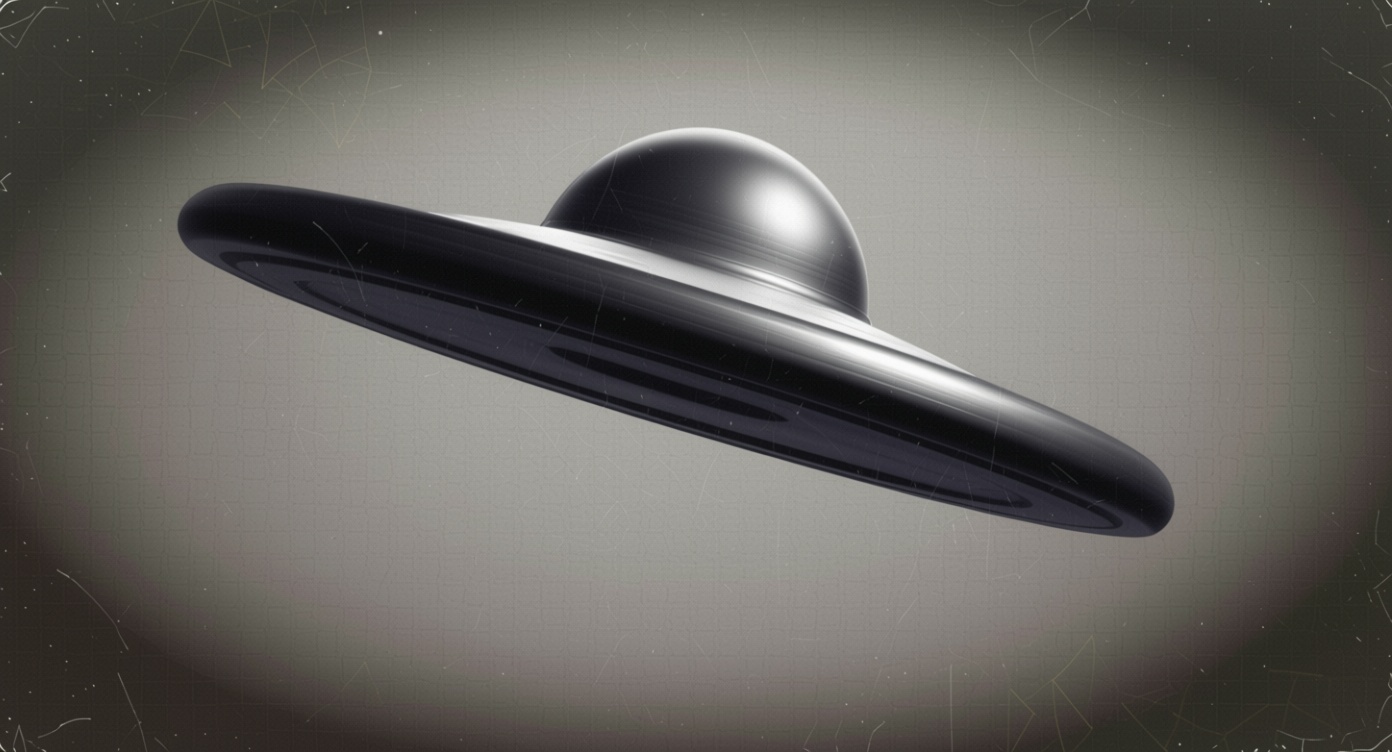
What sets the discovery apart is not just its age, but its apparent status as an unpublished or previously unseen primary source. UFO historians and collectors often rely on newspaper clippings, government files, or later retellings; an original-era report from the 1950s can provide a much more immediate snapshot of how witnesses described unusual aerial events at the time. The phrasing itself is telling. In the 1950s, “flying saucer” was still the dominant shorthand for unexplained objects in the sky, before the modern term UAP entered wider use.
The report’s survival in a flea-market box also underscores how easily pieces of mid-century history can slip out of formal archives. Documents like this are often lost in estate sales, personal collections, or unsorted boxes of papers before anyone recognizes their significance. For UFO researchers, that kind of accidental preservation can be as important as any official archive, because it may contain raw witness language and contemporaneous details that never made it into edited summaries or later commentary.
Context From the Flying Saucer Era
The 1950s were a pivotal decade for UFO lore in the United States and abroad. Public fascination with mysterious craft had surged after the late-1940s wave of sightings, and reports of odd lights, discs, and metallic objects became common in newspapers and magazines. Against that backdrop, a firsthand report like this one is less surprising than it might seem today, but it remains historically valuable because it reflects the era’s broader anxieties and curiosities about aviation, technology, and the unknown.
That historical context is important when evaluating the document. A report that says “I saw a flying saucer” does not, by itself, prove anything about the object witnessed. It does, however, show how a person in that period interpreted the event and how the cultural vocabulary of the time shaped the account. For researchers, that makes the document useful whether the sighting was ultimately mundane, mistaken, or genuinely unexplained.
Why It Resonates Now
In today’s UAP debate, old documents like this one continue to matter because they help trace how sightings were recorded long before contemporary military reporting systems and social media documentation. A faded 1950s form, tucked away in a flea-market box and rediscovered decades later, offers something rare: a direct line to the early years of flying-saucer fascination. Even without dramatic confirmation, the report adds another small but intriguing piece to the larger archive of UFO history.