Overview
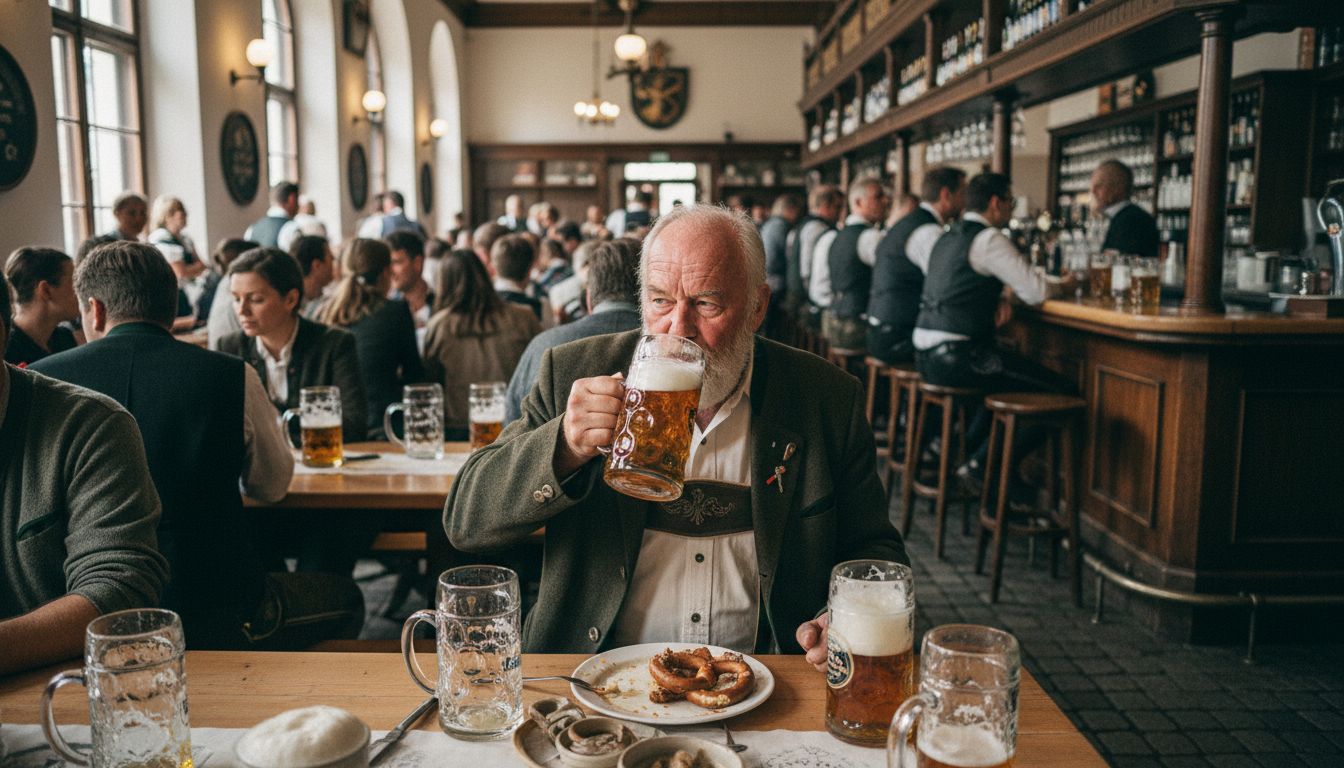
A long-standing Munich legend claims that a Bavarian man sent back to Earth from heaven never completed his mission because he stopped for a beer at the Hofbräuhaus. According to the story, the man—known after his death as Angel Aloisius—remains at the famous Munich beer hall, drinking at the bar long after he was supposed to return to the afterlife.
The tale is not presented as a documented haunting, but as a piece of Bavarian folklore closely associated with the Hofbräuhaus and Munich’s drinking culture. Visitors may encounter it on local ghost walks or in accounts of the city’s supernatural traditions, where it is often blended with broader stories of unexplained activity at the historic establishment.
A Beer Hall With Centuries of History
The Hofbräuhaus began as a royal brewery in 1589, according to the source account, and remained connected to the Bavarian court until it was opened to the public in 1828. Its large main hall, the Schwemme, became a gathering place capable of accommodating more than 1,000 guests. Today, the venue is internationally known for traditional music, communal tables and large beer steins.
The brewery’s origins are themselves linked to dissatisfaction with local beer. The story holds that William V, Duke of Bavaria, considered Munich’s beer inferior and imported beer from Saxony before ordering the creation of a local royal brewery. Modern Hofbräuhaus customs also include regular patrons keeping personal beer mugs in small lockers, with demand reportedly high enough to produce a waiting list.
The Legend of Angel Aloisius
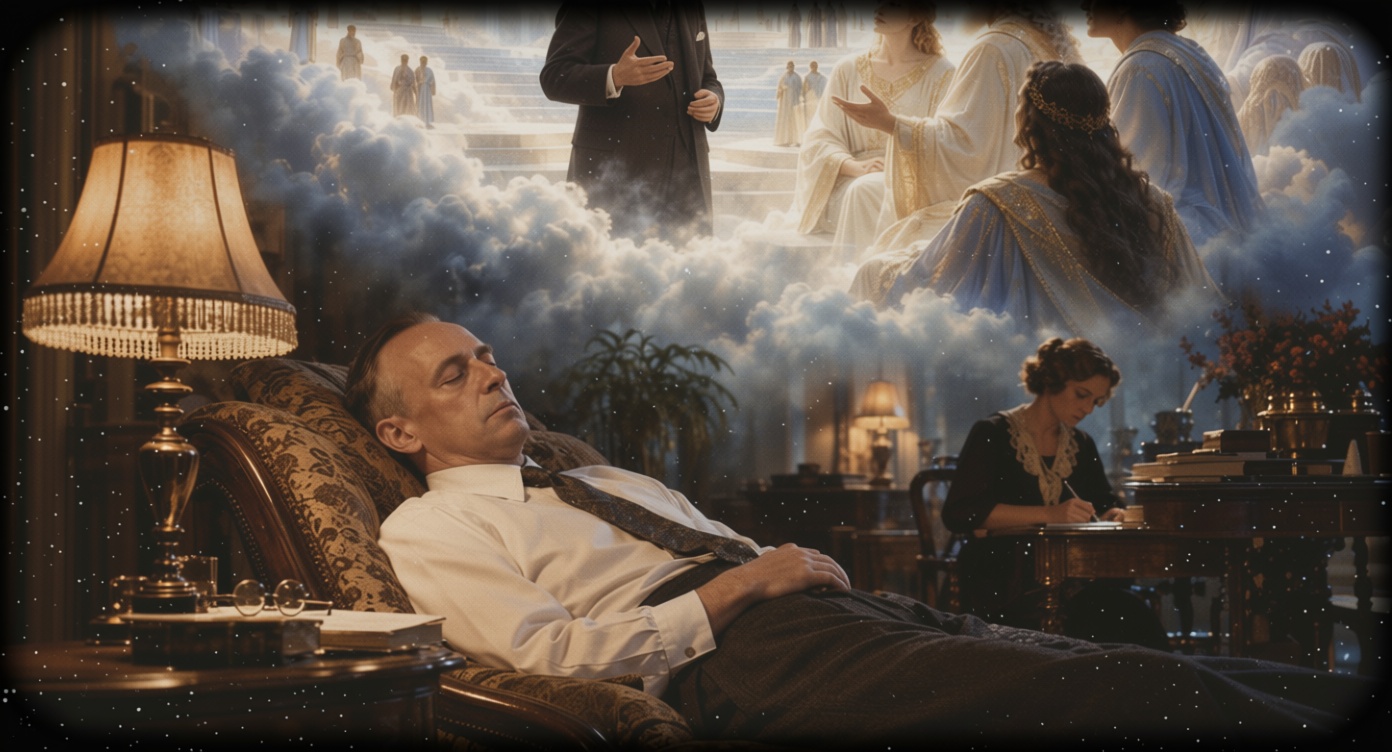
The ghost story centers on Alois Hingerl, described as a porter bearing the number 172 and a devoted Hofbräuhaus regular. After suffering a stroke while working at Munich Central Station, Hingerl dies and is carried to heaven by two angels. There, he is renamed Angel Aloisius, given a harp and a cloud, and instructed to sing “Hallelujah” according to a strict heavenly schedule.
Aloisius soon becomes unhappy. Heaven offers no beer and no snuff, two pleasures he had enjoyed in life. When he is given an opportunity to return to Earth with a letter containing divine advice for the Bavarian government, he eagerly accepts. Rather than deliver the message, however, he goes directly to the Hofbräuhaus and begins ordering beer after beer. The mission is forgotten, and the heavenly messenger is said never to have left.
Literary Origins and Modern Haunting Claims
The character of Angel Aloisius originated in “A Munich Man in Heaven,” a 1911 short story by Bavarian writer Ludwig Thoma. The story’s humor comes from its distinctly local premise: even heaven cannot compete with Munich when beer, habit and conviviality are involved. The city later honored Thoma with a medal beginning in 1967, though the award was discontinued in 1990 after scrutiny of his national-conservative views, anti-Semitic statements and anti-socialist polemics.
The Hofbräuhaus has also accumulated more conventional ghost stories. Employees and visitors have reportedly described glasses moving without explanation, whispers in empty rooms and apparitions appearing briefly at tables. There is no verified evidence that these incidents occurred, and the accounts remain part of the venue’s folklore rather than established fact. Whether interpreted as a ghost story, a literary joke or a symbol of Bavarian identity, the tale of Aloisius endures because its conclusion is simple: when offered a choice between heavenly duty and a Munich beer, the local man chose the beer—and never looked back.