Overview
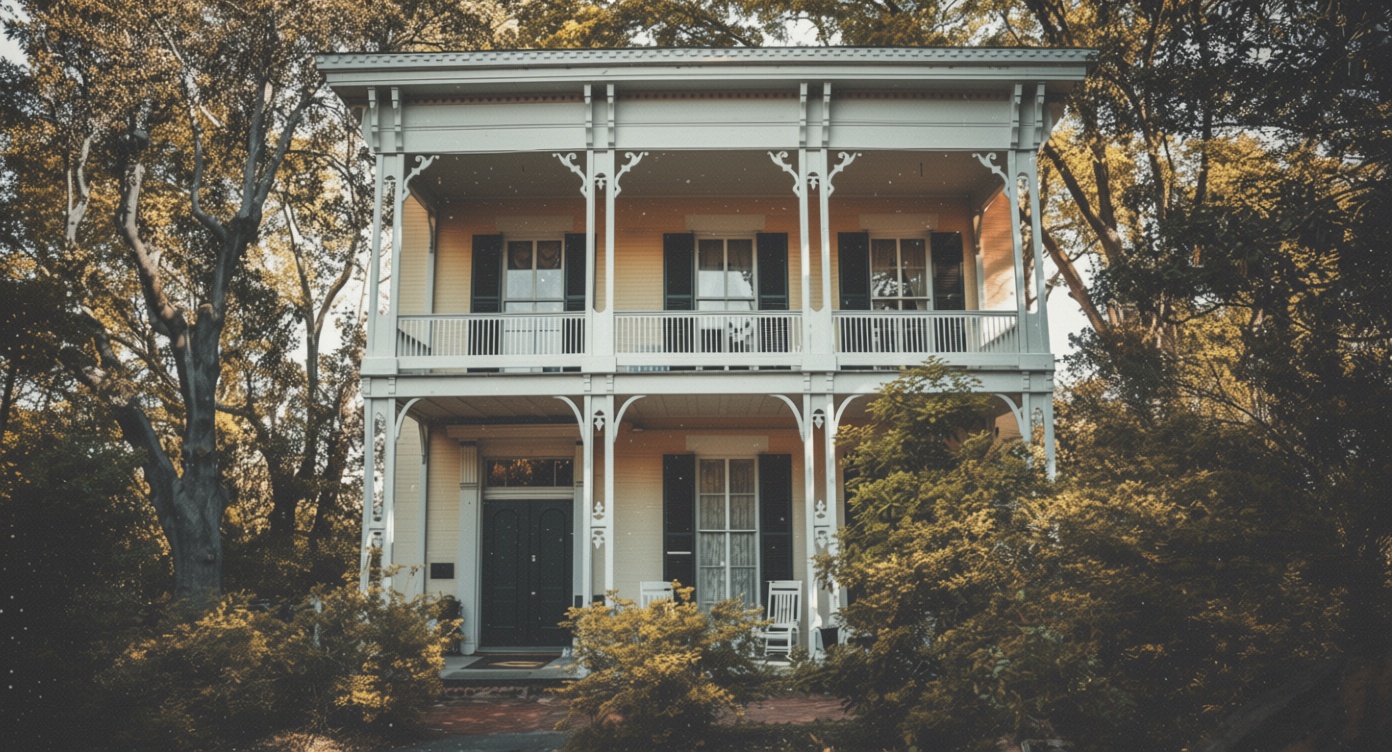
A skeptical visitor’s overnight investigation at McRaven House in Vicksburg, Mississippi, offered an encounter with one of the South’s most persistent haunted-house legends—and with the historical violence that helped create it. In a CNN Travel account published October 23, 2025, the visitor joined 13 other guests for one of the property’s monthly late-night ghost hunts, entering a site linked to the Civil War, wartime medical treatment and multiple reported deaths.
McRaven’s oldest section was built in 1797, and the antebellum residence later became a makeshift hospital for wounded Confederate soldiers during the Vicksburg campaign. Hundreds of soldiers are believed to have been buried in a nearby mass grave, reportedly about 50 feet from the house. The city itself endured a 43-day siege before Confederate forces surrendered on July 4, 1863, a turning point in the Union campaign to control the Mississippi River.
A Reported Apparition
The house’s reputation is not limited to its Civil War history. Grace Bailey, one of McRaven’s tour guides, recalled an incident that occurred near closing time on a recent July 4. She saw a formally dressed man approaching the house along its brick pathway and went to open the front door for him. When she did, however, no one was there.
Bailey said the man’s hairstyle reminded her of a portrait of John H. Bobb, a former owner of McRaven who was murdered by Union occupiers exactly one year after the Confederate surrender. “I was on the verge of freaking out,” Bailey said, recalling the resemblance between the figure and Bobb’s distinctive hair. For Bailey, who had initially described herself as uncertain about ghosts, the experience became what she considered her first direct sighting of one.
The account presents these experiences as personal testimony rather than verified evidence. There is no independent confirmation that the figure was Bobb—or that it was paranormal—but such stories have become central to the house’s appeal. McRaven continues to offer conventional historical tours alongside after-hours investigations intended to help visitors search for unexplained activity.
Inside the Ghost Hunt
The CNN visitor entered the investigation openly skeptical, noting that they had never seen, heard or felt a ghost, or watched an object move without an apparent physical cause. Guides Bailey and Brian Riley explained the electronic devices used by the group, which participants believed might help detect or communicate with spirits.
The investigation began with an unexplained sound from the unoccupied second floor. Not long after the equipment was introduced, muted but distinct thumps echoed through the building. “Did you hear that?” the visitor asked fellow guest Jon Williams. “Yeah. That sounded like footsteps,” Williams replied. The moment marked the beginning of the group’s attempt to interpret the house’s noises and sensations.
Williams and his wife, Cassie, had traveled four hours from Booneville and were returning for a second visit. Although Williams said he grew up in a home where he experienced what he considered ongoing paranormal activity, he initially viewed McRaven as a possible tourist attraction rather than a genuinely haunted location.
Broader Perspectives on Hauntings
The McRaven story also connects with broader debates about why people report encounters with ghosts. The Haunted History Chronicles podcast features psychologist and paranormal researcher Brian Laythe in an episode examining hauntings through psychological, religious and social perspectives. Those frameworks can include expectation, memory, group influence, cultural beliefs and the emotional impact of historically traumatic places.
For believers, McRaven’s reported footsteps, apparitions and other incidents suggest that the past remains present. For skeptics, the same events may reflect ordinary sounds, ambiguous visual impressions or the power of suggestion. The house’s enduring significance lies in both possibilities: it is a preserved historical site shaped by war and death, and a place where visitors continue to test the boundary between documented history and supernatural interpretation.