Overview
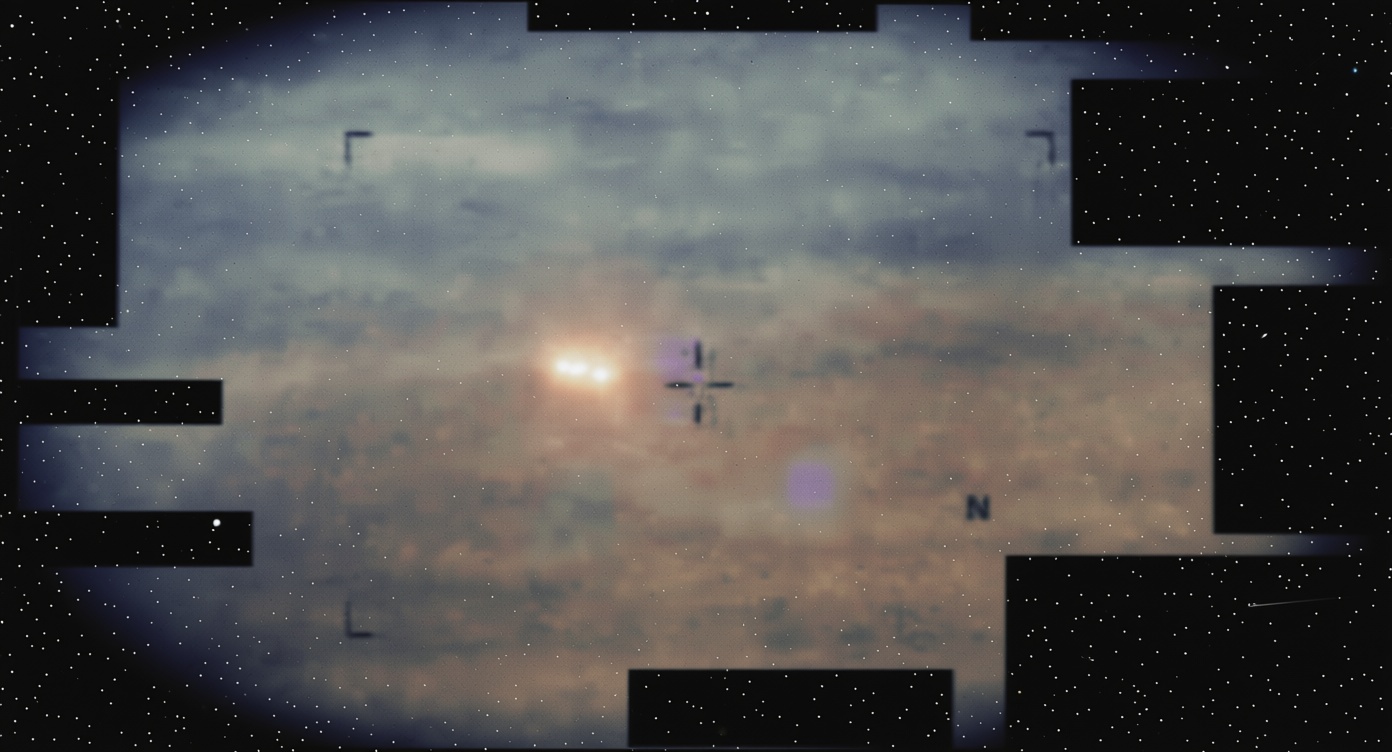
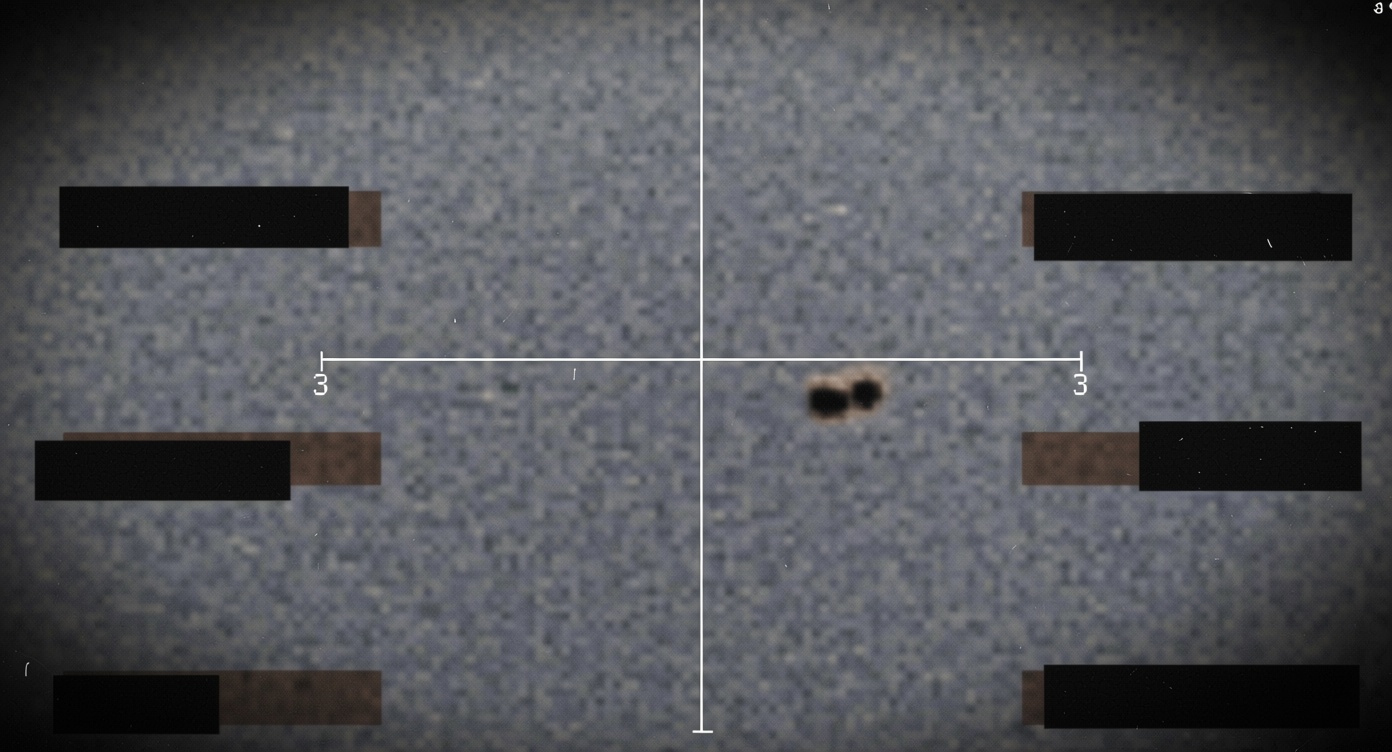
A change in wording between the Department of Defense’s annual reports on unidentified anomalous phenomena has prompted renewed discussion about what the government does—and does not—know about UAP. The comparison centers on reports issued by the All-domain Anomaly Resolution Office (AARO) for fiscal years 2024 and 2025. The FY2024 report stated that AARO had found no evidence of “extraterrestrial beings, activity, or technology,” while the FY2025 report reportedly used narrower or otherwise different language.
That editorial change has attracted attention because wording about extraterrestrial possibilities carries significance in a subject often marked by speculation. However, a change in phrasing by itself does not demonstrate that AARO has obtained new evidence of extraterrestrial activity or determined that UAP are of non-human origin. Establishing such a conclusion would require supporting data, analysis, and an explicit finding—not simply an alteration to a sentence in an annual report.
What the FY2024 Report Said
The FY2024 document, titled Fiscal Year 2024 Consolidated Annual Report on Unidentified Anomalous Phenomena, was published by the Department of Defense on November 14, 2024. Its information cutoff was June 1, 2024, and the report contained 18 pages. It was prepared in response to a statutory reporting requirement and described AARO’s review of UAP reports, investigative activities, analytical work, and future plans.
The report’s executive summary included a direct statement that AARO had found no evidence of extraterrestrial beings, activity, or technology. The broader document focused on the status of reported incidents rather than confirming extraordinary explanations. Its sections covered reporting trends, the sources and characteristics of observations, apparent morphologies and altitudes, geographic patterns, and incidents involving potentially ordinary objects.
AARO also reported that it possessed no data indicating the capture or exploitation of UAP and said that no health or physiological effects had been reported in connection with UAP incidents. Other sections addressed flight-safety concerns and observations of unmanned aircraft systems near U.S. nuclear infrastructure, weapons facilities, and launch sites. These details illustrate the office’s emphasis on data quality, operational risk, and resolution of cases, rather than on assigning an extraterrestrial explanation to unexplained observations.
Interpreting the FY2025 Difference
The reported FY2025 wording appears to differ from the FY2024 formulation, potentially through the omission or revision of one or more terms. Such changes can result from ordinary editorial decisions, adjustments to statutory language, efforts to distinguish categories of evidence, or a desire to avoid making a broader claim than the available data support.
Importantly, saying that a report no longer uses a particular phrase is not equivalent to saying that the underlying assessment has changed. A report may revise language without revising its conclusions, and the absence of a statement is not affirmative evidence of the proposition it once addressed. Neither the FY2024 sentence nor its reported FY2025 revision, standing alone, establishes the origin of UAP.
What the Reports Actually Show
The most defensible conclusion is that the reports reflect an evolving administrative and analytical framework for discussing UAP. AARO continues to distinguish between incidents that remain unresolved because of incomplete or poor-quality information and cases that may eventually be explained through conventional sources, including aircraft, drones, balloons, satellites, atmospheric effects, or sensor artifacts.
Consequently, the wording change should be treated as a point for closer examination—not as proof of a breakthrough. Determining whether AARO’s substantive position has shifted would require comparing the complete FY2025 report, its evidentiary findings, case-resolution data, and any explicit explanation for the revised language. Until those materials show otherwise, the change is best understood as an editorial or definitional development whose significance remains unproven.