An Unidentified Lagoon Object
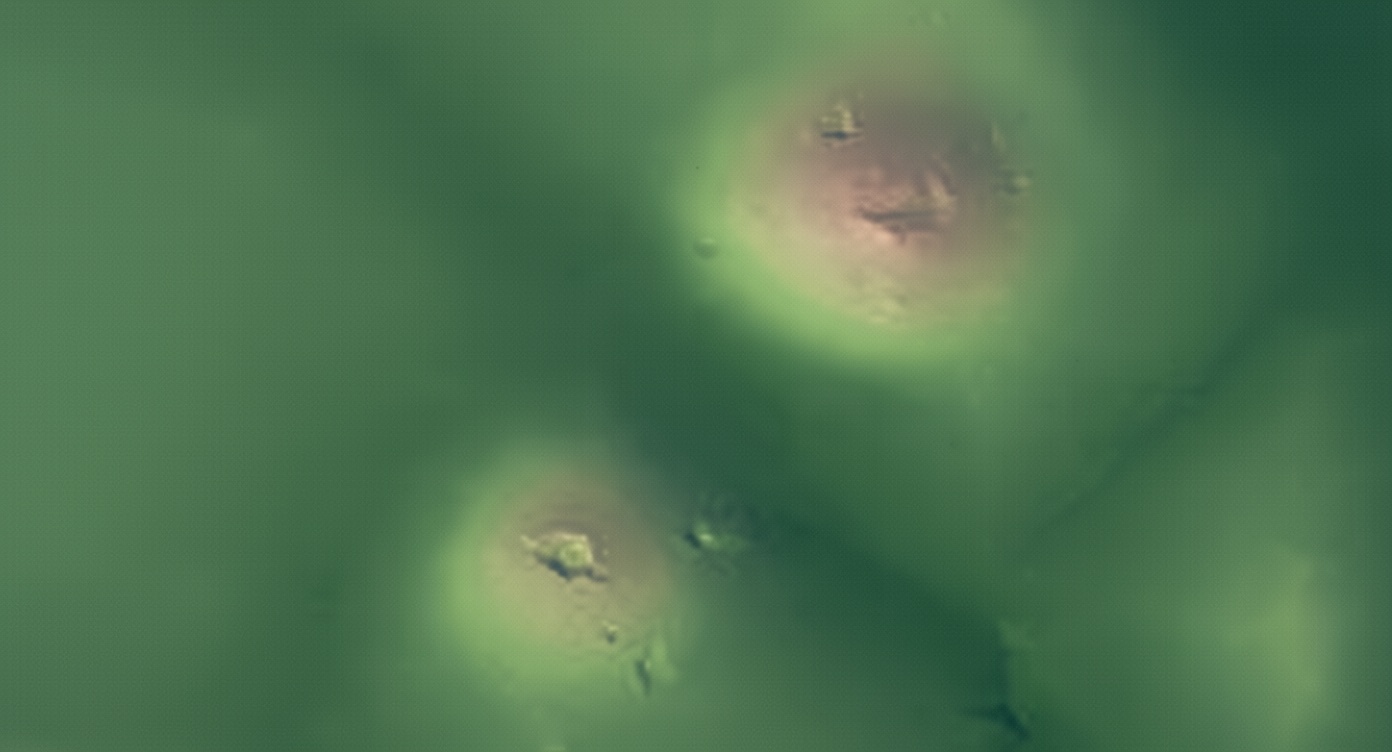
Nearly 90 years after aviator Amelia Earhart disappeared over the Pacific, researchers are preparing to investigate an unidentified feature in the shallow waters of Nikumaroro, a remote coral island in the Republic of Kiribati. Supporters of the expedition believe the feature—known as the Taraia Object—could possibly be associated with the wreckage of Earhart’s Lockheed Electra 10E.
The object was identified through satellite imagery near the Taraia Peninsula. However, it has not yet been physically examined, and there is currently no confirmed evidence that it is aircraft debris. The available information does not establish whether the feature is manufactured material, natural rock, vegetation, or other submerged debris. Its significance therefore remains speculative.
Planned Expedition
According to the report, an expedition supported by Purdue University, the Purdue Research Foundation and the Archaeological Legacy Institute is scheduled to depart Tarawa, Kiribati, on October 7. The team is expected to spend approximately six days traveling across the Pacific before reaching Nikumaroro and entering its lagoon.
Researchers plan to use a hydraulic dredge to remove sediment covering the anomaly. Exposing the object could allow specialists to assess its shape, composition and condition and determine whether it has characteristics consistent with an aircraft component. The expedition’s purpose is investigative; the material provided does not confirm that the object will be recovered or that it is about to be uncovered.
Earhart’s Disappearance
Earhart and navigator Fred Noonan vanished on July 2, 1937, while flying from Lae, New Guinea, to Howland Island during Earhart’s attempt to become the first woman to circumnavigate the globe. Their specially modified, twin-engine Lockheed Electra had completed roughly 22,000 miles of the journey before the difficult Pacific flight.
Radio communications with the U.S. Coast Guard cutter Itasca deteriorated as the aircraft approached Howland Island. At approximately 7:42 a.m. local time, Earhart reported that fuel was running low and that she could not see the ship. Her final confirmed transmission, received at about 8:43 a.m., referred to flying along a navigational line oriented 157 to 337 degrees. Earhart, Noonan and the aircraft were never located, despite an extensive U.S. Navy and Coast Guard search.
The Nikumaroro Theory
The prevailing explanations include a crash into the open Pacific after the aircraft exhausted its fuel and a landing on what was then called Gardner Island, now Nikumaroro. The latter theory has been investigated for decades by The International Group for Historic Aircraft Recovery, or TIGHAR.
Nikumaroro lies about 350 nautical miles southeast of Howland Island and has a broad reef flat that, under favorable tidal conditions, could potentially have permitted an emergency landing. Search aircraft reportedly observed signs of recent human activity in the Phoenix Islands days after Earhart’s disappearance, although no observer reported seeing the aviators or their aircraft.
Later archaeological investigations uncovered various objects that proponents say may support the possibility that Earhart and Noonan survived temporarily on the island. Those findings remain contested, however, and no discovery has definitively linked Nikumaroro to the missing flight. The Taraia Object could provide additional information if researchers can safely expose and identify it—but until that work is completed, its connection to Earhart remains an unverified hypothesis rather than a confirmed breakthrough.