Overview
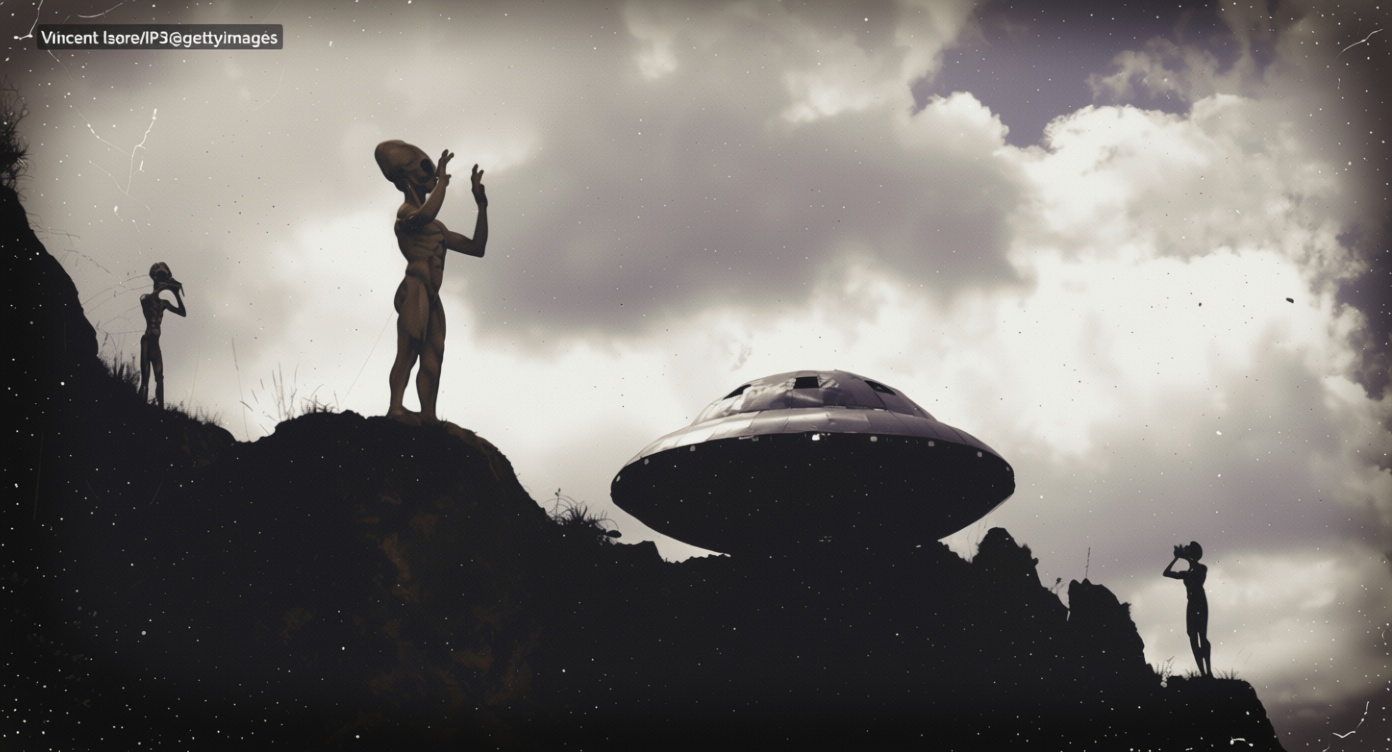
A long-running fringe theory connecting Bigfoot, the Yeti, and an extinct giant ape has resurfaced alongside a new taxonomic debate in paleoanthropology. The latest discussion traces back to a 1960 Nature paper by zoologist Wladimir Tschernezky, who analyzed a mysterious footprint and suggested it might point to a “very huge, heavily built bipedal primate” living in the Himalayas. Tschernezky’s hypothesis, paired with reports of Yeti encounters and fossil discoveries from southern China, helped cement the enduring association between cryptid legends and Gigantopithecus, a massive ape genus that roamed Asia roughly 2 million to 200,000 years ago.
The Fossil Record and the Bigfoot Connection
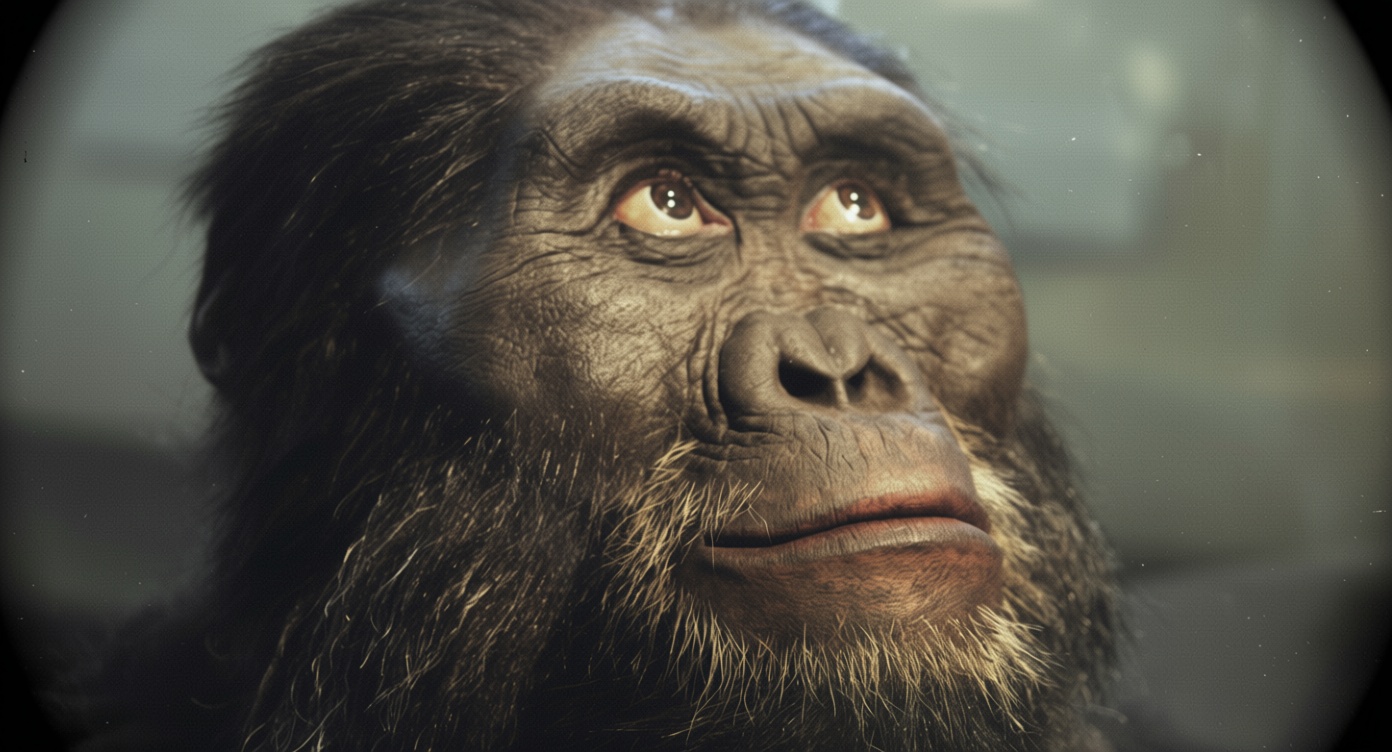
The new article argues that decades of paleontological work in southern China kept feeding interest in that idea, even if the link remains speculative rather than confirmed. Gigantopithecus is widely regarded as the largest ape known to have existed, and its sheer size made it an attractive candidate for those trying to explain stories of outsized, upright beings in mountain folklore. But despite the popularity of the comparison, there is still no direct scientific evidence tying any modern cryptid sightings to extinct apes. Instead, the association has persisted because it sits at the intersection of folklore, incomplete fossil evidence, and scientific curiosity.
A New Taxonomy Debate
What gives the discussion renewed relevance is a new study published in the American Journal of Biological Anthropology, which argues that several extinct ape and hominin groups may deserve to be placed within the genus Homo alongside modern humans. Lead author Ian Towle, a research fellow at the Monash Biomedicine Discovery Institute, said in a statement that these groups “do not necessarily represent distinct evolutionary branches, or ‘clades,’” and noted that differences in behavior and ecology once used to separate them have become harder to defend. The paper points to dental traits—especially smaller, more human-like canine teeth—in fossils assigned to genera such as Indopithecus, Ouranopithecus, and Gigantopithecus.
Why the Human Family Tree Keeps Shifting
Towle’s argument fits into a broader reevaluation of the human evolutionary tree, where long-accepted boundaries between genera are increasingly seen as more fluid than once believed. He describes the field’s long-running “wastebasket” taxonomy problem: as new fossils are discovered, scientists often try to force them into categories that may be too rigid or too arbitrary. The genus Homo itself has expanded over time, first defined in part by larger brain size but later broadened to include species such as Homo habilis, Homo floresiensis, and Homo naledi, some of which have brains comparable in size to those of Australopithecus.
What the Study Does — and Doesn’t — Prove
Even so, the new paper does not prove that these ancient apes were human ancestors in any straightforward sense, and it certainly does not validate Bigfoot sightings. Rather, it highlights how messy and non-linear the evolutionary record can be. As Towle put it, “The more we learn about our ancestors and close fossil relatives, the more we realise how complex and non-linear our family tree is.” For scientists, the real story is not cryptids, but the challenge of classifying fragmentary fossils from a deep and often ambiguous past.