Overview
Researchers investigating long-standing historical mysteries are increasingly turning to two powerful tools: newly documented ancient structures and advances in DNA technology. Together, they are helping archaeologists and historians revisit questions that have remained unanswered for decades, and in some cases, centuries. While many mysteries once relied heavily on speculation, the latest work is grounded in physical evidence—stone alignments, buried foundations, human remains, and genetic traces that can be analyzed with far greater precision than before. The result is a more disciplined approach to understanding lost civilizations, migration patterns, and the people who built some of the world’s most enigmatic sites.
Ancient Structures Offer New Clues
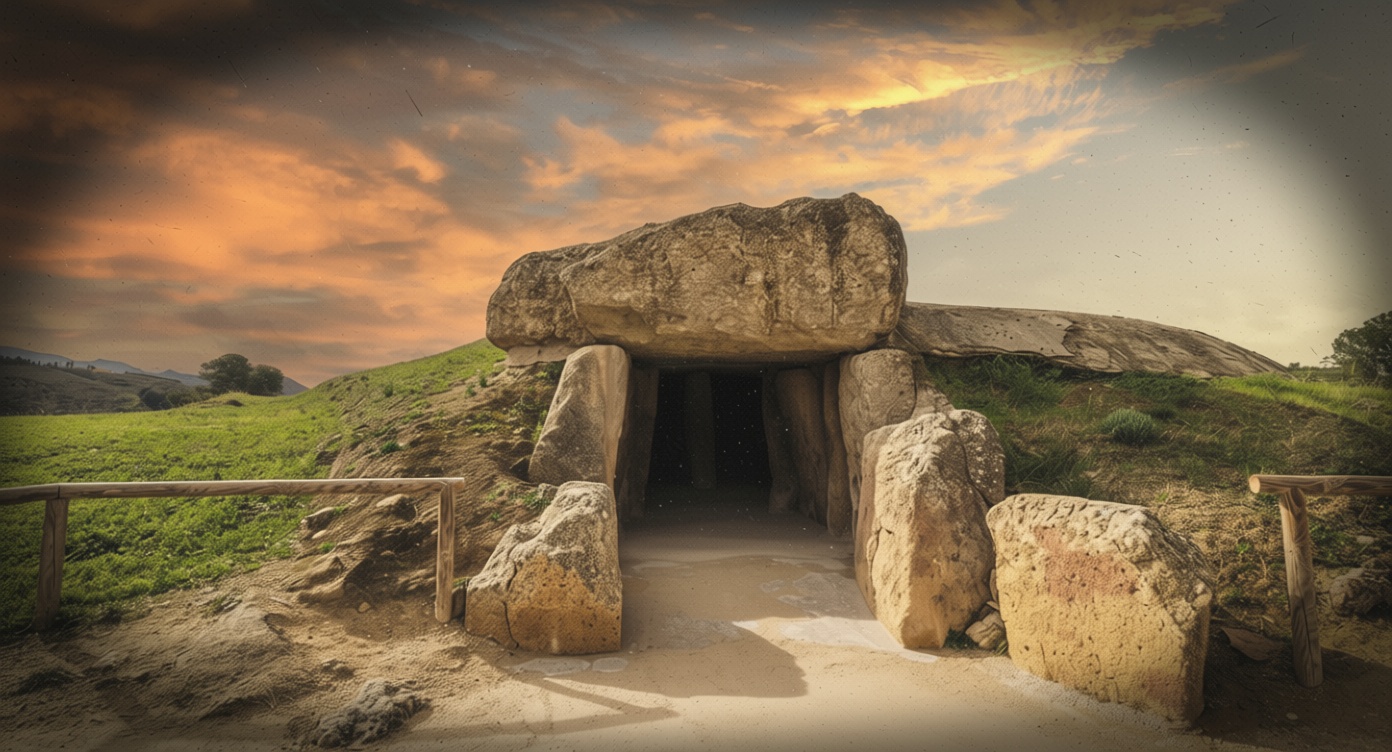
Across multiple regions, the discovery and reinterpretation of ancient structures are reshaping the historical record. These sites can include ceremonial complexes, defensive walls, submerged settlements, and monumental earthworks that were long overlooked or misidentified. In many cases, modern imaging methods such as satellite surveys, lidar, and ground-penetrating radar are revealing structures beneath forests, deserts, and layers of soil that were invisible to earlier generations of researchers. Such findings do not simply add to the archaeological map; they can alter assumptions about how advanced certain societies were, how far they traded, and how they organized labor and governance.
Experts say these structures may help explain the rise and decline of communities whose written records are incomplete or nonexistent. Architectural features, construction methods, and the geographic placement of these sites can indicate whether a civilization was connected to broader regional networks or developed in relative isolation. They can also help identify whether apparent “mysteries” are really the result of lost records rather than lost knowledge. In that sense, the structures themselves become historical documents, preserved in stone and earth.
DNA Technology Is Transforming the Search for Answers
At the same time, DNA analysis is giving investigators a new way to study the human past. Ancient DNA, extracted from bones, teeth, and other remains, can reveal family relationships, ancestry, migration routes, and evidence of disease. For unresolved mysteries involving unidentified remains or population shifts, genetic testing can provide answers that traditional archaeology alone cannot. It has become especially valuable in cases where cultural artifacts suggest connections between distant regions, but the biological evidence has remained unclear.
The technology is also growing more sophisticated. Researchers can now work with smaller or more degraded samples, which opens the door to studying remains that were previously unusable. This is particularly important in older archaeological contexts, where heat, humidity, and time often destroy DNA. When successful, these analyses can confirm whether different burial sites belonged to the same population, whether groups intermarried, and whether a sudden collapse in settlement was tied to climate stress, conflict, or disease. In short, DNA is helping move theories toward testable conclusions.
Why It Matters
The broader significance of these developments is that long-standing mysteries are increasingly being approached as solvable historical problems rather than mythic puzzles. Ancient structures provide the physical setting, while DNA offers a biological record that can either support or challenge long-held assumptions. Together, they are helping investigators build more complete narratives about the people who came before us. For researchers, the promise is not just to answer isolated questions, but to reconstruct the broader human story with greater accuracy and less conjecture.