Overview
Long before the Inca Empire unified much of the Andes, another complex society was flourishing around Lake Titicaca. Known as the Tiwanaku polity, this ancient Andean civilization appears to have developed centuries earlier than the Incas and may have had a surprisingly small population at its height — perhaps only 10,000 to 20,000 people. Despite its relatively modest size, the Tiwanaku left behind an outsized historical legacy, and researchers are still piecing together how this enigmatic culture lived, worshipped, and exerted influence across the region.
Underwater Finds Rewrite the Ritual Timeline
One of the most significant clues came from an archaeological dive at Khoa Reef, near the Island of the Sun in Bolivia’s Lake Titicaca. In 2019, a team led by anthropologist Jose Capriles of Pennsylvania State University reported submerged evidence of ritual offerings to supernatural deities, pushing back the known origins of organized religion in this area. “Our research shows that the Tiwanaku people, who developed in Lake Titicaca between 500 and 1100 CE, were the first people to offer items of value to religious deities in the area,” Capriles said at the time, noting that the Island of the Sun is often associated with the later Inca pilgrimage tradition.
The team’s findings, published in PNAS, were based on a 19-day research expedition in 2013 that combined sonar imaging and underwater 3D photogrammetry to map the reef and locate buried material. The excavation yielded puma-shaped incense burners, charcoal fragments, and a range of gold, shell, and stone ornaments. The presence of these carefully chosen objects suggests the site was not merely a dumping ground for valuables, but a place of deliberate ceremonial activity.
What the Artifacts Suggest
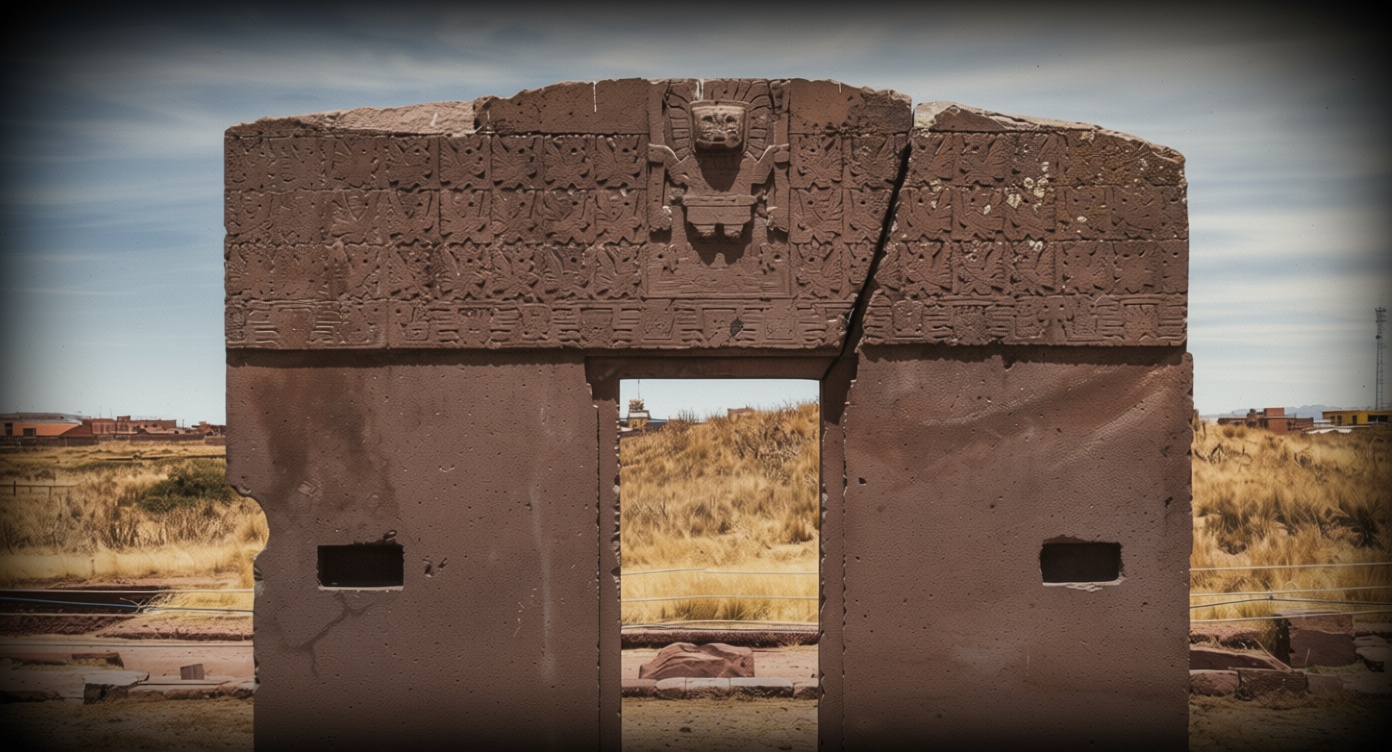
The symbolism of the objects adds another layer to the story. The puma is thought to have held special religious importance for the Tiwanaku, while a rayed-face motif found on two gold medallions appears to reference a central supernatural figure in Tiwanaku iconography, sometimes identified as Viracocha. Taken together, the artifacts indicate that offerings were likely intended to communicate with powerful deities in a structured religious system — a notable development for a civilization that predates the Inca expansion by roughly 500 years.
Researchers say the discoveries challenge older assumptions that formal ritual traditions in the Lake Titicaca region began with the Inca. Instead, the Tiwanaku may have established the area’s earliest known pattern of sacred offerings, laying cultural groundwork that later civilizations inherited and adapted. The underwater context is especially important because it shows how beliefs and ritual practice extended beyond monumental architecture on land and into the surrounding landscape and waterways.
A Civilization Still Coming Into Focus
Even with these discoveries, the Tiwanaku remain one of the Andes’ most mysterious civilizations. Archaeologists have long known the culture from its monumental ruins and scattered artifacts, but its political structure, social organization, and long-distance influence are still only partially understood. What is becoming clearer is that the Tiwanaku were not simply a precursor to the Incas, but a distinctive civilization with its own religious traditions and regional significance. As underwater archaeology continues to uncover new evidence, the story of the Tiwanaku is beginning to emerge in sharper detail — and it is proving to be older, smaller, and more influential than once believed.