Overview
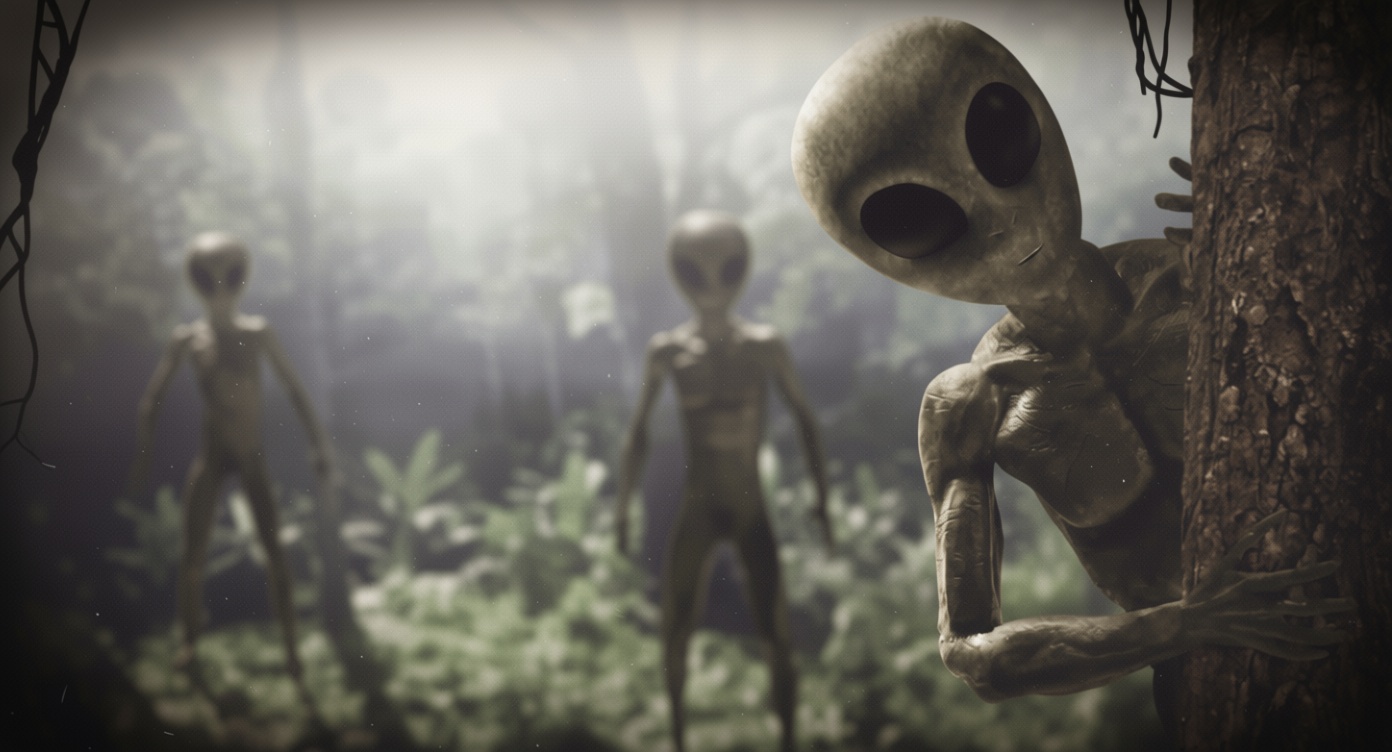
AOL has published a new trivia feature that taps into one of the internet’s most enduring curiosities: UFOs and conspiracy theories. Framed as a test for sharp-eyed readers, the quiz poses 18 questions spanning some of the best-known cases in popular culture, from Roswell and Area 51 to the Moon landing and alleged alien encounters. The piece leans into the long-running appeal of unexplained phenomena, presenting the subject not as hard news but as a playful pop-culture challenge for readers who enjoy testing how much they remember about mystery-driven lore.
What the Quiz Covers
The format is straightforward: readers are invited to see whether they can score a perfect 18/18 by answering questions tied to famous UFO incidents and conspiracy narratives. That means the quiz draws from a familiar cultural lineup — the New Mexico crash that became synonymous with modern UFO mythology, the Nevada military installation that has fueled speculation for decades, and the persistent controversy surrounding the Apollo Moon missions. By bundling these topics together, the article reflects how UFO stories have been absorbed into mainstream trivia, where documented history, speculation, and entertainment often overlap.
What stands out is the breadth of subject matter. The quiz is not limited to extraterrestrial claims alone; it also folds in broader conspiracy theory references that have shaped public fascination with secrecy, hidden government programs, and unexplained aerial phenomena. In that sense, the feature works as both a memory test and a snapshot of the cultural landscape surrounding UFOs. It suggests that these stories remain recognizable enough to anchor a quiz for general audiences, even as the facts behind them vary widely in credibility and historical context.
Why UFO Lore Still Resonates
The enduring appeal of UFO material lies in its flexibility. For some readers, it is a serious subject tied to questions of military transparency and unexplained sightings. For others, it is pure entertainment — a collection of stories that have become part of the shared language of mystery. AOL’s quiz is built squarely on that second impulse, using well-known references to invite participation rather than debate. Its premise underscores how deeply UFO lore has penetrated American popular culture, where even the most speculative claims can become familiar trivia.
The inclusion of the Moon landing alongside classic UFO cases also highlights a broader pattern: conspiracy narratives often share a common audience, with each new theory feeding a wider appetite for hidden explanations. That crossover helps explain why quizzes like this continue to perform well online. They offer readers a chance to engage with material that is already part of the cultural bloodstream, while still rewarding those who remember the details.
A Pop-Culture Test, Not a Proof
Ultimately, the AOL feature is less about proving anything than about measuring familiarity with a genre of modern folklore. By asking whether readers can identify 18 UFO and conspiracy theory questions correctly, it turns a subject steeped in uncertainty into a game of recognition and recall. For trivia fans, that may be the real appeal: not whether the mysteries have been solved, but whether the stories themselves have become iconic enough to know by heart.