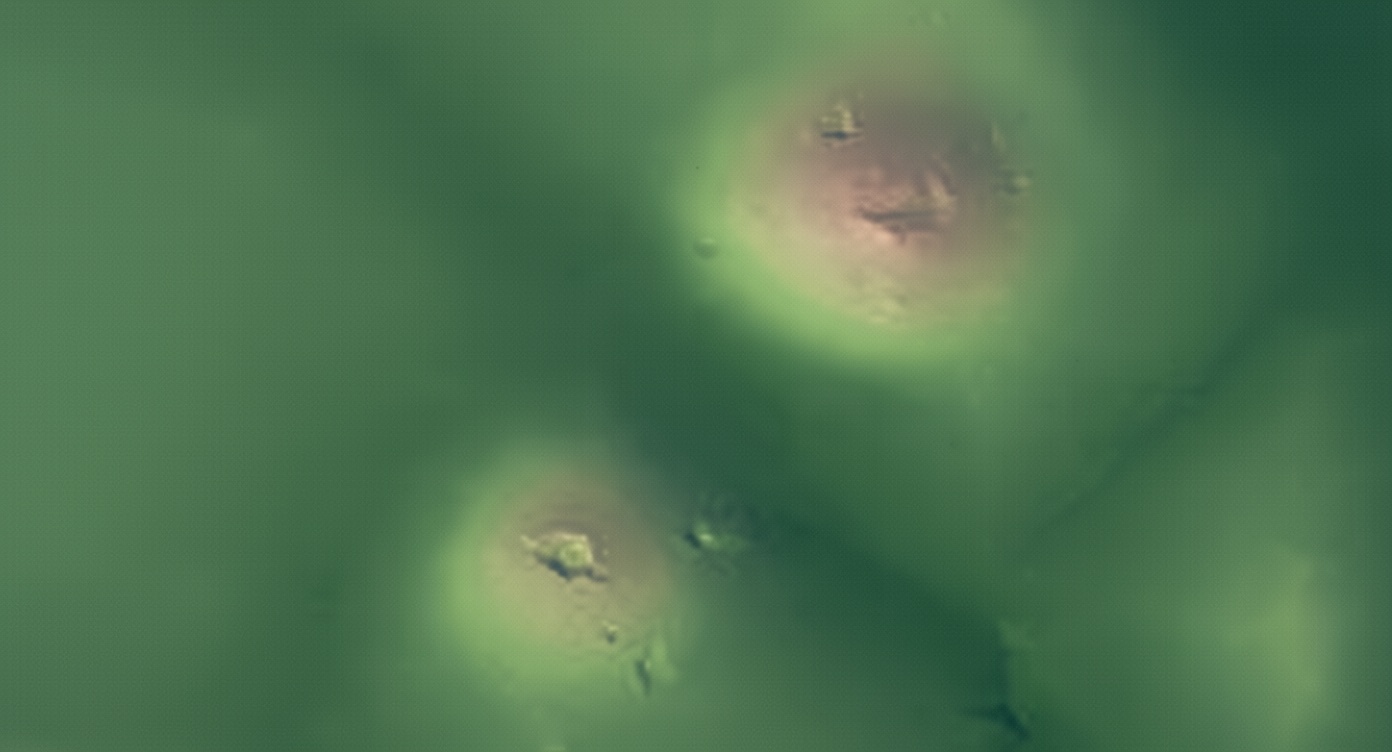
Ancient Earthworks in Louisiana
Archaeological mounds in Louisiana’s Deep South are drawing renewed attention because some appear to predate Egypt’s Great Pyramid by nearly a millennium. Among the most important sites is Watson Brake, an ancient earthwork complex in north-central Louisiana that archaeologists generally date to about 3500 B.C.
That date places Watson Brake well before the construction of the Great Pyramid of Giza, which was built for Pharaoh Khufu around 2560 B.C. The comparison highlights the age and sophistication of Indigenous engineering in North America, where prehistoric communities shaped large quantities of soil into organized monuments long before the rise of many better-known ancient civilizations.
A Complex Built by Prehistoric Communities
Watson Brake consists of several low earthen ridges and mounds arranged in a roughly oval formation. Archaeological research indicates that the site was built in stages rather than completed as a single project. Its construction would have required people to excavate, transport and pack soil repeatedly, likely using simple tools and labor organized across generations.
The builders appear to have been hunter-gatherer communities, rather than settled agricultural societies with large cities or centralized states. That fact has made the site especially significant to researchers. It challenges older assumptions that monumental construction could only occur after the development of farming, permanent settlements or hierarchical governments.
The mounds may have served several purposes, including ceremonial gatherings, social activities, seasonal occupation or the marking of an important landscape. However, their precise function remains uncertain. Archaeologists continue to study the layout, soil layers, artifacts and environmental evidence in an effort to determine how the site was used and why its builders invested such effort in its construction.
Construction Methods Remain Under Study
The exact techniques used to build the earthworks are also not fully known. The prehistoric inhabitants did not have wheeled vehicles, metal tools or draft animals, meaning that soil was probably moved with baskets, digging sticks and other organic implements that have largely disappeared.
Researchers can identify changes in soil color, composition and structure that reveal how the mounds were assembled, but these clues do not provide a complete record of the labor process. Seasonal flooding and the wet conditions of the region may have influenced both the location of the site and the way materials were gathered and compacted.
The continuing uncertainty has contributed to public fascination with Watson Brake and other ancient earthworks across the Southeast. Yet the available archaeological evidence points to human construction by organized prehistoric communities—not to an unexplained or technologically advanced outside force.
Broader Significance
Watson Brake is part of a much wider tradition of mound building in the eastern and southern United States. Later cultures constructed larger and more elaborate earthworks, including monumental centers such as Poverty Point in Louisiana and Cahokia near present-day St. Louis. These sites demonstrate that Indigenous societies developed varied forms of architecture, planning and communal organization over thousands of years.
The age of the Louisiana mounds also places them within a broader global history of early monument building. While Egypt’s pyramids are more visually imposing and better preserved, the Deep South earthworks show that monumental architecture emerged independently in different parts of the world.
Archaeologists emphasize that comparisons between the sites should be made carefully. The mounds in Louisiana were not pyramids in the Egyptian sense, and their social and religious purposes may have been entirely different. Their importance lies in what they reveal about the ingenuity and cooperation of North America’s earliest known monument builders. Further excavation and analysis may clarify their purpose, but no evidence currently supports paranormal or extraterrestrial explanations for their origin.