A Career Changed by a Classified Video
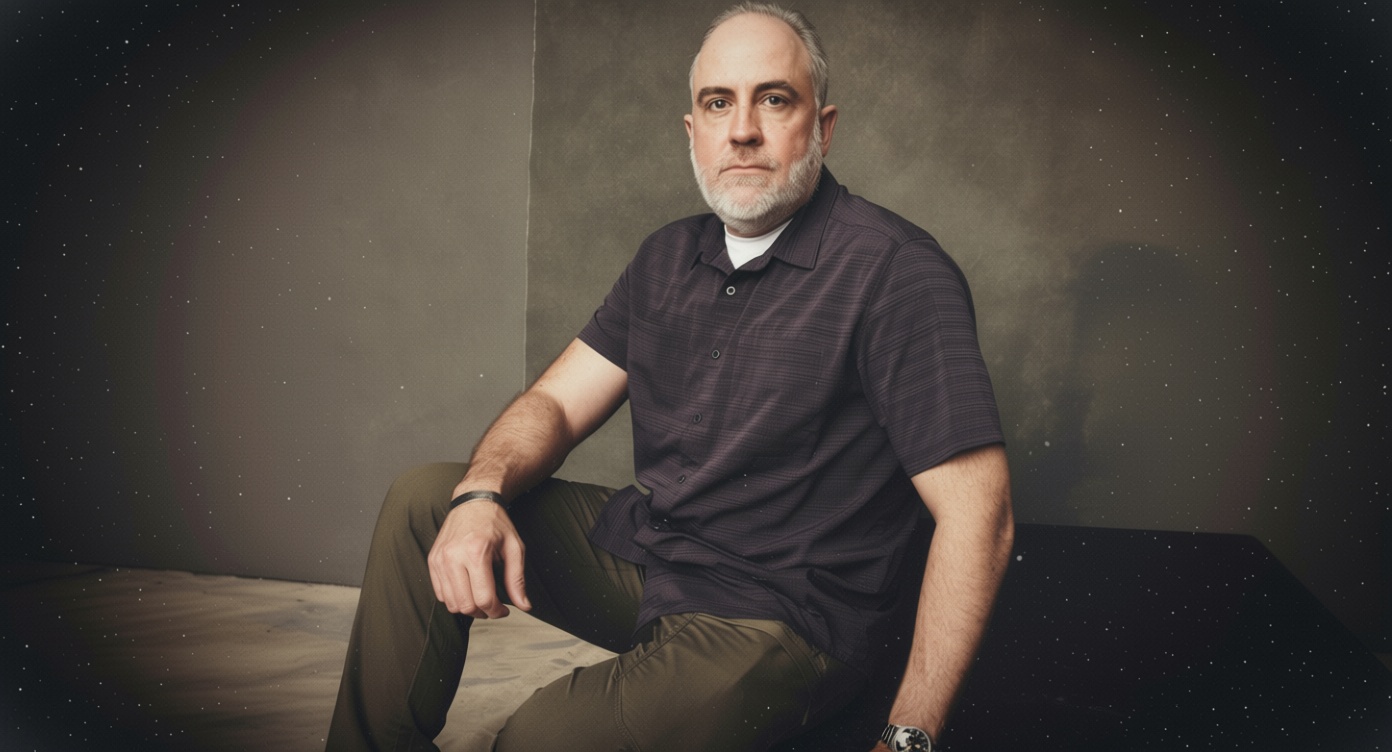
A new People magazine feature, “Confessions of the Pentagon’s UFO Hunter,” profiles Jay Stratton, a former senior U.S. defense official who spent years investigating reports now formally described as unidentified anomalous phenomena, or UAPs. The article is tied to Stratton’s memoir, Out of the Shadows, which is described as recounting his government work and personal experiences surrounding unexplained aerial sightings.
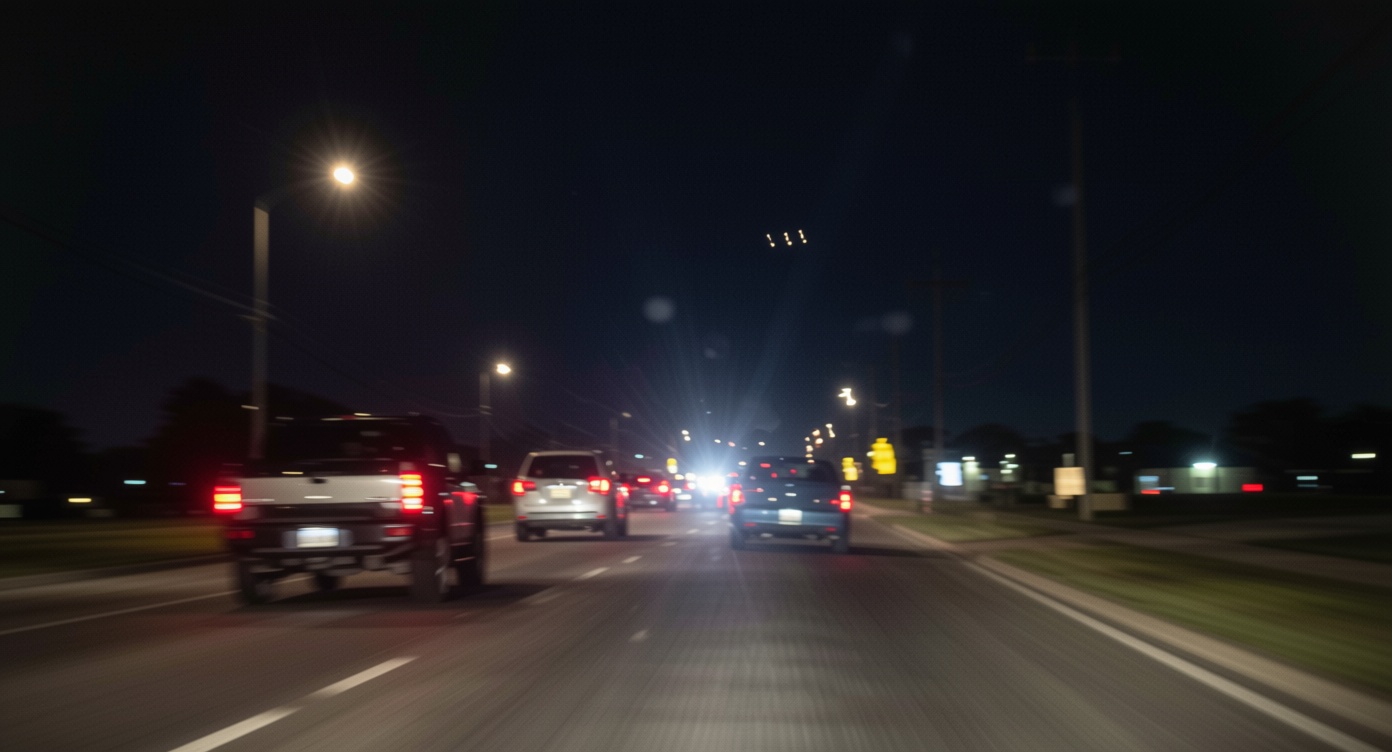
According to the excerpt, Stratton traces his interest in UAPs to an incident in 2005, when a colleague showed him classified video recorded near a U.S. nuclear missile facility. Stratton says the footage appeared to show a silent, black triangular object with orange, white and yellow lights at its corners. He further recalls that the object seemed to accelerate almost instantaneously before disappearing.
“I can literally still see that video in my head,” Stratton is quoted as saying. “That was the moment that changed my world.” The account is presented as Stratton’s recollection; the excerpt does not provide independent verification of the object’s identity, the video’s contents or the circumstances surrounding the event.
From Military Officer to UAP Task Force Director
Stratton joined the Army at age 17 after growing up in a working-class community in East Texas. He later rose through the defense and intelligence establishment, eventually serving as the Defense Intelligence Agency’s chief of air and space warfare, according to the article.
The feature says Stratton spent approximately 16 years investigating UAP reports before retiring from government service in 2022. In 2020, he became the first director of the Pentagon’s Unidentified Aerial Phenomena Task Force, an office created amid growing pressure from lawmakers and military personnel for greater transparency about unusual encounters reported by service members.
The task force emerged during a broader shift in official language and policy. For decades, military and intelligence agencies often treated UFO reports as fringe or reputationally sensitive subjects. In more recent years, however, Congress and the Defense Department have encouraged the collection and review of reports involving objects that could pose risks to national security or aviation safety. The existence of an unexplained observation does not, by itself, establish an extraterrestrial origin.
Personal Experiences and Unresolved Claims
The article also describes what Stratton says were unusual incidents involving his family beginning around 2010. The excerpt refers to repeated phenomena near the family home and says relatives suspected that the sudden cancer-related death of their dog, Ze’eva, might have been connected to exposure to UAPs.
Those claims are highly personal and remain unsubstantiated in the material provided. No medical evidence, investigative findings or independent testimony is included to link the animal’s illness to an aerial phenomenon. The feature’s excerpt ends while describing the family’s experiences, so it does not establish the full scope of Stratton’s allegations or explain how he evaluated them.
A Senior Official Speaking Publicly
Stratton says he decided to publish his memoir because he felt an obligation to describe his role in the government’s UAP investigations. “I felt a responsibility,” he says, “to tell this story.” His public account is notable because he is portrayed as one of the highest-ranking former U.S. officials to discuss his own involvement in the subject.
At the same time, the available material offers no conclusive evidence that any investigated object was alien or extraterrestrial. It documents Stratton’s recollections, career and stated motivations, while leaving many questions open about the underlying cases. Further assessment would require access to the original recordings, official reports, sensor data and corroborating witnesses—none of which are provided in the excerpt from People.