Overview
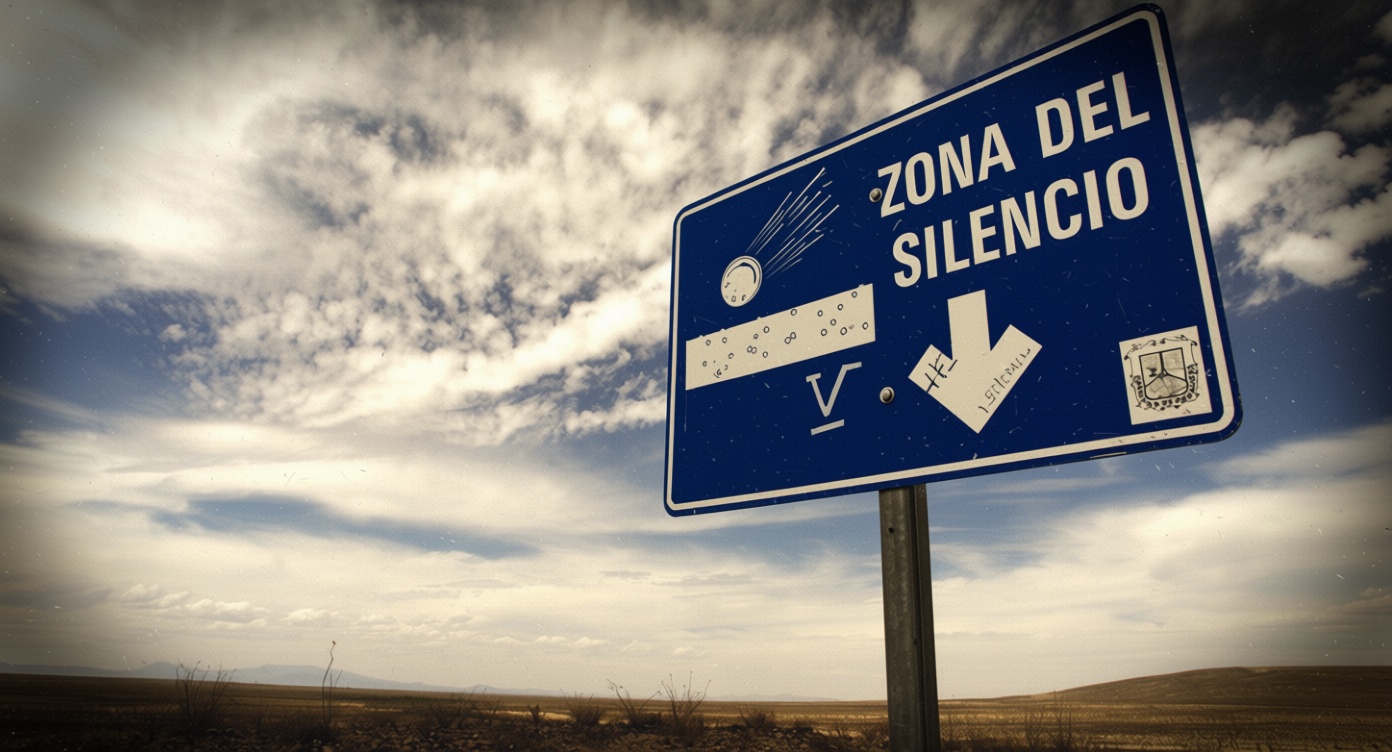
Deep in Mexico’s northern Chihuahuan Desert, the Mapimí Zone of Silence has become associated with tales of vanished radio signals, strange lights, mutated animals and extraterrestrial activity. A recent Science Focus article revisits the area’s reputation and concludes that its mythology appears to be far more dramatic than the available scientific evidence. Although the region continues to attract tourists interested in unexplained phenomena, researchers working there say they have found no evidence that it is a communications dead zone or a site of alien activity.
The area’s legend took shape in the 1970s, following the crash of a United States Air Force rocket in the desert. The incident reportedly prompted a major clean-up operation, helping to establish the site in the public imagination as a place of unusual scientific and military interest. Stories later circulated that magnetic anomalies in the ground or atmosphere had interfered with the rocket and disrupted radio signals, giving the region its name.
How the Myth Developed
According to the article, the claims surrounding the Zone of Silence were amplified by local efforts to attract visitors and tourism revenue. Reports of communication failures were joined by accounts of unexplained lights in the sky, unusual vegetation, deformed wildlife and alleged sightings of alien beings. Over time, these stories combined with the rocket crash to create a durable folklore surrounding the remote desert.
The account presents the tourism explanation as more plausible than the idea of a naturally occurring electromagnetic barrier. There is no supporting evidence in the supplied material for a magnetic anomaly capable of causing the reported effects, and the article does not identify any verified incidents involving widespread radio or other communications failures. Instead, the Zone of Silence appears to be a case in which a real event was surrounded by increasingly extraordinary claims.
A Reserve With Genuine Scientific Interest
The supposed zone lies within the Mapimí Biosphere Reserve, which was established as a biological research station several years after the rocket incident. Its creation contributed to the area’s mysterious reputation, particularly among visitors who interpreted the presence of scientists and restricted desert terrain as evidence of an extraterrestrial connection.
The reserve’s documented importance, however, is biological rather than cosmic. It supports approximately 200 bird species, more than 400 plant species and 36 reptile species. This biodiversity reflects the ecological significance of the Chihuahuan Desert, one of North America’s major arid regions, where organisms have adapted to extreme heat, limited water and highly variable environmental conditions.
Mutated Animals or Unusual Biodiversity?
Reports of “mutated” plants and animals may be linked to the reserve’s distinctive wildlife rather than to radiation, alien experimentation or other extraordinary causes. Species living in isolated desert environments can display unusual colors, shapes or survival adaptations that may appear abnormal to untrained observers. The supplied article says researchers at the site have not encountered the alleged communication problems and believe the stories about mutated animals likely reflect misunderstandings of the region’s unique biodiversity.
The Zone of Silence therefore remains culturally mysterious, but the evidence described by Science Focus points toward a more conventional explanation: a remote desert landscape, a memorable rocket accident and legends encouraged by tourism. While reports of lights or unusual wildlife may continue to draw visitors, no verified evidence presented in the source links Mapimí to extraterrestrial activity. Its strongest scientific claim is the one documented by researchers—its value as a habitat and field site within Mexico’s protected desert ecosystem.