Overview
A recent Charisma Magazine opinion piece argues that the wave of UAP-related hearings and whistleblower claims in Washington may be doing more than reviving interest in unidentified aerial phenomena — it may also be fueling a deeper conversation among some Christians about spiritual deception. The article, published under the headline “Is Government Spearheading End Times Deception with UFO’s?”, links public disclosures about unexplained craft and alleged recovered materials to concerns that the UFO narrative could intersect with biblical end-times themes. While the piece does not attempt to prove that such a deception is underway, it presents the issue as one that warrants discernment, prayer, and caution from believers.
What the article highlights
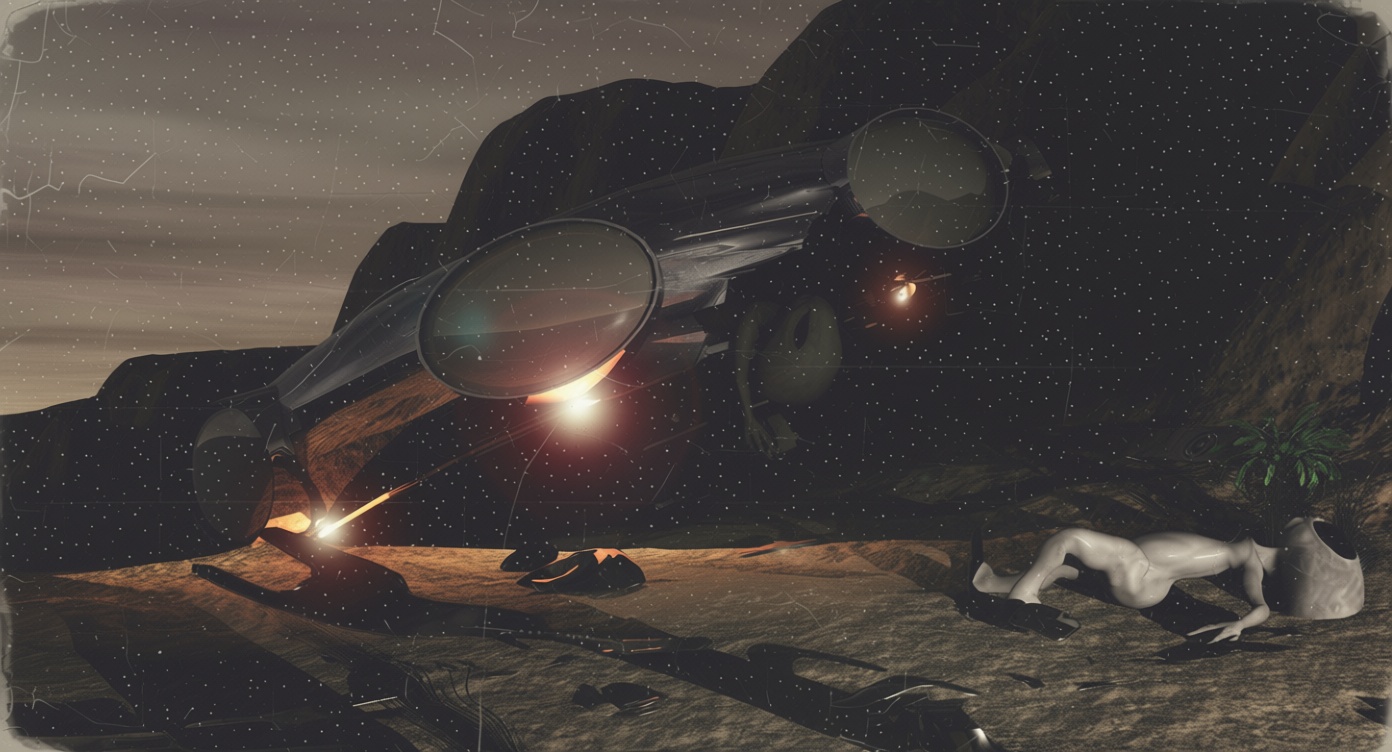
The article draws attention to the renewed visibility of UAP claims in recent congressional hearings, where whistleblowers and former officials have spoken about unexplained craft, recovered materials, and even non-human biologics. Those allegations have helped propel the subject from fringe curiosity into a mainstream policy and media conversation. The piece treats these developments as evidence that the public is being prepared for a broader disclosure environment, one that could reshape how Americans understand the origin and nature of the phenomenon.
At the same time, the article’s framing goes beyond the usual political or scientific debate. Rather than focusing only on what the government may know, it suggests that the timing and tone of UFO discussions may carry a spiritual dimension. In this interpretation, the issue is not simply whether advanced technology or non-human intelligence exists, but whether the public could be primed to accept a narrative that ultimately misleads people about reality, authority, and truth.
A spiritual lens on a public mystery
The article’s central argument is rooted in a Christian worldview that sees the end times as a period in which deception could intensify. From that perspective, UFO disclosures are not neutral developments; they may be part of a larger contest over belief and interpretation. The piece urges readers to look at the subject through the lens of Scripture and to resist what it portrays as premature certainty in either direction — skepticism without reflection on one side, and credulity without discernment on the other.
That approach reflects a wider trend among some religious commentators who view modern UAP reporting as more than a defense or science issue. For them, the question is whether humanity is being conditioned to reinterpret long-held assumptions about creation, life beyond Earth, and the supernatural. The article does not claim to settle those questions, but it does insist that spiritual vigilance is necessary as the public conversation grows.
Why the message resonates
The piece taps into a cultural moment in which official statements, whistleblower testimony, and unresolved sightings have created a rare mix of intrigue and uncertainty. As lawmakers press for transparency and journalists continue to report on UAP developments, the absence of definitive answers leaves room for competing interpretations. For faith-based readers, that uncertainty can reinforce the idea that discernment matters as much as disclosure.
Ultimately, the article’s message is less about proving a specific theory than about shaping a response to it. It calls on believers to pray, remain grounded, and trust in God’s truth rather than the shifting narratives surrounding unidentified phenomena. In doing so, it positions the UFO debate not only as a matter of national interest, but also as a test of spiritual judgment in an era of growing public fascination with the unknown.