Overview
A fresh round of online UFO speculation is putting Hillary Clinton back at the center of long-running claims that a U.S. president could have disclosed evidence of alien life. But the article behind the latest discussion says there is no evidence Clinton ever planned to announce extraterrestrial existence if she had won the 2016 election. Instead, the piece frames the rumor as part of a broader pattern in which campaign-era comments about transparency, government records and unidentified aerial phenomena are repeatedly recast into larger theories than the record supports.
What the article says
The claim in circulation is straightforward: that Clinton, had she defeated Donald Trump in 2016, was prepared to reveal proof of alien life. The article rejects that interpretation, indicating that the available evidence does not show any concrete plan to make such a declaration. That distinction matters because Clinton has, over the years, acknowledged interest in UFO-related files and openness to reviewing classified material, but that is not the same as confirming an intention to announce the existence of extraterrestrials. In other words, the article argues that the leap from transparency talk to alien disclosure is unsupported by verified facts.
The source also places the rumor in the context of Clinton’s broader public remarks. As a presidential candidate, she attracted attention for saying she would push for more openness around government records if elected, including the possibility of revisiting files related to UFO sightings. Those comments were enough to fuel a durable myth in some corners of the internet, where campaign rhetoric and speculative interpretations are often blended into a single narrative. The article’s central point is that this is a classic example of inference outrunning evidence.
Why the rumor persists
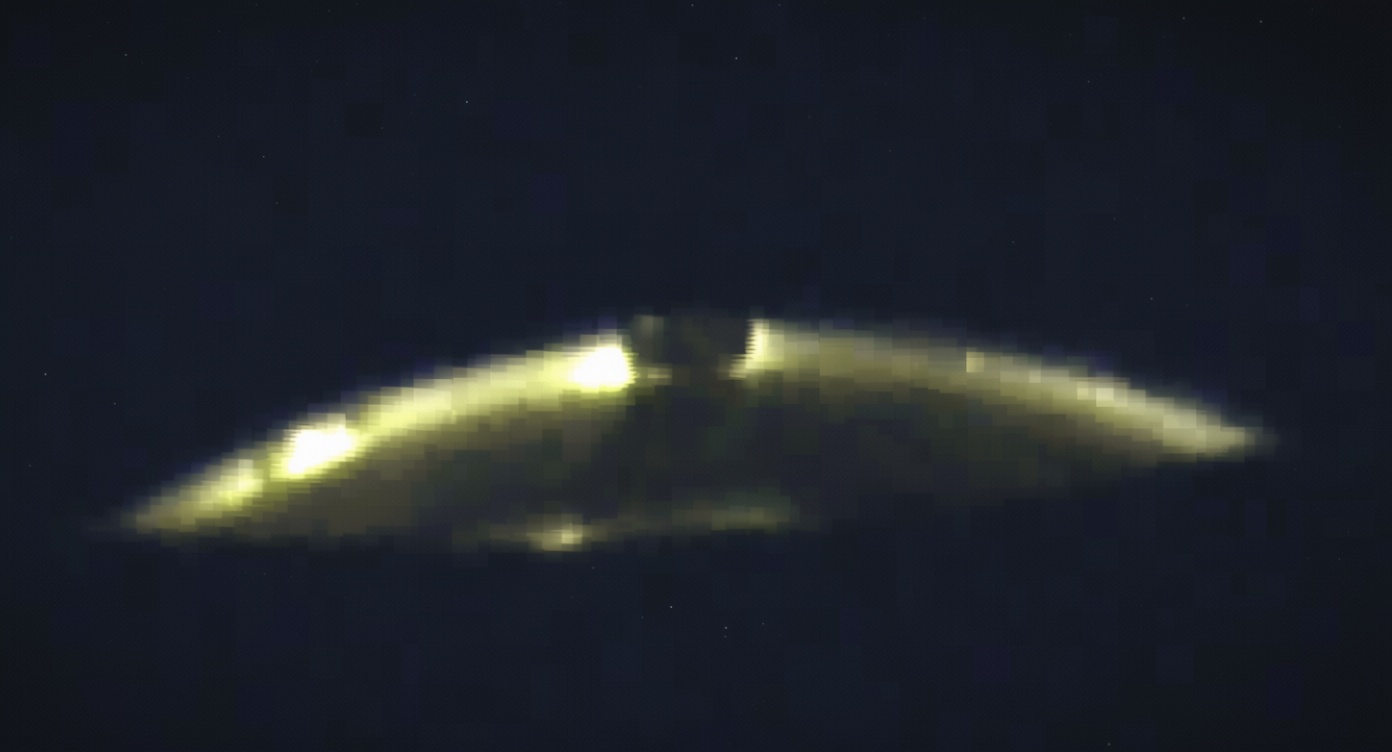
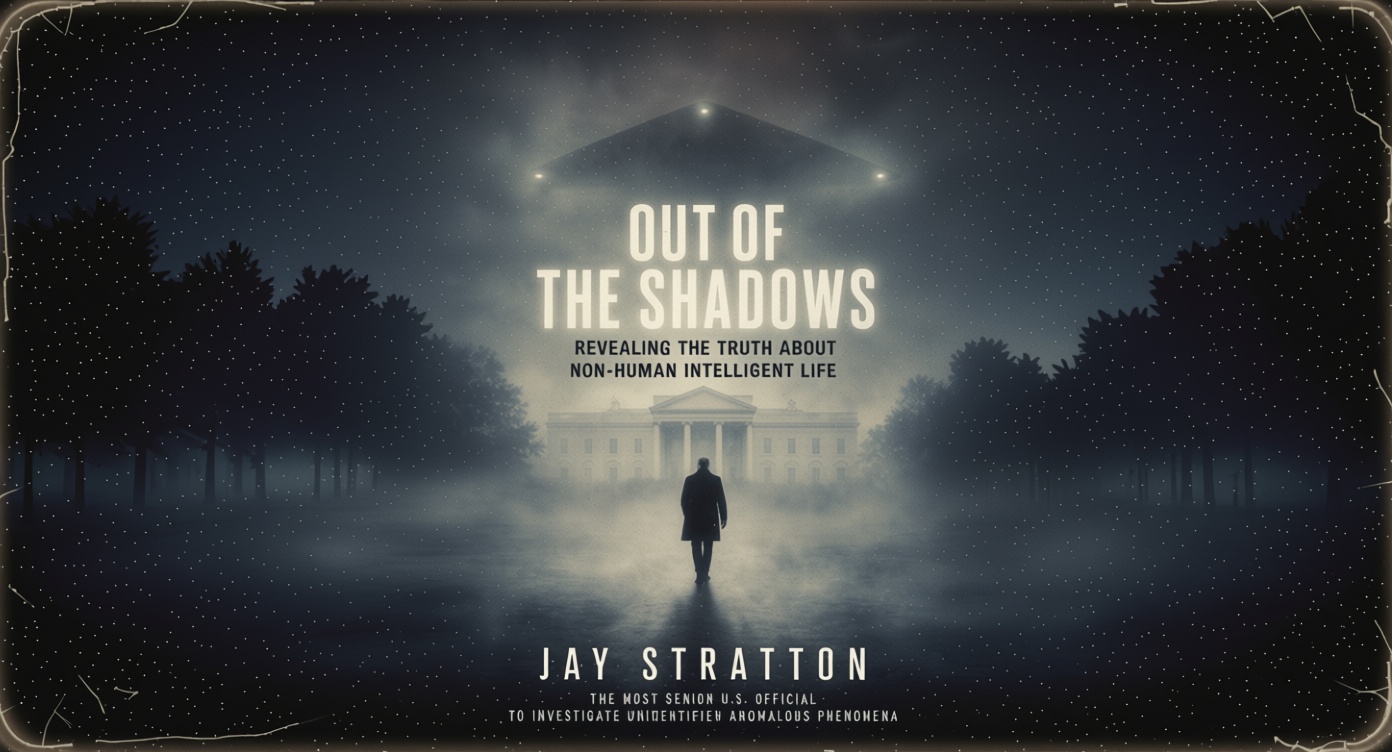
The persistence of the story reflects the wider culture around UAP, where a lack of definitive answers often creates room for imagination, conjecture and conspiracy thinking. In recent years, the disclosure debate has intensified as former officials, researchers and activists have pressed for greater government transparency on unexplained sightings. That renewed attention has also brought new allegations involving prominent UAP figures, which some readers interpret as proof that something major is being concealed. Critics, however, argue that many of these claims remain unverified, and that public discussion frequently relies on insinuation rather than documentation.
The article appears to push back against that dynamic by emphasizing the difference between legitimate questions about transparency and unsupported conclusions about alien life. It suggests that while the UAP issue has become more serious in political and national-security circles, the leap from “unidentified” to “extraterrestrial” is still not justified by the evidence presented. For journalists and readers alike, that is an important line to keep intact: mystery is not the same as confirmation.
Broader significance
The renewed attention to Clinton’s supposed intentions underscores how easily unresolved questions about government secrecy can merge with popular UFO lore. As debate over UAP transparency continues, rumors are likely to keep resurfacing, especially when new allegations or congressional hearings make headlines. But the article’s bottom line is clear: there is no substantiated evidence that Clinton planned to disclose alien life before the 2016 election, and the story survives more as a piece of political mythology than a documented historical fact.