Overview
A three-volume audio program titled “Ask Mystery Lecture Series - 3 Volumes (Audio)” brings together discussions of several of the most widely reported incidents in UFO and UAP history, including the 1947 Roswell episode, the 1997 Phoenix Lights sightings and more recent encounters reported by U.S. Navy personnel. The program is credited to Jessica Dodd and is listed as a podcast episode on Spotify.
The available Spotify page provides limited information about the content itself. It identifies the program as an audio lecture series and displays an episode length of approximately 20 seconds, suggesting that the listing may function primarily as a promotional or distribution entry rather than a complete recording of the lectures. Its description consists largely of a third-party download prompt, with no transcript, speaker biography, publication date or detailed outline of the three volumes.
Cases Examined
The cases named in connection with the series span several decades and illustrate how reports of unexplained aerial phenomena have changed over time. The Roswell incident, reported in New Mexico in July 1947, began with the recovery of military debris near Roswell Army Air Field. The U.S. government initially described the material as coming from a “flying disc,” before identifying it as a weather balloon. Decades later, official accounts connected the debris to Project Mogul, a classified effort to monitor Soviet nuclear testing. The competing explanations have helped make Roswell one of the most enduring cases in UFO culture.
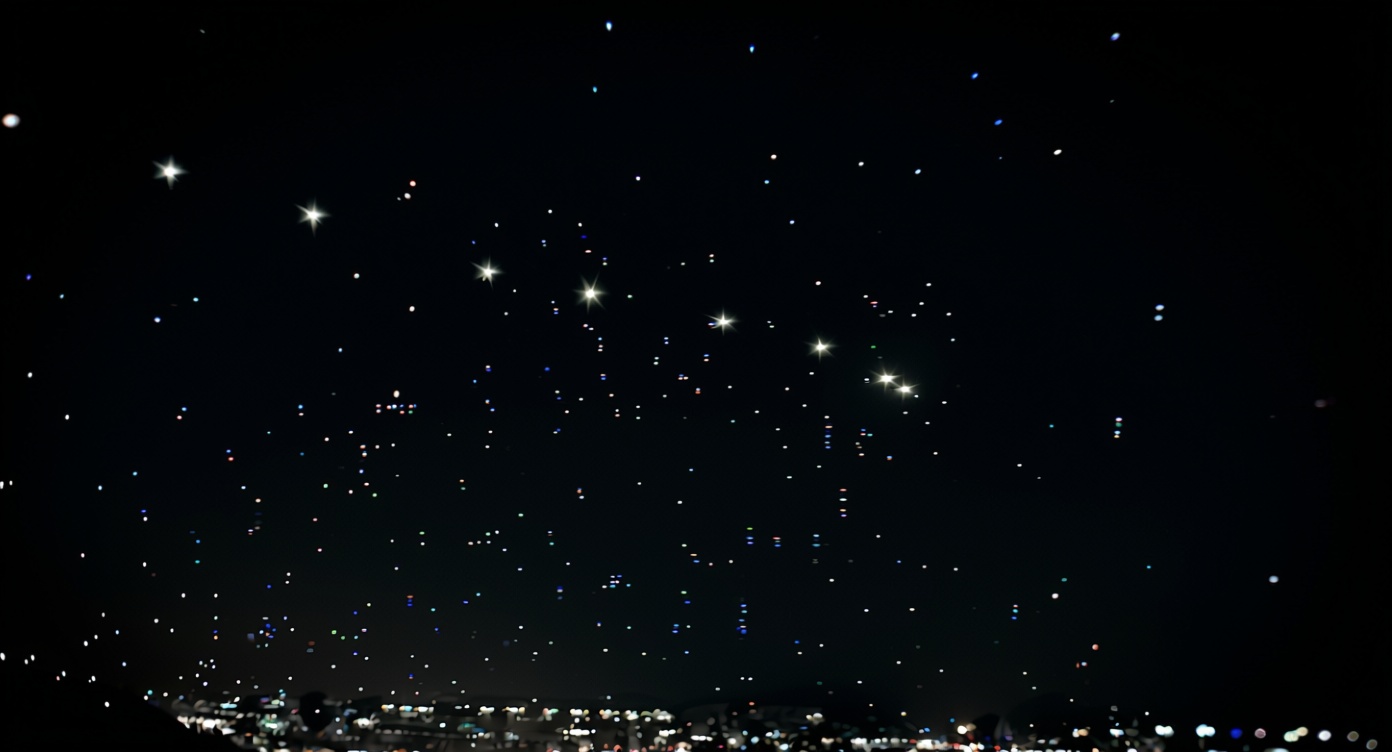
The Phoenix Lights refer to a series of observations made across Arizona on March 13, 1997. Witnesses described lights arranged in a formation moving across the night sky, while some reported seeing a large, silent object. Military officials said flares released during a training exercise accounted for at least some of the later lights. However, questions about the timing, geography and differing witness accounts have kept the event in public discussion.
The series also reportedly addresses U.S. Navy encounters, a category that gained renewed attention after video recordings of unusual objects were made public. In 2020, the Department of Defense formally released three Navy videos that had circulated for years, confirming that the footage was genuine military material while emphasizing that the objects’ identities remained unresolved. Authentic footage, however, does not by itself establish an extraterrestrial explanation; sensor limitations, viewing angles, classified technology and incomplete data can all affect interpretation.
Analytical Challenges
Taken together, the cases demonstrate why UAP investigations are difficult. Evidence may include eyewitness testimony, photographs, radar data, infrared imagery and official records, but those sources can conflict or remain incomplete. A responsible analysis must distinguish between what was observed, what has been documented and what remains speculative. It must also account for ordinary explanations—including aircraft, balloons, flares, atmospheric effects and perceptual errors—before considering more extraordinary possibilities.
The Spotify listing does not provide enough information to assess the lectures’ methodology or conclusions. Listeners should therefore treat the program as an introduction to disputed cases rather than as independently verified evidence. The page directs users to a separate download link, and the supplied source does not identify the publisher, editorial standards or supporting documentation. Those limitations make independent comparison with government records, contemporary reporting and original witness accounts especially important.