Overview
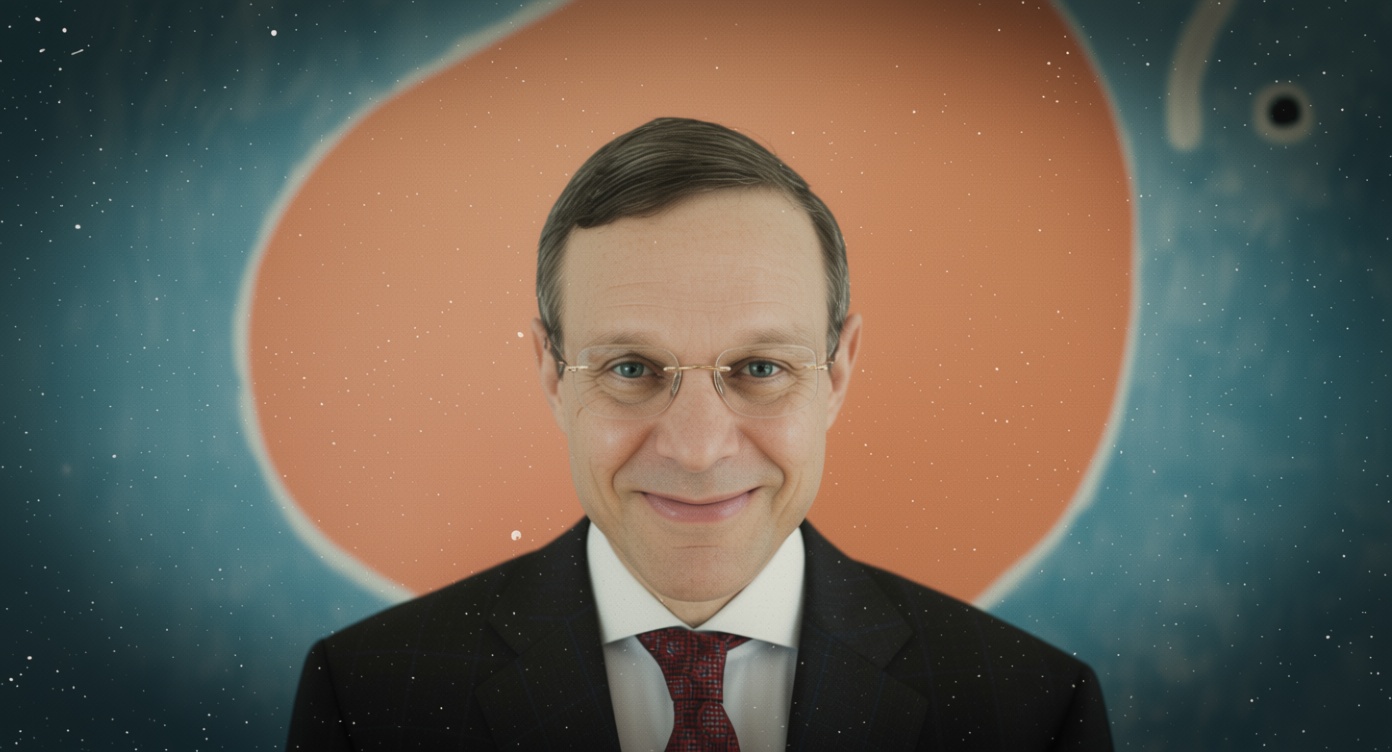
The Houston Astros are set to welcome a very different kind of guest to Minute Maid Park on Monday: Abraham “Avi” Loeb, the Harvard astrophysicist whose high-profile work on unidentified anomalous phenomena, or UAP, has made him one of the most visible and polarizing figures in the field. Loeb will throw the ceremonial first pitch as the Astros open a three-game series against the Toronto Blue Jays, highlighting how UFO-related research has increasingly moved from the fringe into mainstream public conversation.
For the Astros, the moment comes during an unexpectedly strong stretch. Just two months ago, Houston was 11 games under .500 and facing questions from fans and analysts about whether the club should rebuild. Instead, the team has climbed back to the top of its division and entered August with postseason ambitions. The ceremonial appearance by Loeb adds an unusual layer of publicity to a team already riding an unlikely surge.
Who Avi Loeb Is
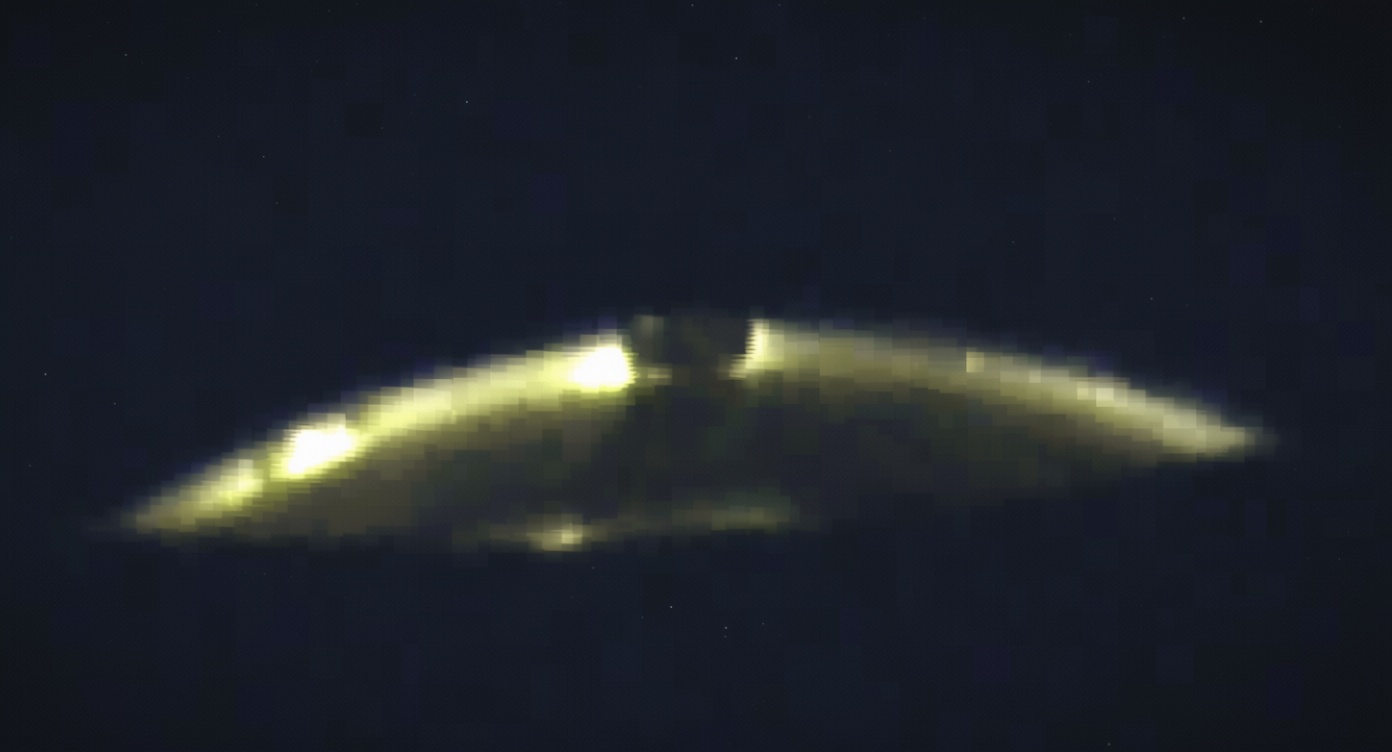
Loeb is best known as a cosmologist and former head of Harvard’s astronomy department, a scientist whose work on black holes and cosmic phenomena earned him academic credibility long before he became associated with UFO research. In recent years, however, he has become a central figure in debates over whether some unexplained sightings could represent technology from beyond Earth. The source describes him as leading a scientific advisory council tied to the Trump administration’s push to declassify more information on UAP, a term used to describe objects seen in air, space, or underwater.
Speaking ahead of the appearance, Loeb leaned into the baseball moment with a playful remark: “As of now, I am an ASTROS-physicist,” he said. “It is my greatest honor ever to represent Space City. I will keep the memory etched in my mind if I ever venture into outer space.” The comment underscored his willingness to blend serious scientific argument with public-facing advocacy, a hallmark of his recent work.
A Controversial Scientific Approach
Loeb has drawn both attention and criticism for his theories, especially his interpretation of “Oumuamua,” the interstellar object that passed through the solar system in 2017. He argued that its unusual movement and speed could suggest it was a “light sail” possibly created by alien technology, a claim that generated international headlines. Many astronomers rejected that explanation, saying the object’s behavior could be accounted for by more conventional causes such as ice or compressed gas.
His critics also argue that he has a habit of bypassing the normal scientific process. Rather than relying solely on peer-reviewed publication, they say, Loeb often brings his ideas directly to the public, accelerating debate but also inviting skepticism. The result has been a sharp divide: he is celebrated in UFO and UAP circles as a bold investigator, while many in academia view his conclusions as speculative and methodologically unsound.
Broader Significance
The Astros’ invitation to Loeb reflects a broader cultural shift: UAP are no longer treated only as a fringe obsession, but as a topic serious enough to attract government attention, scientific debate, and major-media coverage. At the same time, Loeb remains a contentious symbol of that shift, with some praising his openness to unconventional possibilities and others warning that his prominence could blur the line between inquiry and speculation.
As the first pitch approaches, the event is likely to draw as much curiosity about Loeb’s ideas as it does about the game itself. For Houston, it is another reminder that in 2026, even a baseball night can become part of the larger national conversation about what lies beyond the atmosphere.