Overview
Avi Loeb is proposing a new observatory concept he says could help move the study of unidentified anomalous phenomena (UAP) from anecdote toward measurable data. In a recent Medium post, the Harvard astronomer argued that the most puzzling objects in the newly declassified UAP material are orbs — glowing, meter-scale entities that appear in a range of sensor and witness reports but have largely resisted definitive explanation. Loeb says the central problem is not a lack of curiosity, but a lack of tools built specifically to capture these objects with enough fidelity to determine what they are.
Why the Orb Cases Stand Out
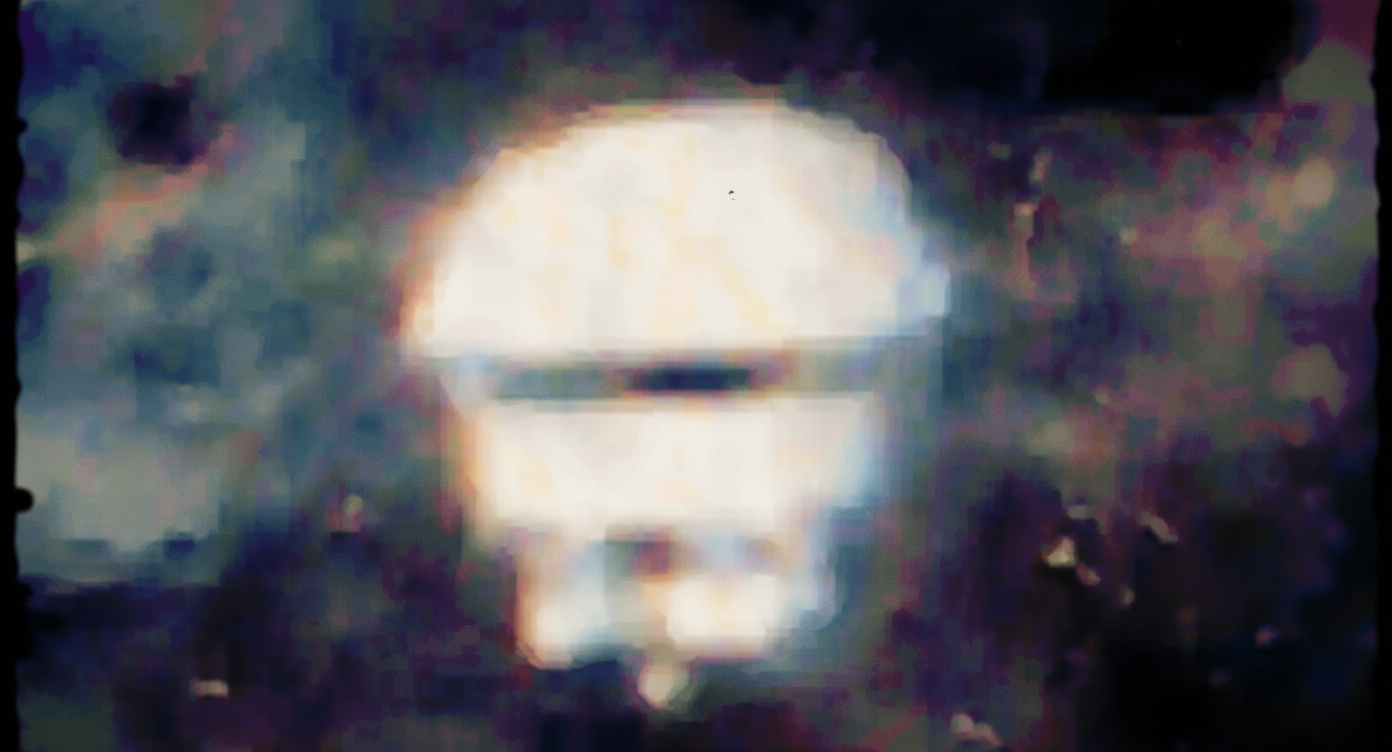
Loeb points to five tranches of data declassified over the past four months through the Presidential Unsealing and Reporting System for UAP Encounters (PURSUE) as the basis for his assessment. Among the examples he cites are a 2025 account from a senior intelligence officer who was left “virtually speechless” after observing orange orbs for an hour, and a helicopter encounter described as “a series of close UAP encounters lasting over an hour.” The same tranche also includes larger orange objects with a white or yellow center, an infrared image of a hovering black sphere, and a report of an orb swarm over the Gulf of Oman moving at speeds Loeb places in the Mach 0.3 to 1.7 range.
He stresses that not all UAP fit the orb category. The material he references also includes a triangular object tracked by radar in a 1965 CIA memo and associated with a USS Gyatt radar report near Puerto Rico. But Loeb’s focus is on the orb cases because many of them rely on infrared footage, electro-optical recordings, or eyewitness testimony rather than independent radar confirmation. That, he argues, leaves unresolved questions about size, speed, structure, and behavior.
The Observatory Concept
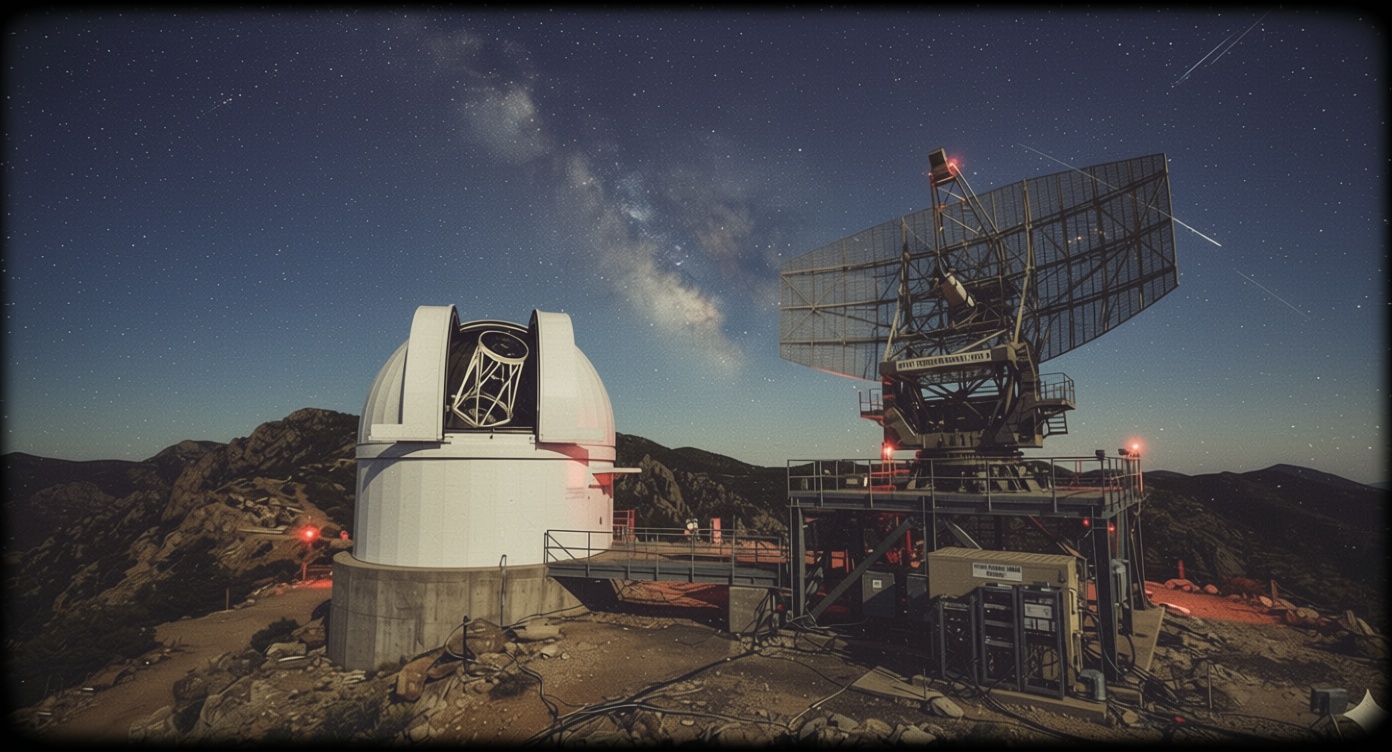
To address that gap, Loeb proposes a UAP Orb Observatory built around two core components: a radar system to detect objects of interest in the sky, and a meter-scale telescope capable of resolving them at roughly arcsecond-level angular resolution. In practical terms, he says that level of sharpness could reveal details on the scale of centimeters at a distance of two kilometers — enough, in theory, to distinguish shape, surface features, or emissions that might otherwise remain ambiguous.
Loeb suggests commercially available hardware could make such an observatory feasible. He cites the CDK1000, a meter-diameter telescope system, as one example of a suitable platform. He also argues that the dome and optics could slew quickly enough to keep up with fast-moving targets, including objects moving at around Mach 0.1, provided they are far enough away. The goal, he says, is to build a system that can transition from a radar detection to a high-resolution optical image in real time.
What It Could Mean for UAP Research
The broader significance of Loeb’s proposal is methodological. Rather than relying on fragmentary videos or retrospective testimony, he is calling for a purpose-built observatory that can generate repeatable, high-quality observations of anomalous objects. That approach would not settle the debate over what UAP orbs are by itself, but it could help establish whether they are drones, atmospheric phenomena, sensor artifacts, or something genuinely unusual.
For Loeb, the promise of the observatory is that it could help AARO and the Office of the Director of National Intelligence (ODNI) do what he says their mission requires: resolve the cases that remain unexplained. In that sense, the proposal is less about proving a particular theory than about creating the conditions for better evidence. Whether the concept gains traction may depend on funding, institutional interest, and whether the government or private sector sees enough value in a dedicated UAP imaging system to build one.