Overview
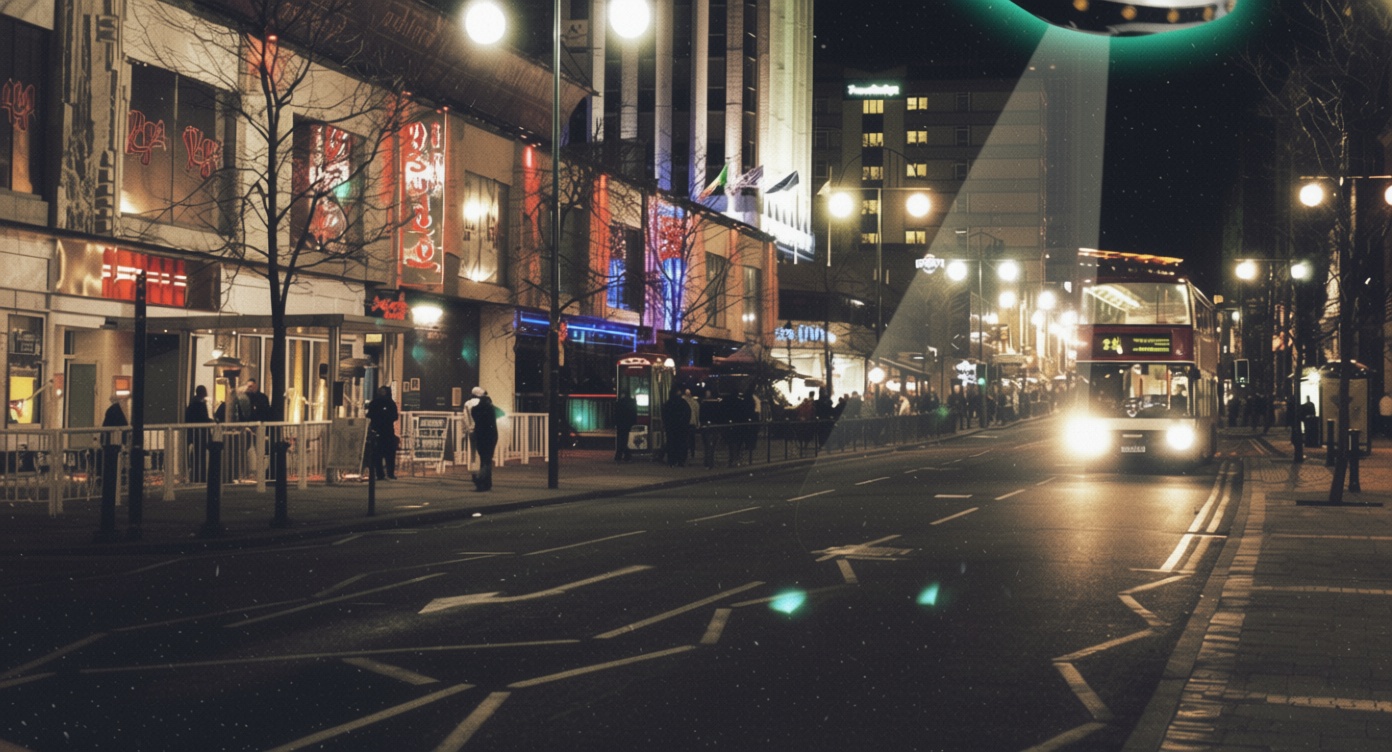
Birmingham’s reputation as a UFO hotspot may surprise some, but the city and its surrounding hills have accumulated a long record of reported unidentified flying object — now more often called unidentified anomalous phenomena (UAP) — sightings stretching back more than 60 years. According to West Midlands Police records, there were 51 reported sightings between 2015 and 2024 alone, underscoring that the subject remains active in local public curiosity even in the modern era. While none of the reports prove extraterrestrial activity, the combination of official logs, declassified government files and persistent local folklore has kept the mystery alive.
Barr Beacon and the case for wide horizons
Among the areas most associated with strange lights is Barr Beacon Local Nature Reserve, one of the highest points in the West Midlands. Its elevated position and 360-degree views make it a natural gathering place for stargazers, amateur astronomers and those hoping to spot something unusual in the night sky. The site is also recognised as a Dark Sky Discovery location, meaning it offers clear viewing away from the urban glow that can obscure celestial activity. Barr Beacon appears in declassified Ministry of Defence files tied to a January 1975 incident in which multiple witnesses reported bright, fast-moving formations across the horizon. The MoD later attributed the lights to re-entering Soviet satellite debris, though the event remains part of Birmingham’s wider UFO folklore. Similar reports of high-speed lights and “orbs” have also been recorded from nearby high ground in Harborne and Walsall.
Lickey Hills and the south-west skyline
To the south of the city, Lickey Hills Country Park has also become a regular reference point in local UFO discussions. At Beacon Hill, which rises to nearly 300 metres above sea level, observers have long used the site to scan the southern and western skies over Birmingham and the wider Black Country. The area gained attention during what local researchers described as a late-1990s surge in West Midlands UFO reports, when residents and police officers alike said they saw strange lights moving low over the ridgelines. Amateur astronomy and skywatching groups have repeatedly cited the summit as a place where stationary lights were seen hovering over the city before accelerating away at unusual speed.
Clent Hills, Cannock Chase and the wider regional pattern
Just southwest of Birmingham, the Clent Hills are frequently mentioned in local accounts thanks to their broad sightlines and lower light pollution compared with the city centre. Declassified government files covering Worcestershire and surrounding areas have added to the hill range’s reputation as a place where unexplained aerial activity has been logged over the years. Beyond Birmingham itself, Cannock Chase remains one of the Midlands’ most famous locations for paranormal and UFO claims, often drawing comparison with the region’s better-known hilltop viewing spots. Taken together, these areas suggest a pattern: elevated, dark-sky locations tend to generate the clearest — and most persistent — reports.
A story shaped by evidence and belief
What makes Birmingham’s UFO history notable is not any single dramatic encounter, but the sheer continuity of sightings across decades and across different kinds of sources. Police reports, MoD archives and local testimony have all contributed to the city’s unusual reputation. Yet the record also shows how easily atmospheric phenomena, satellites, aircraft and human expectation can blur together under the right conditions. For believers, the hills above Birmingham remain watching points for something unknown; for sceptics, they are simply places where the sky is easiest to misread. Either way, the reports continue.