Overview
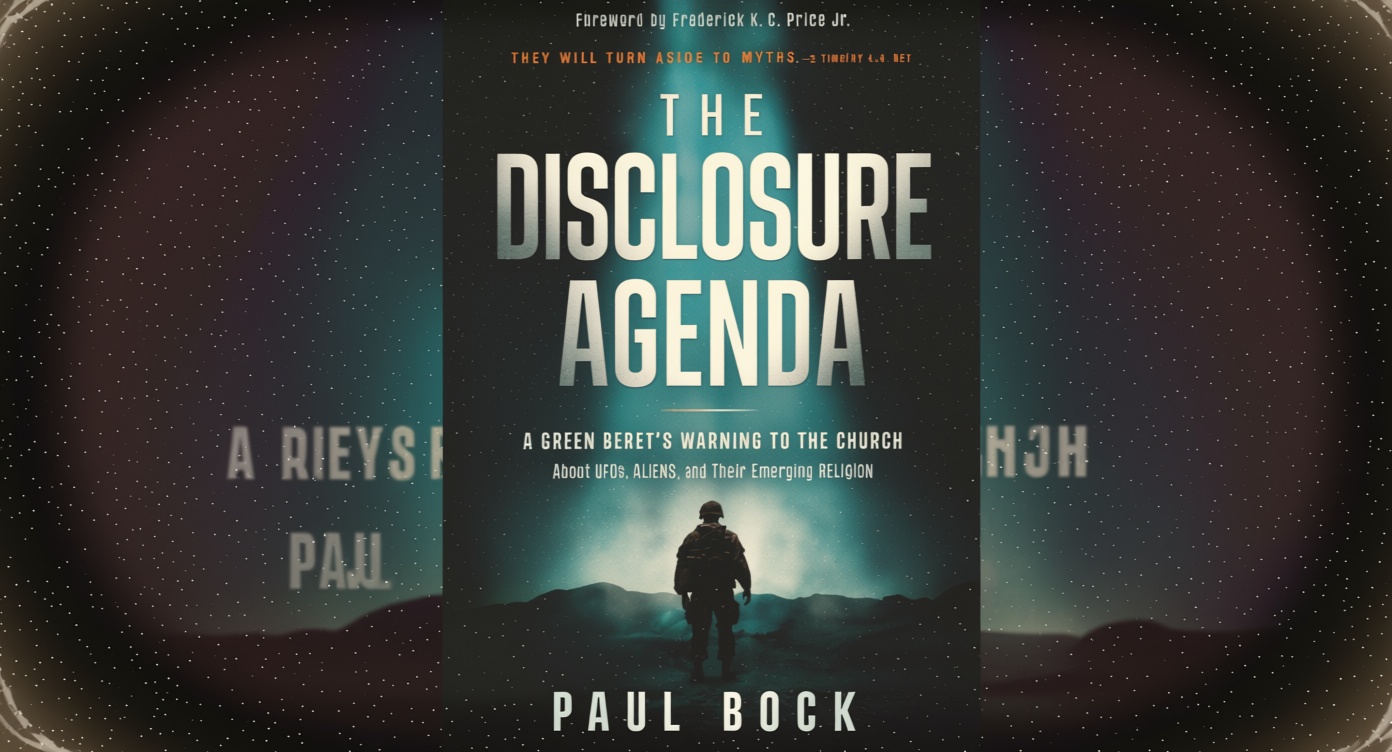
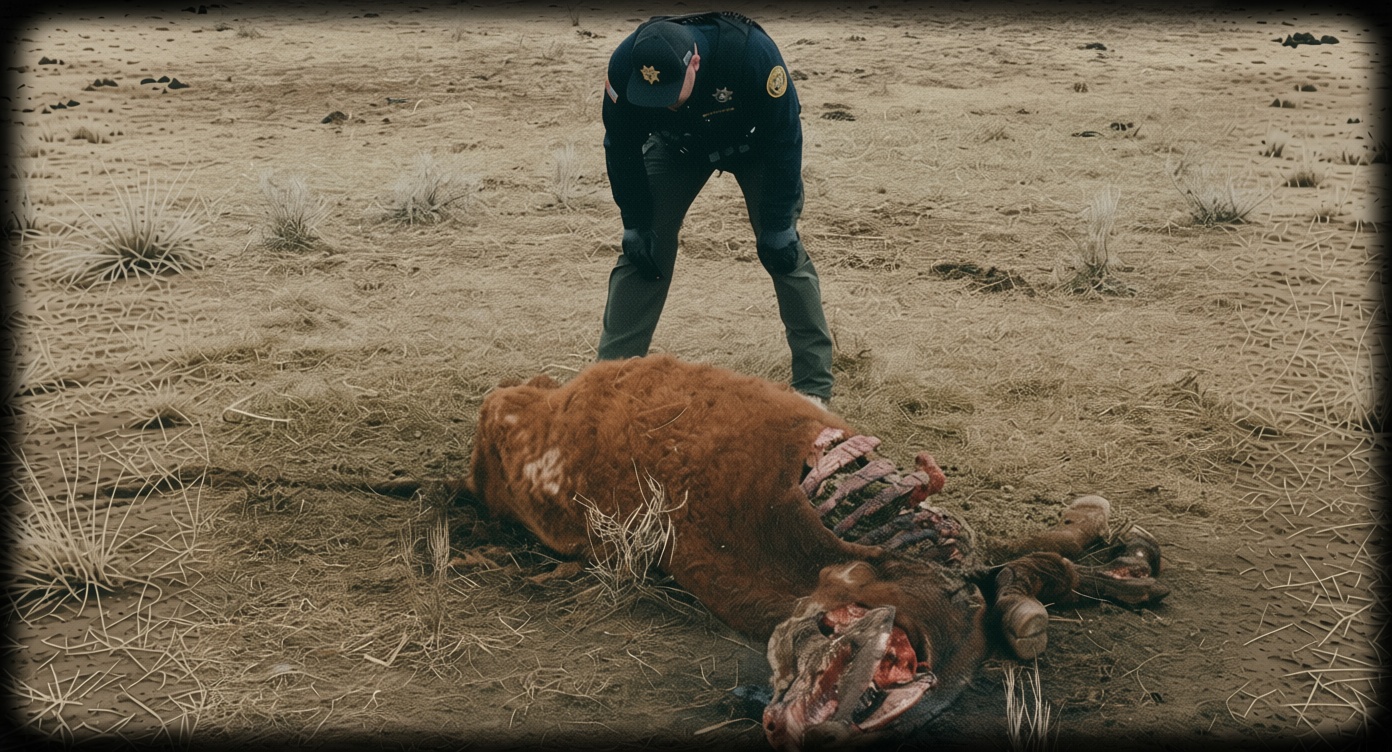
A new sci-fi thriller is drawing attention for weaving together several of the most enduring themes in modern mystery fiction: hiker disappearances, cattle mutilations and the possibility of UFO or paranormal involvement. Framed as a suspense story rather than a documentary claim, the book leans into a long-running tradition in popular culture that treats unexplained wilderness cases and livestock deaths as clues to something larger, stranger and harder to verify.
The premise appears designed to appeal to readers who follow the overlap between conspiracy fiction, extraterrestrial speculation and investigative adventure. By linking remote backcountry vanishings with mutilated cattle and unexplained phenomena, the story taps into a familiar set of anxieties: the sense that certain events are not only unexplained, but possibly connected. In that respect, the book fits neatly within a genre that uses real-world mysteries as a springboard for speculative storytelling.
Key Details
The book’s setup suggests a narrative that moves between grounded danger and speculative intrigue. Hiker disappearances provide a human center to the story, while cattle mutilations introduce one of the most persistent motifs in UFO folklore, often associated in pop culture with alleged anomalies ranging from precise injuries to strange lights in the sky. The inclusion of paranormal phenomena broadens the scope further, allowing the author to blend scientific uncertainty with supernatural unease.
Importantly, the material is presented in a sci-fi thriller context, which signals to readers that the book is not making evidentiary claims about the cases it references. Instead, it is using those phenomena as narrative engines. That distinction matters in a genre where mystery and speculation can easily blur; here, the emphasis is on entertainment, atmosphere and suspense, not proof.
Broader Genre Context
The source material places the book alongside other titles in the Robert Spire Adventure Thriller line, including The Galileo Project: Countdown: Part 2, The Galileo Project: Disclosure: Part 3 and Tipping Point. Those books appear to share a blend of adventure, conspiracy and science-fiction themes, indicating an established readership for stories that explore big unanswered questions through fast-moving plotlines.
Amazon listings for the related titles show strong reader interest, with ratings in the roughly 4.3 to 4.4 star range and low-cost digital editions priced around $3.99 to $4.99. While ratings alone do not speak to literary quality in a broad sense, they do suggest that the audience for this kind of speculative thriller is active and engaged. For publishers and authors in the genre, that remains an important signal: readers continue to respond to narratives built around secrets, government shadow zones and unexplained events.
Why the Premise Resonates
Part of the appeal of stories like this is that they sit at the intersection of known fears and unknown possibilities. Hikers vanish in remote terrain every year, livestock deaths generate local speculation, and UFO and paranormal reports persist in public imagination even as explanations remain contested. A thriller that combines those elements can feel timely because it mirrors how modern mystery culture works: one part folklore, one part internet speculation and one part genuine uncertainty.
For readers, the draw is not necessarily whether the story resolves its mysteries in a realistic way, but whether it can sustain the feeling that something hidden may be operating just beyond the edge of ordinary explanation. In that sense, the book is less about proving a theory than about dramatizing the human fascination with cases that refuse to stay neatly solved.