Overview
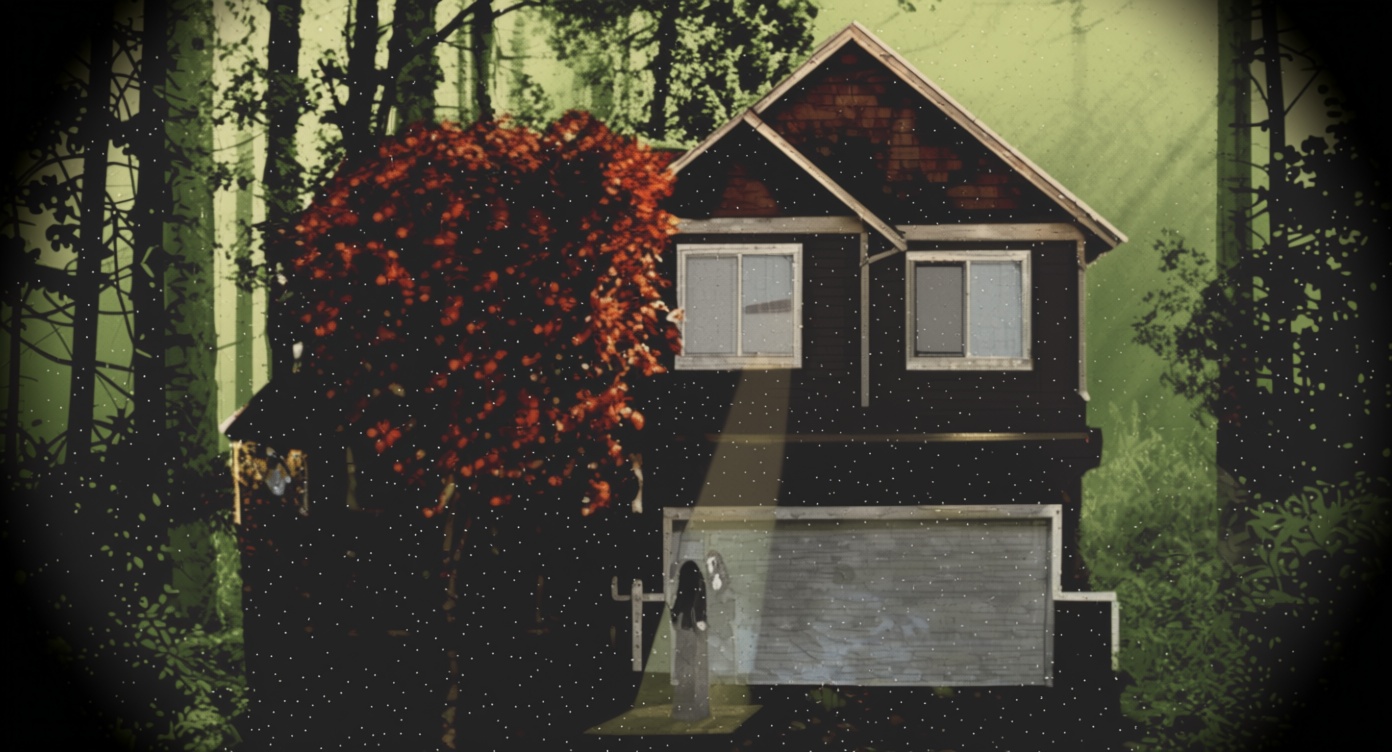
A suburban rental home in Bothell, Washington, became the center of national attention after a couple claimed they were subjected to escalating poltergeist activity beginning in 2012. The case, often referred to as the “Bothell Hell House,” involved Keith Linder, an IT professional, and his then-girlfriend Tina Davis, who said the disturbances ranged from missing objects and opening cabinets to more dramatic episodes involving physical movement, fire, and alleged demonic presence. Over time, the home drew in media crews, paranormal investigators, and skeptics, turning a private domestic crisis into one of the more widely debated alleged hauntings in the Pacific Northwest.
According to accounts from Linder and Davis, the activity began almost immediately after they moved in. They reported hearing a child cough despite no children living in the residence, finding jewelry and keys missing, and waking to kitchen cabinets open at once. By 2013, the claims had intensified: the pair said lights flickered, batteries drained unusually fast, and a potted plant levitated before crashing to the floor. Linder later described the experience as a steady escalation rather than isolated incidents, saying the home felt increasingly hostile and unpredictable.
Alleged Escalation and Physical Harm
The most serious reported episode occurred on January 2, 2014, when Linder says he was injured after being pushed down the stairs by an unseen force, severing his patellar tendon. He spent months recovering in the house and claimed he continued to hear heavy footsteps and feel “entities” getting into bed with him. In April of that year, he reported finding a Bible that had been missing for two years burning on the floor, with a burnt wooden cross inside the charred pages. Two months later, he said an office motion camera captured a scene of disarray in which “666” and other symbols had appeared on walls and the ceiling in a charcoal-like substance.
The most alarming claims came later, when Linder said the home experienced a series of fire-related incidents between 2015 and 2016. Those reports included a wall poster catching fire and, later, articles of his clothing spontaneously combusting. Such accounts helped cement the case’s reputation, but they also raised questions about documentation, causation, and how much could be independently verified. Even within paranormal circles, the Bothell case became a test of credibility because of the scale of the claims and the degree of public scrutiny.
Investigations and Conflicting Conclusions
The house received a major spotlight after a local KOMO 4 report, which led the Ghost Adventures team to spend five hours investigating the property in 2014. Their televised conclusion was that they found no evidence of paranormal activity, a segment that many viewers interpreted as discrediting Linder’s claims. Linder has since argued that the program used “dishonest editing” and misrepresented what occurred during the investigation. That criticism reflects a familiar tension in paranormal media, where dramatic television storytelling can clash with the expectations of firsthand witnesses.
By contrast, a later long-term study by the Scientific Establishment of Parapsychology (SEP), led by UK parapsychologist Steve Mera and Nick Kyle, reached a far different conclusion. Over eight months, including two week-long stays in 2016, the team reported documenting 229 “Class A” Electronic Voice Phenomena (EVPs) along with shadow figures and unexplained vibrations. They also found the home was the only one in a 70-house development built on the site of a former log cabin. Additional testimony came from former tenant Ronda, who said her family had experienced similar phenomena before moving out.
Legacy of the Case
The Bothell Hell House remains a controversial and closely watched case because it sits at the intersection of alleged paranormal activity, media scrutiny, and competing interpretations of evidence. Linder later documented his experiences in books and continued to maintain that the disturbances followed him after leaving the house in 2016. While skeptics view the case as unproven, supporters point to the volume of reported incidents and the long-term investigations as reasons it has endured in the paranormal record.