Overview
A new study from Baylor College of Medicine is adding fresh complexity to a long-running scientific question: what, exactly, does the brain do under general anesthesia? Researchers report that even when patients are deeply anesthetized and later remember nothing, parts of the brain may still be processing language in real time, distinguishing sounds, and adapting to patterns. The findings, published in Nature, suggest that unconsciousness is not necessarily a complete shutdown of neural activity, but rather a state in which some systems remain unexpectedly responsive.
Key Findings From the Study
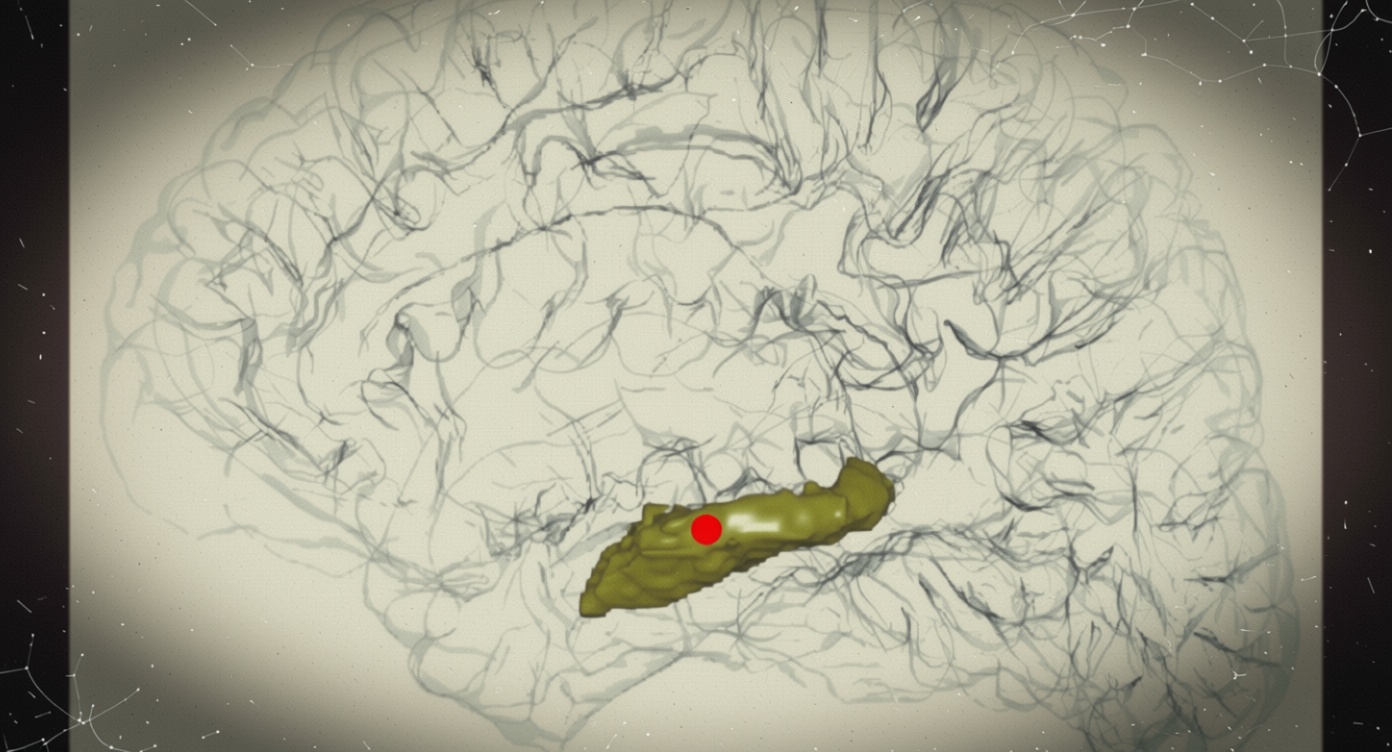
The research involved seven epilepsy patients already undergoing surgery, giving scientists a rare opportunity to place ultra-precise neuropixels microelectrodes into the hippocampus, a deep brain structure central to memory and learning. The electrodes recorded activity from hundreds of individual neurons while the patients were under anesthesia and exposed to repeated tones, “oddball” sounds, and language prompts. According to the team, certain neurons showed a clear ability to differentiate between familiar and unexpected sounds, and in some cases their responses grew stronger over time, indicating that the brain was not only reacting but also learning from the input.
Neurosurgeon Sameer Sheth said the results show that “the brain is far more active and capable during unconsciousness than previously thought.” He added that “even when patients are fully anesthetized, their brains continue to analyze the world around them.” That matters because the hippocampus sits deeper than the cortex, where sensory information is first processed. Previous studies had already found lingering sensory responses in cortical regions during anesthesia, but this work suggests that more central memory-related circuits may also remain engaged.
Why It Matters for Consciousness Research
The study does not prove that patients are consciously aware while under anesthesia. In fact, the absence of memory afterward underscores how different neural processing can be from subjective experience. But it does challenge the idea that general anesthesia reliably produces a complete neural blackout. Instead, the findings support a more nuanced view: the brain may continue to filter, encode, and organize information even in states traditionally labeled unconscious. That opens important questions for medicine, including how anesthetics suppress awareness and why some patients later report fragments of experience.
The implications also extend beyond the operating room. Similar questions arise in sleep, coma, and other altered states of consciousness, where researchers still struggle to separate awareness from measurable brain activity. The study’s authors are cautious, but their results suggest there may be more residual information processing in the unconscious brain than clinicians and neuroscientists once assumed.
Broader Philosophical Debate
The article also touches on a larger philosophical argument: whether biology is necessary for consciousness at all. If the brain can continue to process language and learn under anesthesia, the threshold for consciousness may be less rigid than many people believe. That, in turn, feeds into debates about artificial intelligence, including whether systems like GPT could ever qualify as conscious. The study does not answer that question, but it may weaken overly simple claims that consciousness is automatically impossible without a biological brain. At minimum, it underscores that consciousness remains a scientific and philosophical problem with blurred boundaries, not a settled binary between awake and asleep, alive and machine.