Overview
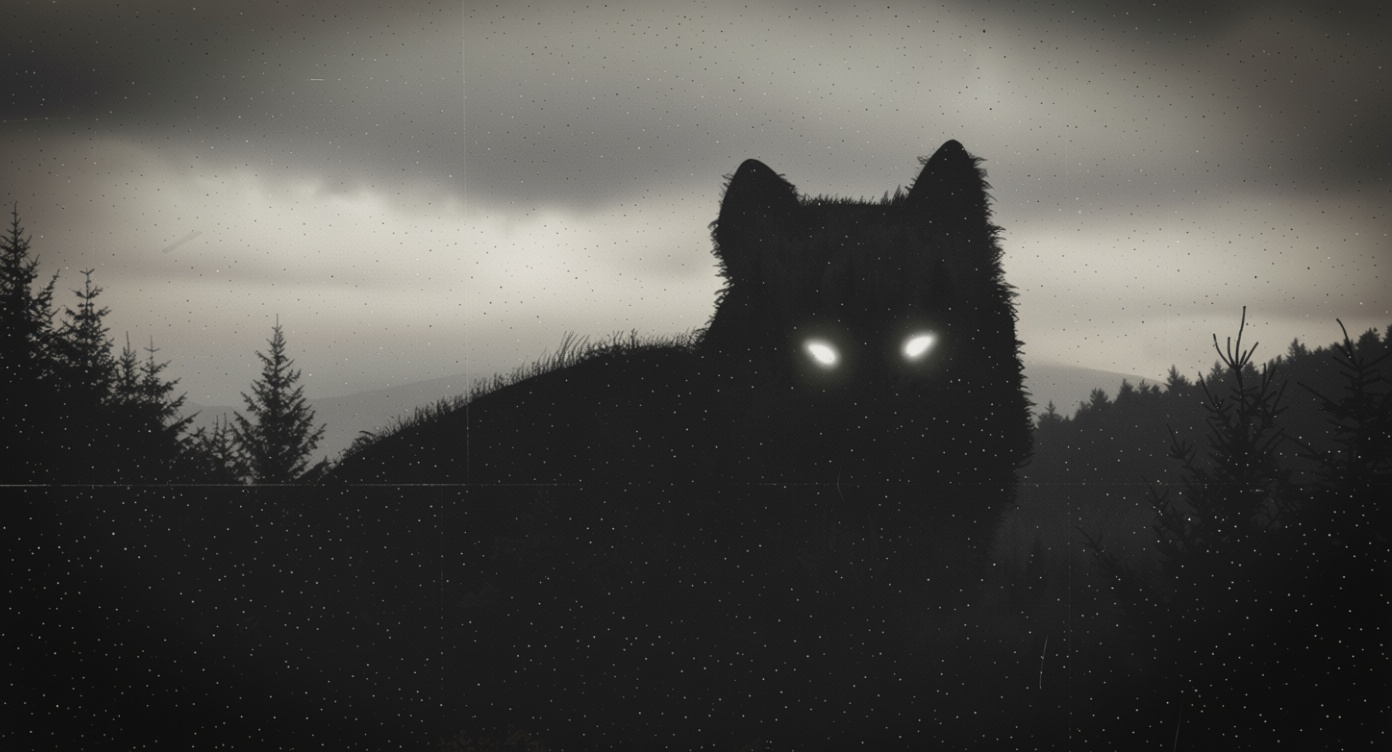
A video captured by a photographer in Brazil has been drawing attention online after some viewers initially mistook the animal for a werewolf. The creature, with its exaggerated long legs and uncanny silhouette, may look startling at first glance, but wildlife experts and local observers identified it as a maned wolf — a distinctive South American canid that is native to the region and far removed from folklore’s full moon transformations.
The clip, highlighted by Coast to Coast AM on August 14, 2026, reflects how easily unusual wildlife footage can be interpreted through a paranormal lens when viewed out of context. In this case, the animal’s appearance — especially its tall frame, narrow body, and alert posture — helped fuel online comparisons to a werewolf. But the more mundane explanation is also the more accurate one: a real animal, seen in the wild, behaving as expected for its species.
What the video shows
The maned wolf is one of South America’s most recognizable wild mammals, and its appearance often surprises people unfamiliar with it. Unlike the larger gray wolves of North America and Eurasia, the maned wolf is not a true wolf at all, but a separate species adapted to the open landscapes of Brazil and neighboring countries. Its unusually long legs give it a nearly stilted look, helping it move through tall grasses and spot prey in its habitat.
That unusual anatomy is likely what made the Brazilian footage so compelling. Online, a quick glimpse of the animal was enough for some users to jump to supernatural conclusions. Yet the video is a reminder that wildlife can still appear mysterious when filmed under the wrong lighting, from the wrong angle, or without immediate identification. In an internet environment where striking images spread faster than context, even a known species can briefly become something else entirely.
A familiar pattern in cryptid culture
The Brazil footage also fits into a larger pattern seen across paranormal and cryptid reporting: ordinary animals are sometimes reinterpreted as monsters when witnesses are uncertain or when the story is told after the fact. That pattern is especially common in regions where folklore, local legend, and unusual wildlife overlap. The “werewolf” label tends to emerge not because people literally believe they have seen a mythological creature, but because the sighting feels so strange that familiar language fails.
That same dynamic appears in another story referenced alongside the Brazilian video: accounts from southern Ontario described in the book When Wolves Walk Upright. The book collects reports of wolf-like creatures supposedly walking on two legs, a detail that places the sightings firmly in the realm of high-strangeness. While such reports have long circulated in folklore and cryptid discussions, they remain unverified anecdotes, not scientific evidence of an unknown species.
Between wildlife and legend
Taken together, the Brazilian maned wolf video and the Ontario upright-wolf accounts show how quickly the boundary between natural history and legend can blur. In one case, an identifiable animal was mistaken online for a werewolf. In the other, witness reports preserve a more enigmatic tradition of wolf-like beings standing upright. Both stories speak to the same enduring human response: when we encounter something unfamiliar in the wild, we often reach first for the mythic explanation.
For journalists, scientists, and skeptics alike, the lesson is straightforward. Extraordinary claims require extraordinary evidence, but sometimes the real story is just as interesting: a rare animal in the wrong light, a misunderstood silhouette, and the timeless power of the unknown.