Overview
The European Commission appears to have been quietly stepping up its attention to unidentified anomalous phenomena, or UAPs, according to a document seen by Euronews. The report suggests Brussels has been monitoring the issue since at least 2023 through its defence-related structures, with the emphasis placed less on public intrigue and more on oversight, detection and data gathering. In the document, the Commission acknowledged that its capacity to identify such objects is improving, but added that it still needs to do more: “We are getting better at seeing it (UAPs) and better identifying it as our technological capacities improve, but we need to get even better,” the letter said.
A quiet but growing institutional interest
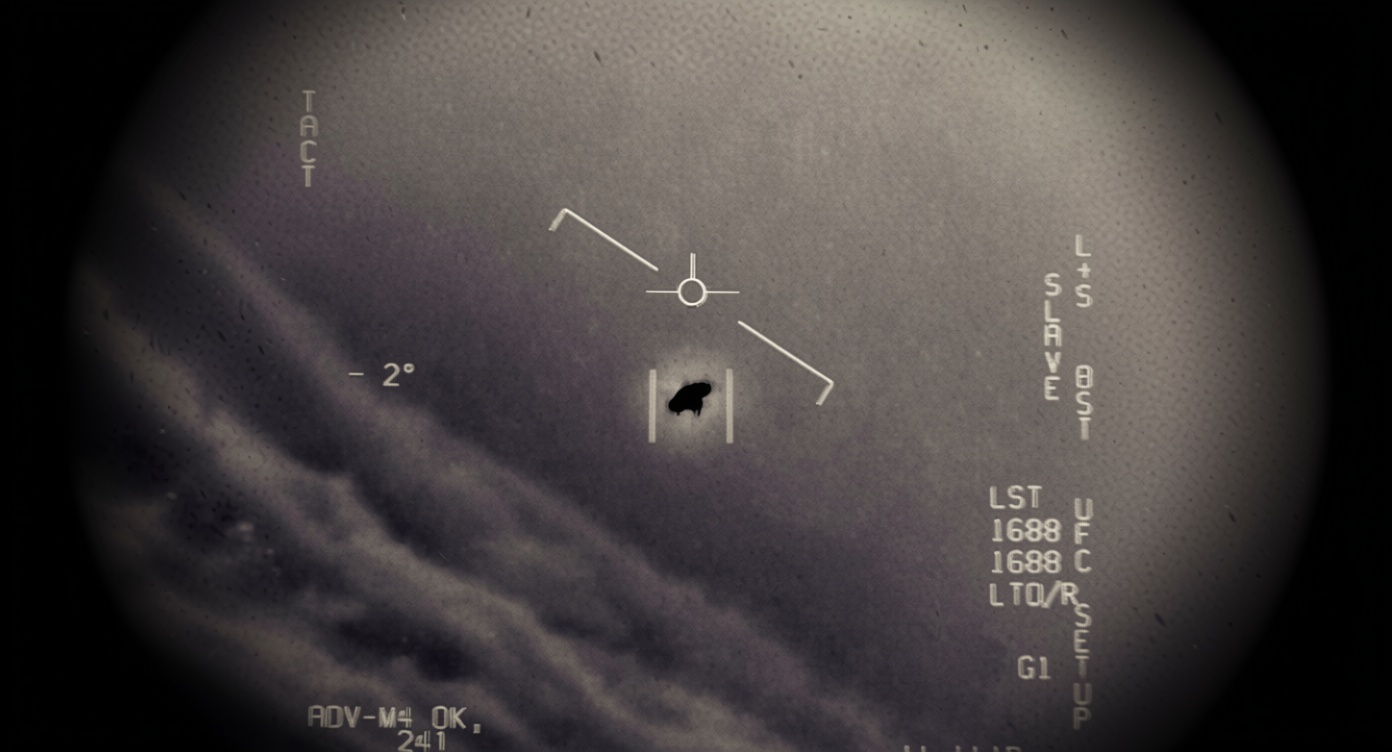
The Euronews reporting points to a broader institutional shift in how unexplained aerial sightings are treated in Europe and beyond. The term UAP has increasingly replaced the older label UFO, particularly in official contexts, following the Pentagon’s adoption of the term in 2020 when it set up the UAP Task Force to examine unexplained incidents in restricted airspace. That shift helped move the topic away from tabloid-style speculation and toward questions of air safety, national security and space-domain awareness. In that context, the Commission’s internal posture appears to mirror a wider trend: treating unexplained objects in the sky as a matter of technical monitoring rather than public spectacle.
The Malaysian case that drew Brussels’ attention
A significant part of the story stems from correspondence sent to the Commission by a Malaysian father-and-son team of amateur astronomers, who have been recognized internationally for prior lunar observations. In October 2022, they wrote to Brussels under the title “UAP captures in the airspace and deep space using our UV infrared telescope”, attaching 37 images and footage clips they believed showed unexplained phenomena. They asked Commission President Ursula von der Leyen about the objects’ origins, arguing that governments generally lacked firm answers when confronted with such cases. They also claimed the sightings appeared to occur near aircraft and sensitive installations, including military and nuclear facilities, and said they had detected unusual signals on local Wi‑Fi frequencies.
Brussels’ response and its limits
The Commission’s reply was measured and cautious. Because the reported sightings took place over Malaysia, Brussels made clear that it had no direct authority to investigate the matter. Even so, the EU executive said it would propose to its 27 member states that they increase their ability to detect objects in the space environment around Earth. According to the letter, that effort would serve a dual purpose: improving the identification of suspected UAPs while also helping to track space debris, which poses a growing risk to satellites and other space-based systems. The Commission was careful not to overpromise, stating, “We do not claim that in the future this will solve all cases like those you have reported, but maybe some of them.”
Wider international context
The episode fits into a broader international pattern of governments taking unexplained aerial activity more seriously. The United States has held high-profile congressional hearings on UAPs, including a July 2023 House Oversight Committee hearing that focused on national security concerns and allegations involving classified programs. Meanwhile, the Malaysian astronomers also reached out to NASA, Malaysian government agencies and Canada’s defence ministry, but received no substantive answers. Still, not everyone dismissed the effort: former Canadian MP Larry Maguire encouraged the pair, writing that “the skies aren't classified” and suggesting that growing public documentation would likely lead to greater awareness. For Brussels, the emerging message is clear: the issue is being watched, and perhaps increasingly so, even if the institution prefers to keep that attention under the radar.