Overview
Reports out of Colombia and Honduras have drawn attention this week for reasons that blur the line between folklore, environmental stress, and unexplained fear in the field. In Colombia, a group of soldiers patrolling jungle terrain said they felt as though they were being watched at night, and one serviceman was reportedly seized by the legs and nearly dragged away before his comrades pulled him to safety. The account, highlighted by Coast to Coast AM and attributed to earlier local reporting, has not been independently verified, but it has already stirred renewed discussion about how quickly isolated nighttime encounters can be interpreted as supernatural.
What the Colombian troops say happened
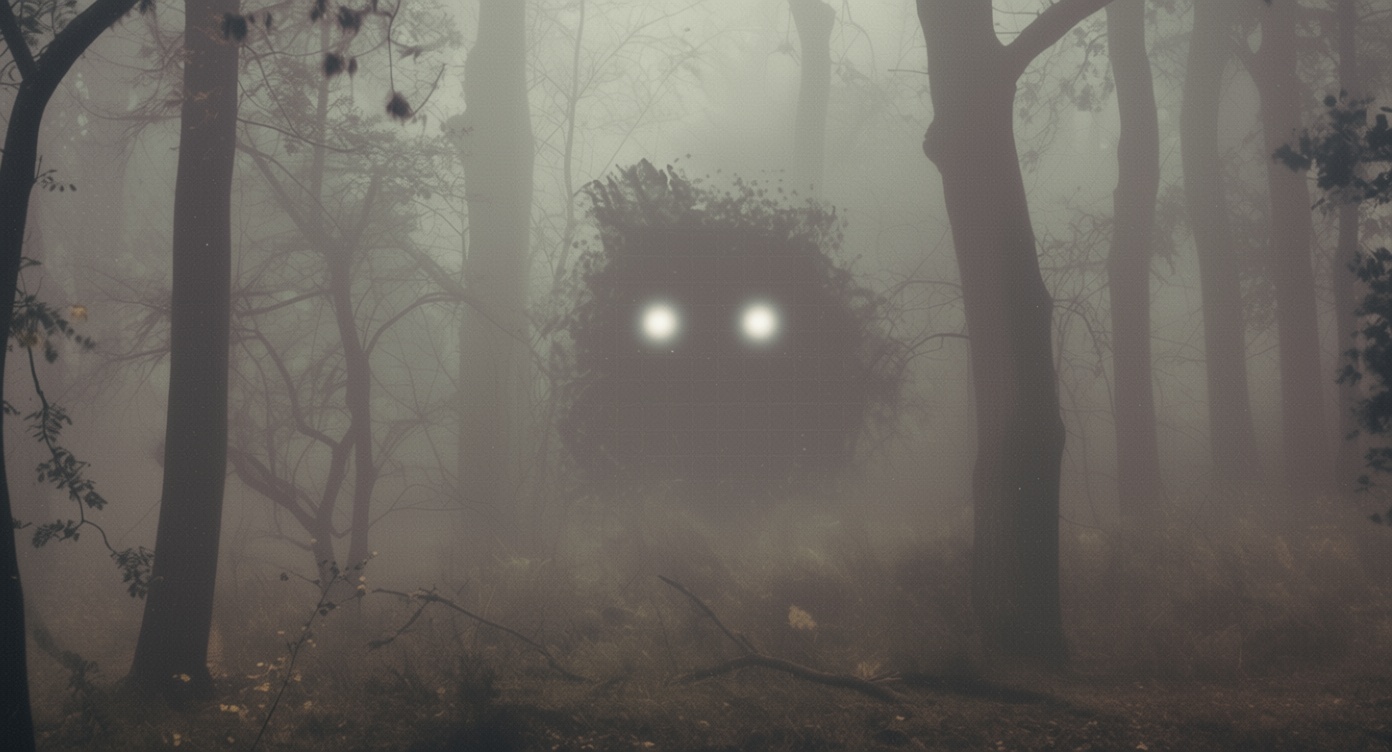
According to the report, the soldiers were operating in dense jungle conditions when their unease escalated after dark. They described an eerie sense of surveillance, a common theme in stories from remote terrain where visibility is low and every sound can seem amplified. The situation reportedly turned physical when one soldier was allegedly grabbed by the legs and nearly pulled into the jungle. The claim is dramatic, but the available information remains limited, and no official public statement from Colombian military authorities was included in the source material. Still, the incident has been framed by some observers as reminiscent of cinematic predator-in-the-wilderness narratives, underscoring how quickly ordinary patrol anxiety can become a story about something far more mysterious.
Honduras case points to a more conventional explanation
In a separate incident, several Honduran schoolchildren were taken to the hospital after reporting goblin-like visions, prompting concern among parents and local officials. Unlike the Colombian case, doctors later concluded that the children’s experiences were most likely hallucinations caused by heatstroke, not poisoning or exposure to an unknown substance. That assessment is notable because it highlights how environmental conditions can produce vivid and frightening symptoms that may initially appear paranormal. In hot, humid regions, dehydration and heat-related illness can affect perception, especially among children. What may first be described in folkloric terms can sometimes be explained by medicine rather than mystery.
Why these stories resonate
Taken together, the two incidents illustrate a recurring pattern in reports of the unexplained: extreme environments, fear, and limited visibility can combine to produce stories that feel supernatural even when the underlying cause is uncertain or later explained. Jungle patrols and schoolyard emergencies are very different settings, but both show how human perception can be altered by stress, heat, darkness, and expectation. In Colombia, the alleged attack remains an open question pending more detail. In Honduras, the answer appears to be far more grounded. For journalists and investigators alike, the challenge is the same: separate what witnesses believe happened from what can actually be verified.