Overview
A renewed wave of UFO discussion on #ufotwitter is drawing attention to one of the more enduring controversies in modern alien lore: the alleged photographs presented by former Lockheed Martin engineer Boyd Bushman in his final interview, and how they compare with other famous images circulating in the community, including the so-called “K-Mart Alien.” The latest analysis, published on August 24, 2026, revisits Bushman’s claims with side-by-side prop comparisons, adding to the long-running debate over whether the images reflect extraordinary evidence, a hoax, or something in between.
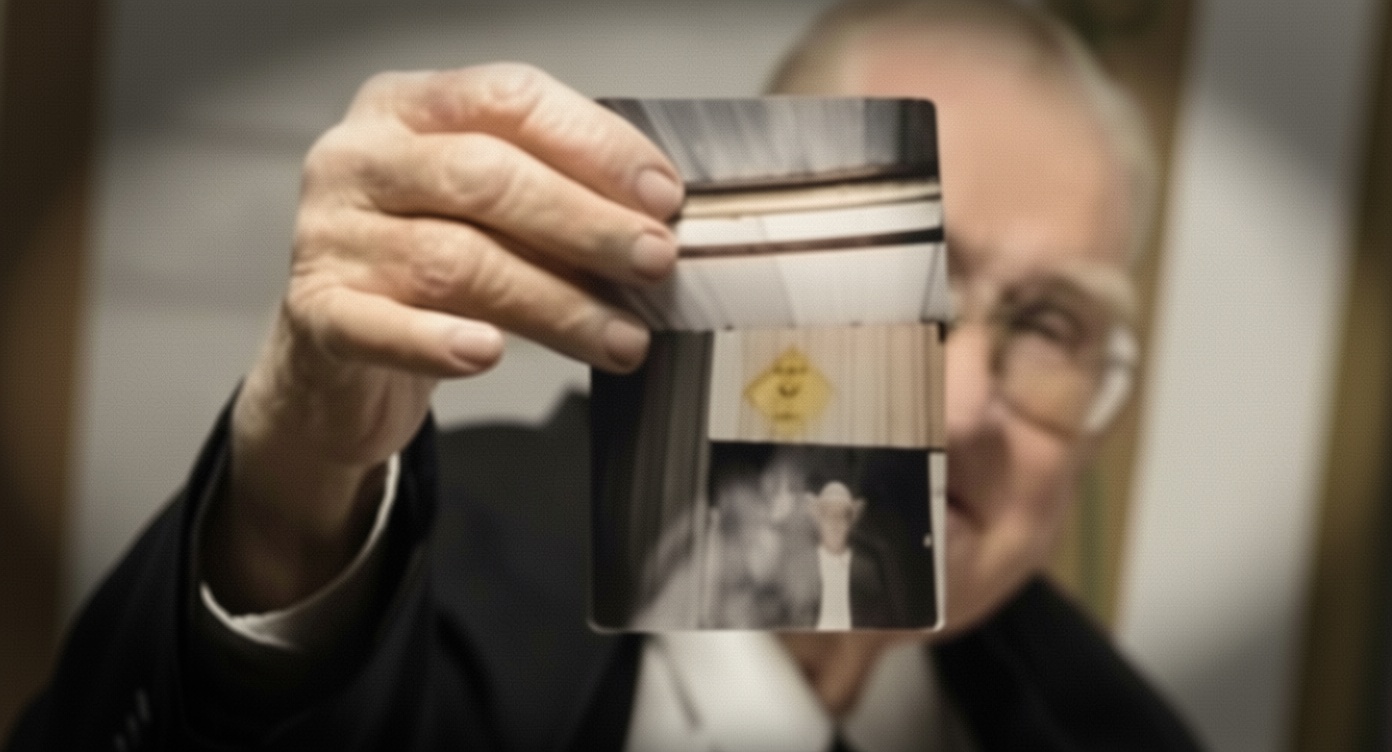
Bushman’s final interview was recorded shortly before his death on August 7, 2014, and released publicly that October. In it, he discussed Area 51, UFOs, and a set of photographs he said documented contact with extraterrestrial beings. One image he highlighted, which he described as the “spirit of a dead extraterrestrial,” was said to show a ghostly figure beside a friend who had become close with the being before it died. According to Bushman, the photo was taken about ten days after the alien’s death.
The photographs and Bushman’s claims
The main focus of Bushman’s interview, however, was a separate series of images he said showed the body of an alien taken at Area 51. Bushman claimed a friend captured the pictures using a camera he had provided. He described the beings as standing roughly four-and-a-half to five feet tall, with long fingers, webbed toes, three ribs, and a spinal structure unlike that of humans. He also alleged the creatures communicated telepathically and said at least 18 of them were associated with the facility he described.
Those assertions have made Bushman a persistent figure in UFO discussions, but they have also attracted skepticism from researchers and casual observers alike. The images have never been independently verified, and the extraordinary nature of the claims places the burden of proof squarely on proponents. In the absence of chain-of-custody documentation, raw image files, or corroborating testimony from other named witnesses, the photographs remain impossible to authenticate as evidence of non-human life.
Why the “K-Mart Alien” comparison matters
The new comparison with the “K-Mart Alien” reflects a familiar pattern in UFO culture: alleged alien photos are often evaluated not just for what they appear to show, but for how closely they resemble known props, masks, mannequins, or costumes. In that context, the inclusion of a prop comparison in the latest analysis is significant. It underscores how easily a staged image can acquire a paranormal reputation once it is detached from its original setting and circulated as mystery content online.
This is not the first time Bushman’s photographs have been examined against other alleged alien imagery. The visual similarities among various “grey” depictions have long fueled speculation that some sightings and photos may be drawing from a shared pop-culture template rather than an authentic encounter. Critics argue that recurring features—large heads, narrow limbs, and simplified facial structure—can be reproduced with practical effects or commercial props, especially when photographed under dim or ambiguous conditions.
The larger UFO evidence debate
Even so, Bushman’s interview continues to resonate because it sits at the intersection of personal testimony, classified-site mythology, and photographic ambiguity. For believers, the images are part of a broader mosaic of disclosure-era clues. For skeptics, they are another reminder that UFO lore often advances through compelling stories long before it is supported by verifiable evidence. The renewed discussion around Bushman and the K-Mart Alien shows how quickly such material can re-enter the public conversation when it is reframed through modern online comparison and analysis.
As the debate continues, the photographs remain exactly where they have been for years: at the center of a controversy that is as much about how UFO evidence is presented and interpreted as it is about the images themselves.