Hearing Plans Remain Uncertain
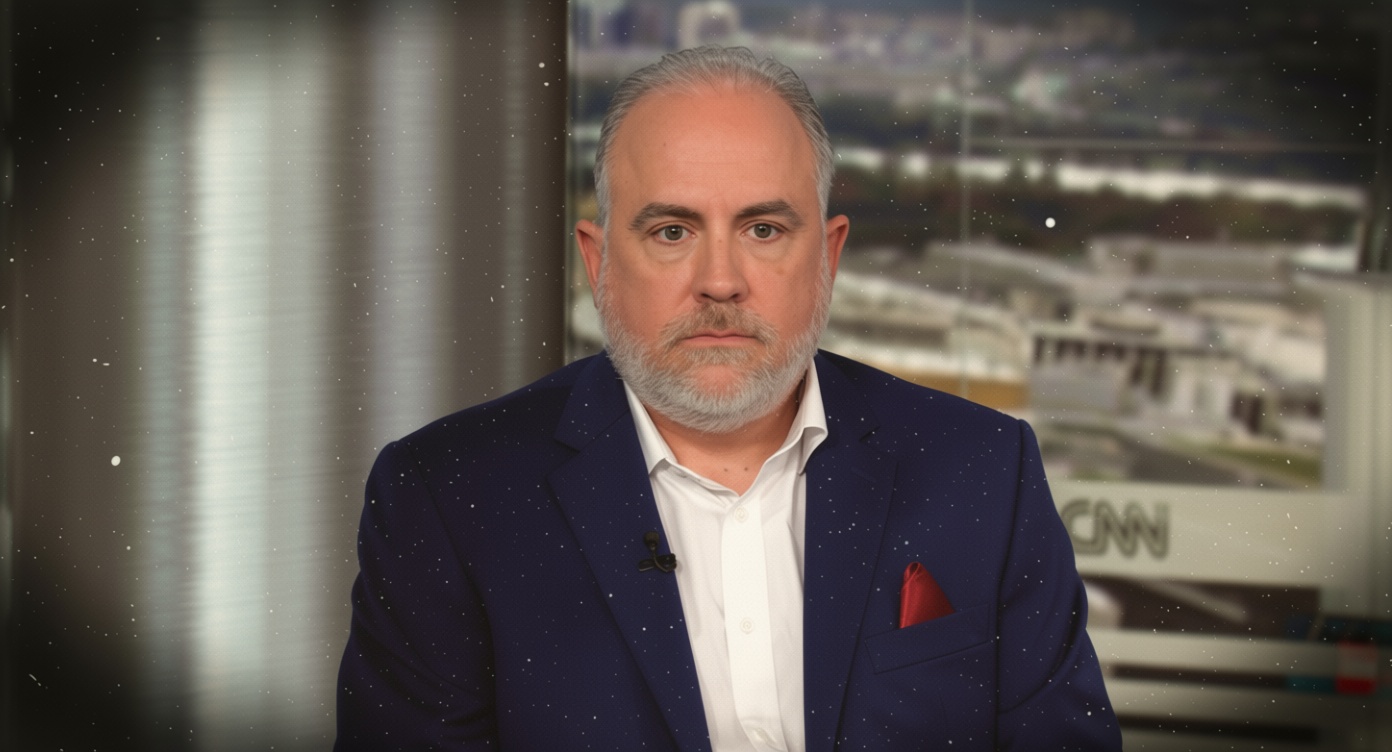
House Oversight and Government Reform Committee Chairman James Comer is seeking to revive plans for a congressional hearing on unidentified anomalous phenomena, or UAP, after a proposed September session was derailed by changes to the legislative calendar. Speaking outside the Capitol on Sept. 16, 2026, Comer said organizers had initially targeted the third week of September but were forced to reconsider after congressional workdays were canceled.
“Well, they keep canceling days on us,” Comer told Ask a Pol, a partner of The Sentinel. “So we’ll, we’ll try to pick it back up in November.” Speaker Mike Johnson reportedly canceled the final two weeks of the September session, leaving the proposed hearing without a firm date, agenda or witness list.
Comer characterized the post-election period as potentially significant, describing it as “an aggressive lame duck period.” At the same time, he acknowledged that lawmakers had not settled on a precise subject. “I don’t know that we ever agreed on a topic,” he said, directing questions about earlier discussions involving scientists to Representatives Tim Burchett, Anna Paulina Luna and Eric Burlison. Comer said he supported another hearing because “there’s demand for it,” but added that securing credible witnesses remains a persistent obstacle.
Potential Witnesses and Security Concerns
One possible line of inquiry involves intelligence personnel who reportedly witnessed a 2025 encounter near an undisclosed West Coast military installation. In an Oct. 10 report by the New York Post, Burlison said he would explore whether those personnel could testify publicly.
According to an FBI report cited in the account, the incident occurred during a helicopter mission. Witnesses reportedly described orange orbs flying alongside the aircraft, smaller objects moving near a mountain backdrop and an object that appeared to approach the helicopter before splitting into two. These descriptions are allegations of an anomalous encounter, not an official determination that the objects were extraterrestrial or otherwise beyond conventional explanation.
Burlison said some of the witnesses have already met with members of Congress privately but have not provided all available video footage. He also identified one witness as a career official from the Office of the Director of National Intelligence who is not publicly known. Public testimony could therefore raise classification, employment and operational-security issues. “There’s some people that are working for the agency that having them come forward publicly may expose other things,” Burlison said.
The 2023 Precedent
The proposed hearing would follow a well-established congressional precedent. On July 26, 2023, a House Oversight subcommittee heard testimony from former Navy pilot Ryan Graves, retired Navy Commander David Fravor and former intelligence officer David Grusch. The witnesses answered questions under oath, placing their accounts directly into the congressional record.
That proceeding demonstrated both the value and limitations of public hearings. Testimony can bring allegations before lawmakers and the public, but it does not by itself establish the nature or origin of reported objects. Any new hearing would likely face similar demands for corroborating sensor data, flight records, video, chain-of-custody documentation and independent analysis.
Broader Proposals for UAP Research
The debate has also expanded beyond witness testimony. The source material discusses proposals from Baptiste Friscourt, author Whitley Strieber, the Sol Foundation and others concerning witness support, scientific investigation and structured study of instrumentally documented anomalous events.
Those proposals reflect a growing argument that UAP inquiries should not depend exclusively on dramatic personal accounts. Advocates have called for stronger protections and support for witnesses, particularly current or former government personnel who fear retaliation, professional consequences or disclosure of sensitive information. They have also urged researchers and policymakers to establish clear standards for evaluating events recorded by multiple instruments, such as radar, infrared systems, satellite data and cockpit sensors.
For now, however, Comer’s initiative remains a proposal rather than an announced congressional event. Until lawmakers confirm a date, topic and witnesses, the prospect of a new UAP hearing will remain subject to the same political divisions, scheduling pressures and evidentiary challenges that have shaped the issue in Congress.