Congressional Pressure Intensifies
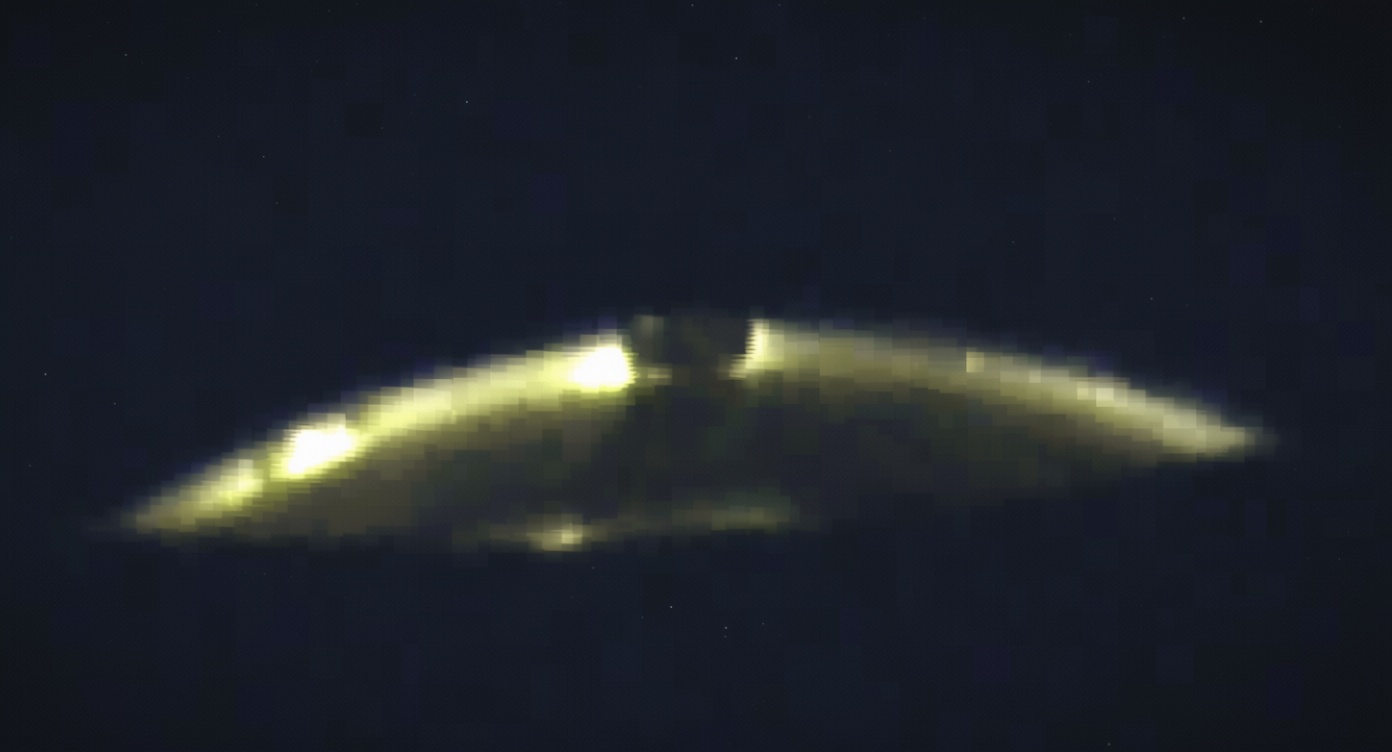
Pressure on the federal government to release more information about unidentified anomalous phenomena is building again, as lawmakers push for access to long-sought records and prediction markets register fresh interest in the possibility of an official disclosure. Rep. Anna Paulina Luna has demanded the Pentagon turn over 46 classified UAP videos, a request that stands out for its unusual specificity: the March 31 letter reportedly identified files by title, date, location and military callsign. When the April 14 deadline passed without compliance, critics framed the delay as another sign of institutional resistance. At the same time, the Schumer-Rounds disclosure bill has been repeatedly weakened, undercutting hopes among transparency advocates that Congress would force a broad release of records in one of the most detailed UAP disclosure efforts to date.
Markets React to Political Signals
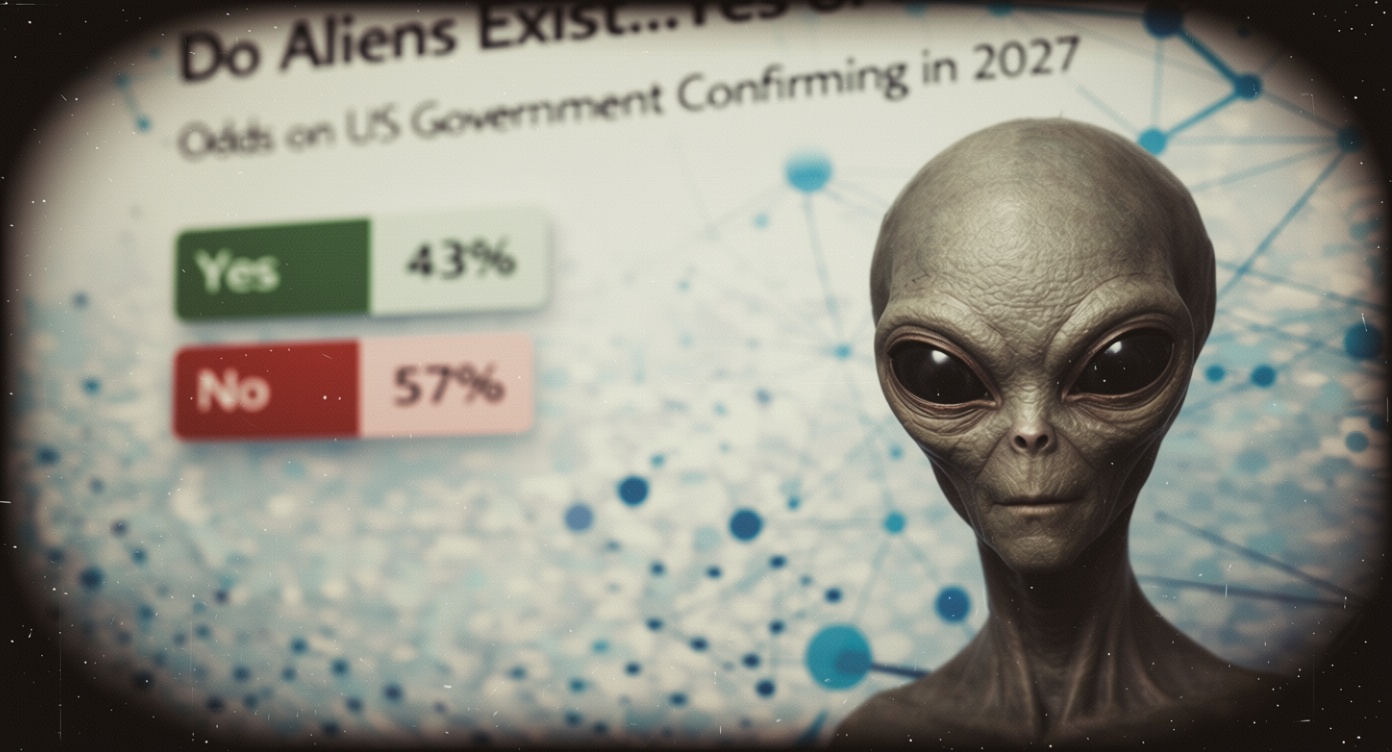
That political backdrop has helped fuel a growing market around a very specific question: Will the U.S. confirm aliens exist before 2027? On Kalshi and Polymarket, traders remain skeptical. The aggregated probability of a “Yes” outcome is just 5.8%, while “No” trades at 94.2%, according to live pricing cited by the tracker. Combined trading volume has reached $1.9 million, making it one of the more active novelty markets tied to UAP disclosure. The gap between the two platforms is narrow but notable, with the tracker showing a 0.35% spread on the Yes side and a modest 1.3% increase in the No side over 30 days. For traders, the event is not whether extraterrestrial life exists somewhere in the universe, but whether a U.S. official will say so on the record before December 31, 2026.
Trump’s Remarks Add Fuel, Not Confirmation
Recent attention has been amplified by remarks from Donald Trump, whose comments at Turning Point USA were interpreted by some market participants as a possible signal of future disclosure. Trump said, “we found many very interesting documents,” language that stopped well short of confirming alien life but was enough to move odds and trading activity. The response underscores how sensitive prediction markets can be to vague political statements, especially when they intersect with an issue already shaped by secrecy, congressional subpoenas and public frustration over withheld records. Market watchers note that the event contract is binary, meaning shares pay out only if the stated outcome occurs, and can be traded before expiration, helping explain why the contract has drawn outsized attention.
Pentagon and AARO Hold the Line
Despite the renewed speculation, the Pentagon and the All-domain Anomaly Resolution Office (AARO) continue to say they are reviewing files and have found no evidence of extraterrestrial technology or beings. Officials have also said that while many reports remain unresolved, only 21 cases are still unexplained. That distinction matters: an unexplained sighting is not the same as proof of nonhuman origin. For now, the hard numbers suggest the market is betting against a dramatic disclosure, even as lawmakers press for greater transparency and public interest remains high. Whether Congress can force more releases—and whether any of those documents would change the broader assessment—remains the central question driving both the political debate and the growing trade in UAP odds.