Overview
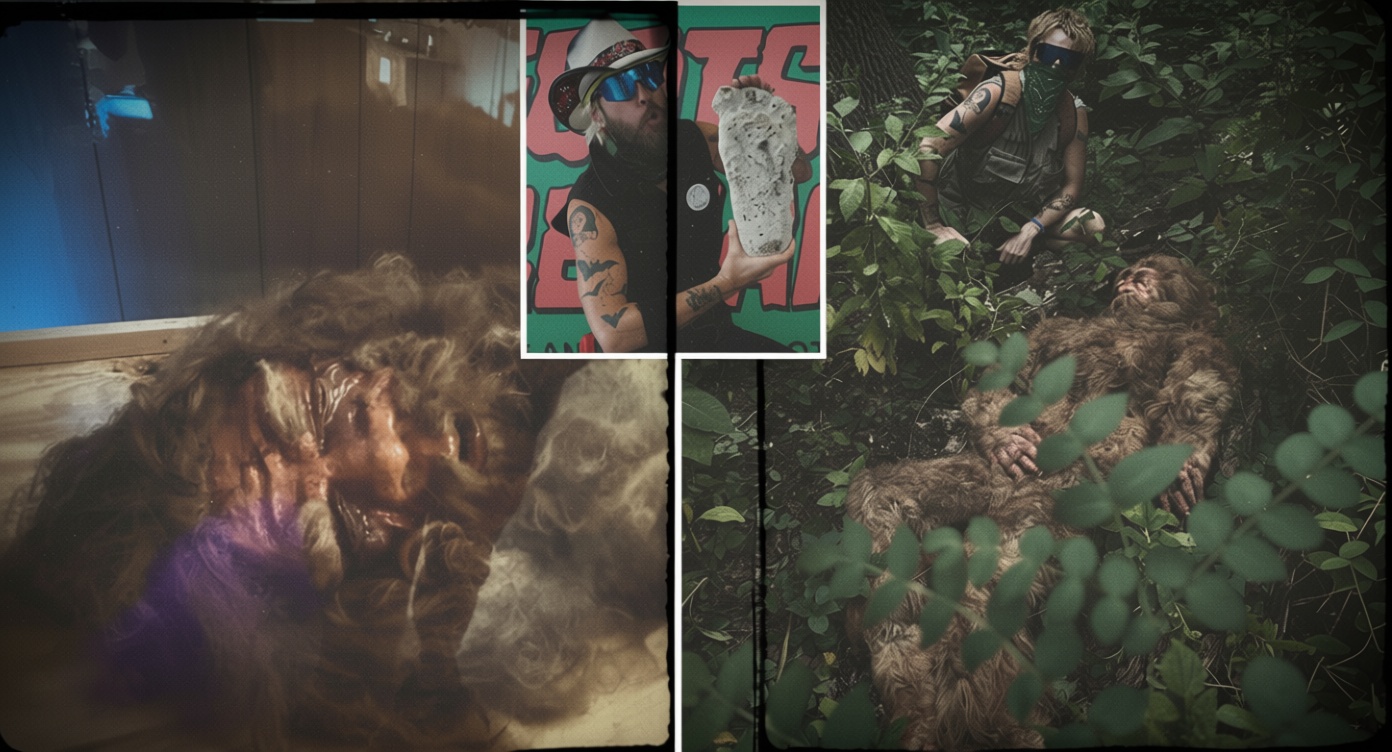
Cornell University has rejected a claim made by longtime Bigfoot hunter Charles Stuart, known by the nickname “Snake,” who said the school tested an alleged 300-pound Sasquatch corpse and determined it was “60% Neanderthal.” The denial, reported by the New York Post, undercuts a story that had already captured attention in the enduring world of Bigfoot lore, where alleged discoveries often circulate far faster than they can be verified.
The dispute centers on Stuart’s assertion that the remains of what he believes to be a Sasquatch were examined by Cornell and yielded an extraordinary genetic result. Cornell, however, said the allegation was false, directly contradicting the hunter’s account. No independent evidence has been presented publicly to substantiate the claim, and the university’s response adds another layer of skepticism to a case already bordering on folklore rather than science.
The Cornell Dispute
Stuart’s story hinges on the idea that the alleged creature was not merely an unidentified animal, but something closer to a prehistoric human relative. His description of the sample as “60% Neanderthal” is especially provocative, since it suggests a hybrid or otherwise unexplained biological profile. In Bigfoot circles, such details can rapidly elevate a sighting or specimen from rumor to headline material. But Cornell’s denial suggests the university does not stand behind any such finding and is not endorsing the narrative surrounding the alleged corpse.
The clash also highlights a recurring pattern in cryptid claims: extraordinary assertions often lack the kind of documentation, chain of custody, and peer-reviewed analysis that would be required in academic or forensic settings. Without those safeguards, institutions like Cornell are left to distance themselves from speculation that can be difficult to dislodge once it spreads online or through enthusiast communities. For Stuart, the denial appears to have been a direct blow to a claim he has treated as credible.
Another Sightings in the Stream
The Cornell controversy arrived alongside yet another anecdote from the broader Sasquatch canon: a Colorado driver who said she saw a Bigfoot glide up a hillside near Lake City. While such sightings remain unverified, they are part of the steady stream of reports that keep the legend alive across the United States. Witness accounts like these tend to feature fleeting movement, remote terrain, and limited visibility — conditions that make confirmation difficult and debate inevitable.
Taken together, the New York and Colorado stories show how Bigfoot remains a durable figure in American culture, straddling the line between mystery and myth. For believers, each new report adds to a growing body of evidence. For skeptics, the same accounts underscore how easily perception, expectation, and misidentification can shape what people think they saw.
A Familiar Pattern
Despite decades of sightings, grainy photos, and disputed samples, no widely accepted scientific proof of Bigfoot’s existence has emerged. That has not stopped the legend from evolving, especially as claims of DNA analysis and institutional involvement give old stories a modern twist. Cornell’s denial may not end the discussion, but it does reinforce the gap between anecdote and evidence.
For now, the alleged “60% Neanderthal” Sasquatch remains just that — an allegation. And as with so many Bigfoot stories before it, the latest chapter appears to be less about settled fact than about the persistent power of a mystery that refuses to disappear.