Overview
In a recent episode of NewsNation’s “Reality Check,” special correspondent Ross Coulthart addressed a wide range of developments in the UAP debate, from whistleblower disputes and alleged secret programs to international intelligence-sharing and the ongoing controversy over crop circles. The segment reflected the broader tension that continues to define the subject: officials and researchers pressing for transparency, while sources with security clearances say they remain bound by legal and contractual restrictions that limit what they can say publicly.
Elizondo, NDAs, and the Limits of Disclosure
A notable part of the broadcast centered on a recorded response from Luis “Lue” Elizondo, the former Pentagon intelligence official associated with AATIP. Elizondo pushed back sharply on a recent interview involving a researcher identified as “UAP Gerb,” calling the claims presented there “180 degrees false” and warning viewers about “bad actors” who he said were chasing clicks and spreading misinformation. Coulthart responded by saying he respects Elizondo, but argued that major historical questions remain unresolved, especially around the relationship between AATIP and AAWSAP, two programs that have often been discussed together but are still not fully clarified in public records. Coulthart also said Elizondo remains constrained by security obligations and that the government should release him from his NDAs if officials want truly complete testimony.
Claims About “Immaculate Constellation”
Another major focus was Coulthart’s interview with Matt Brown, who described an alleged Special Access Program known as “Immaculate Constellation.” Brown claimed the program is not run by the Pentagon, but instead sits under the White House National Security Council, a structure he said could explain why the Defense Department can deny direct knowledge of it. Coulthart noted that if such a program were managed at the executive level, it could help keep it outside normal Pentagon oversight. Brown also alleged personal retaliation tied to his attempts to surface UAP-related information, including what he described as a home invasion and intimidation involving the handling of family ashes. Those claims, while serious, were presented as allegations and not independently verified in the segment.
International Cooperation and Suppressed Records
Coulthart also took questions from Canadian viewers and discussed an alleged May 2023 Pentagon meeting involving the Five Eyes intelligence alliance: the United States, United Kingdom, Canada, Australia and New Zealand. He said sources suggested Canadian scientists may have been involved in U.S.-linked reverse-engineering efforts, while also alleging that Australia’s Defence Intelligence Organisation attended the briefing but continues to resist freedom-of-information requests on UAP matters. Coulthart further argued that the government has repeatedly withheld higher-quality amateur footage and supporting data. He cited the 1986 JAL Flight 1628 case over Alaska, saying former FAA official John Callahan kept radar and telemetry records after the CIA allegedly seized original materials, which Coulthart said demonstrates that more substantial evidence exists than what has been publicly released.
Crop Circles and the Disclosure Debate
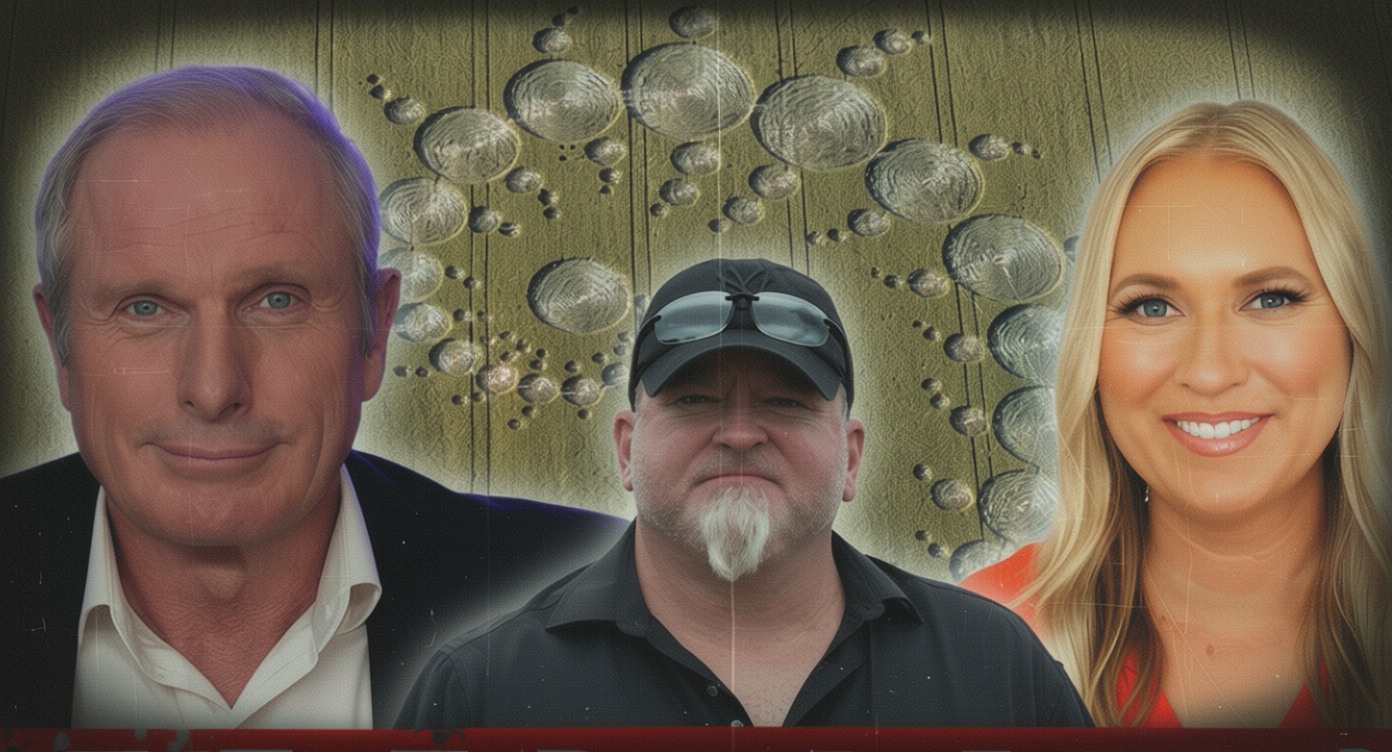
The broadcast also touched on crop circles, a subject Coulthart treated as a mix of documented hoaxes and unexplained phenomena. He referenced research by the BLT Research Team, including work by biophysicist William Levengood, which claimed certain formations showed unusual stem damage and soil changes consistent with intense, rapid heating. At the same time, Coulthart confirmed that the well-known 1996 “Oliver’s Castle” video, often cited by crop circle believers, was a hoax created by animation specialist John Whabe. Coulthart concluded that despite continued document releases, the process often feels like a “nothing-burger”—something designed to suggest transparency without exposing the full scope of what the government may know about non-human intelligence or advanced technologies.