Overview
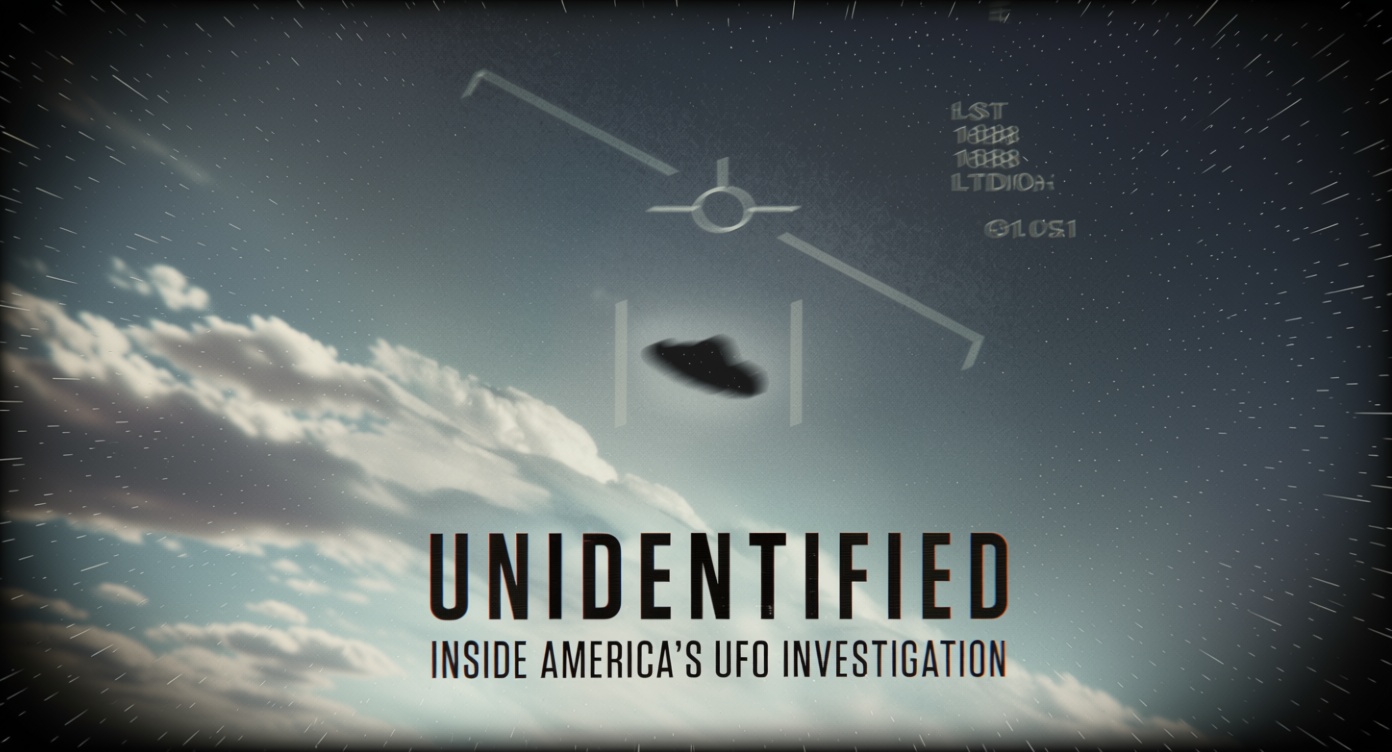
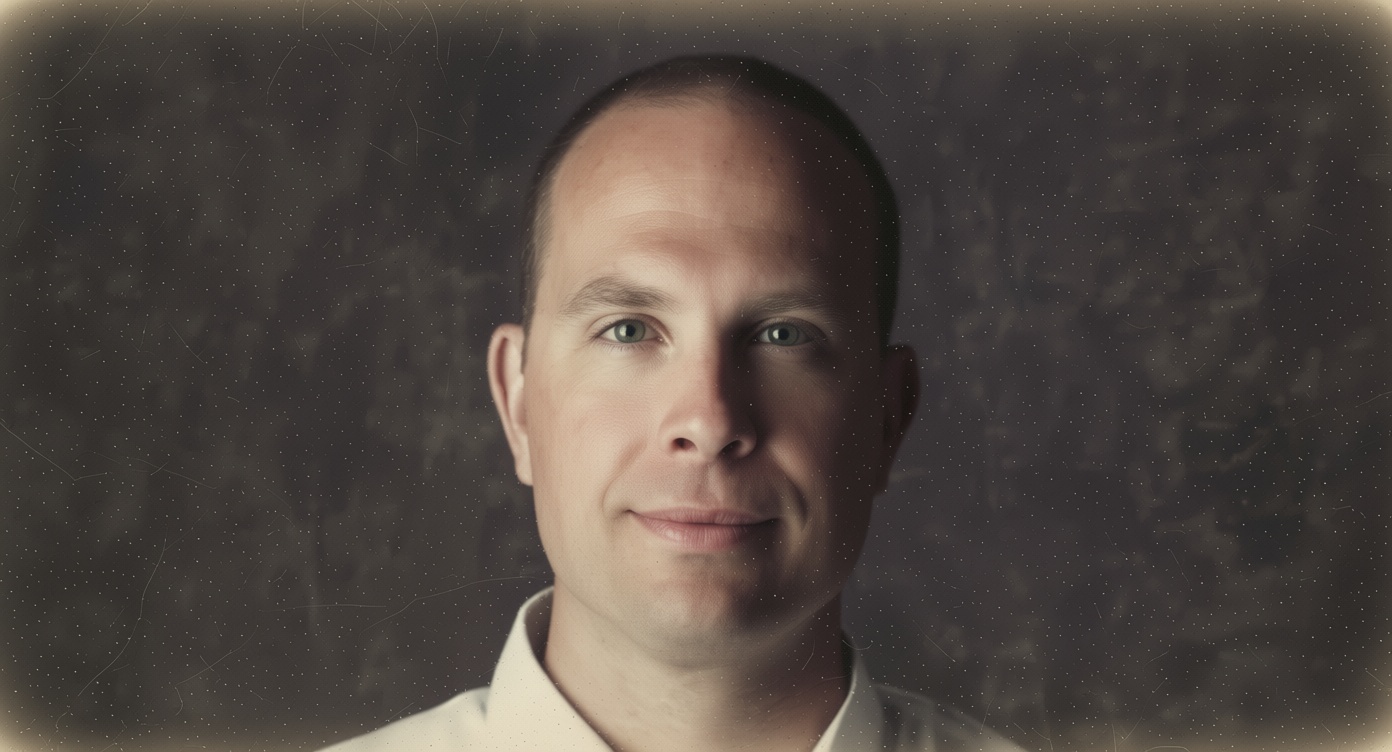
David Grusch, the former intelligence official and high-profile UAP whistleblower, said in a recent appearance on Dr. Phil McGraw’s program that the United States has recovered nonhuman craft and living occupants, according to reporting highlighted by unknowncountry.com. The claim is among the most extraordinary Grusch has made publicly, and it continues to place him at the center of the debate over what the government may know about unidentified anomalous phenomena, or UAP. As with his earlier testimony and interviews, the allegations remain unverified in the public record, but they have helped keep pressure on Washington to address long-running secrecy concerns.
What Grusch Reiterated
Grusch has become a prominent figure in the modern disclosure movement since speaking out about what he describes as a long-running cover-up within the national security system. In the Dr. Phil interview, he reportedly doubled down on the assertion that the U.S. government has retrieved nonhuman technology and even living occupants associated with it. He also used the appearance to sharply criticize politicians and officials in the military and intelligence community, accusing them of failing to deal honestly with the public and of allowing important information to remain buried. While the specifics of his comments were not fully detailed in the source material, the thrust of his message was clear: he wants greater accountability from the institutions that have controlled access to UAP-related evidence.
Wider UAP Developments
The Grusch interview comes amid a broader wave of renewed interest in disclosure, driven in part by other whistleblowers and advocates pressing elected officials to act. Among them is Dylan Borland, who has urged Donald Trump to release evidence related to UAP if he returns to political power or continues to influence the issue. That appeal reflects a growing belief among disclosure advocates that meaningful transparency may require direct intervention from the highest levels of government. At the same time, commentary around UFO claims has continued to focus on recurring themes: reports of sightings near nuclear sites, testimony from former service members, and long-standing allegations that military agencies have compartmentalized information to prevent public scrutiny.
The Disclosure Challenge
Despite the momentum generated by recent hearings and witness testimony, the central challenge remains the same: extraordinary claims require extraordinary evidence, and much of the public discussion still relies on testimony, secondhand accounts, and claims that have not been independently confirmed. Critics argue that the UAP debate has too often outpaced the evidence, while supporters counter that decades of classification have made public verification nearly impossible. Grusch’s remarks on Dr. Phil, and the continuing calls from figures like Borland, underscore how politically charged the issue has become. Whether the next breakthrough comes through congressional action, a declassification effort, or a new whistleblower, the public appetite for answers shows no sign of fading.