Overview
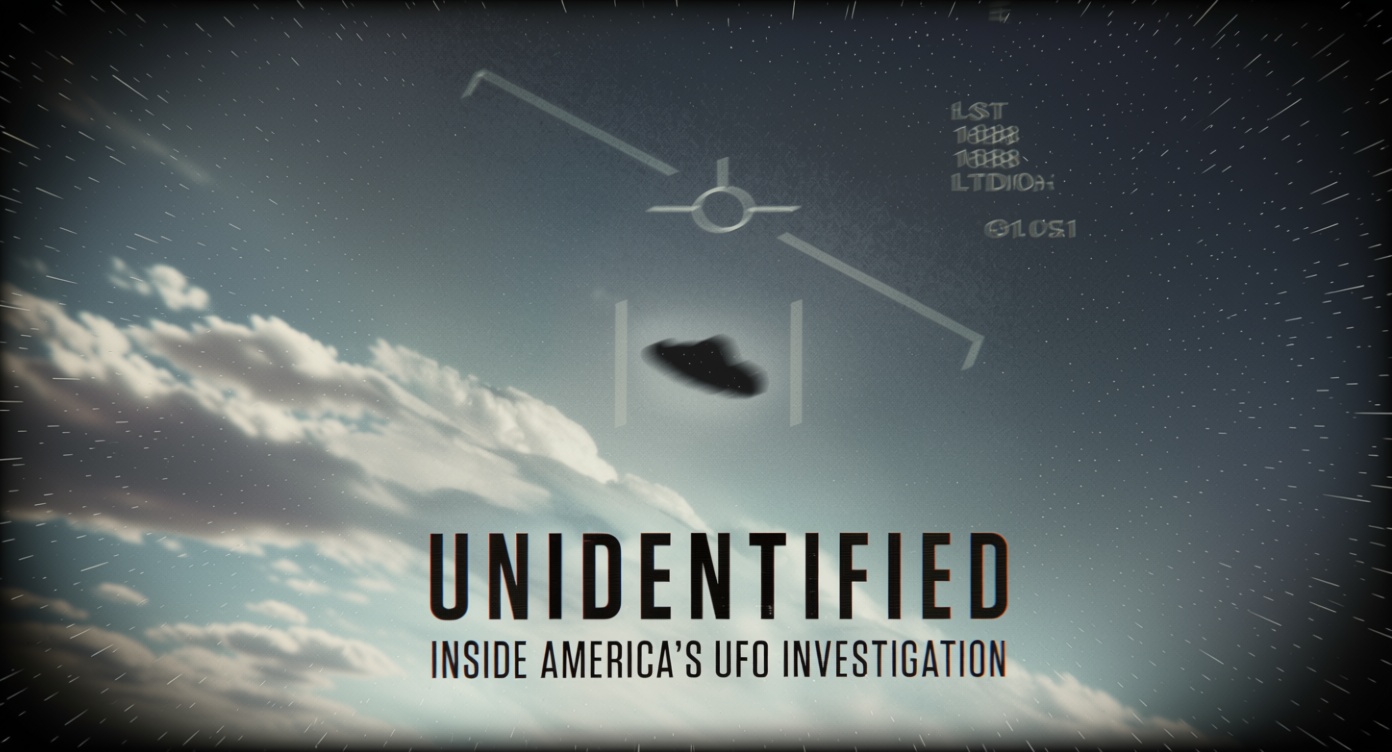
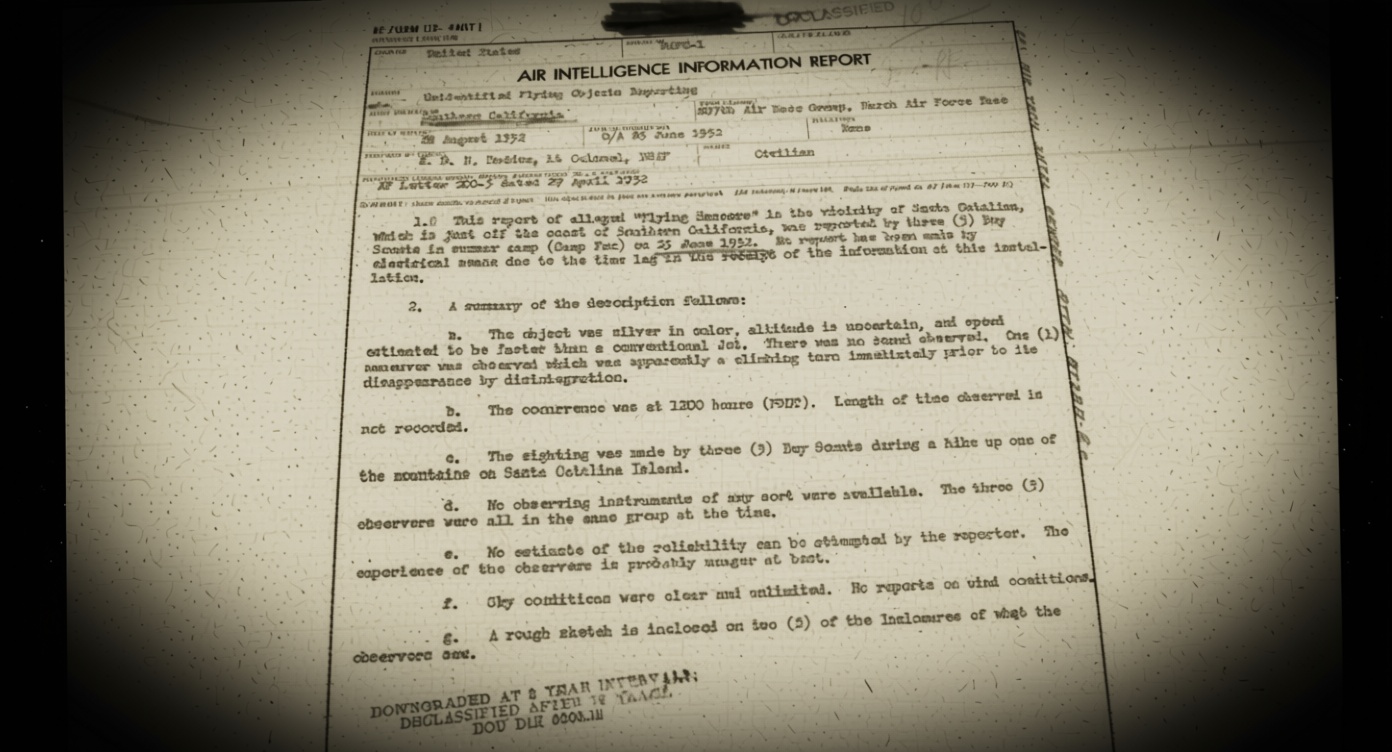
The debate over UFOs, or the more bureaucratic UAP label used by the U.S. government, continues to move between curiosity, skepticism and speculation. Recent declassifications and official reviews have kept the subject in the public eye, while advocates argue that unexplained sightings deserve serious investigation rather than dismissal. The discussion is not only about whether strange objects have been seen, but also about what those sightings actually represent: unknown technology, misidentified aircraft or atmospheric effects, deliberate deception, or something more extraordinary. In the background is a long cultural history that stretches from The X-Files and Roswell lore to older texts and religious interpretations that some believers say can be read as evidence of non-human intelligence.
Competing Explanations
The source material highlights just how broad the interpretive field has become. It cites the late Rev. José Gabriel Funes, the former director of the Vatican Observatory, who said that limiting the possibility of alien life would be like “putting limits on God’s creative freedom.” That view reflects one of several frameworks now used to discuss the issue. Others approach the question scientifically, pointing to the sheer scale of the universe and the probability that life may exist elsewhere. As Carl Sagan wrote in Contact, “The universe is a pretty big place… So if it’s just us… it seems like an awful waste of space.” Yet even supporters of the extraterrestrial hypothesis acknowledge that extraordinary claims require evidence, and so far the public record has not produced definitive proof that any UAP is alien in origin.
Why the Evidence Is So Hard to Read
The central challenge, researchers and defense analysts say, is that not every unexplained sighting is the same kind of case. Military sensors can be fooled by environmental conditions, software glitches, operator error, or electronic warfare. Radar systems can generate false tracks, and modern adversaries have tools that can spoof or jam communications and sensor feeds. That means a report that appears dramatic on a screen may still be misleading. The same problem applies to eyewitness accounts, which can be affected by distance, speed, lighting, and expectations. In practice, investigators are often trying to sort through a mix of genuine anomalies, misperceptions, and technical artifacts without access to all the data needed to make a firm conclusion.
The Nimitz Case Still Shapes the Debate
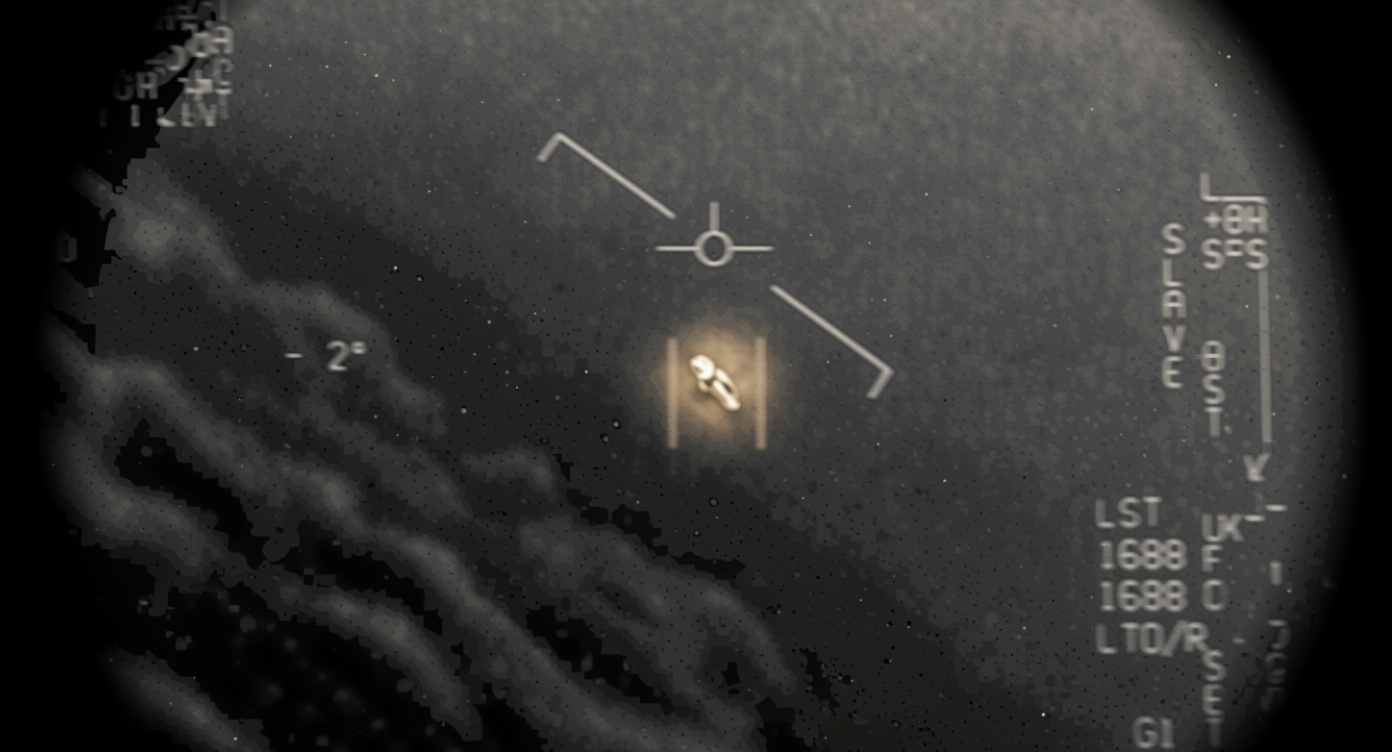
No modern UAP incident has done more to shape the conversation than the 2004 USS Nimitz encounter off the Southern California coast. Navy personnel reported a fast-moving object, and the case later became a touchstone for those arguing that some military encounters defy conventional explanation. At the same time, analysts have noted that complex sensor systems can be manipulated or misread, meaning the evidentiary value of the incident remains contested. That tension is at the heart of the broader UAP debate: the footage and testimony are compelling enough to demand scrutiny, but not always strong enough to support sweeping claims. For that reason, the question remains open — and so does the argument over whether UAPs are real anomalies, mistaken identifications, or something still not fully understood.