Declassified Research Plan
A declassified research plan prepared for the Defense Intelligence Agency (DIA) describes an effort to obtain Brazilian military records concerning a series of alleged UFO encounters on Colares Island in 1977. The incidents reportedly involved unidentified aerial objects directing concentrated beams of light at residents, causing injuries described as radiation-like and, according to the document, some deaths.
The material appears in a section titled “Project Colares” within DOW-UAP-D168 – the BAASS Project Management Plan, dated Dec. 2, 2008. It was released in the seventh tranche of UAP-related documents published under the Presidential Unsealing and Reporting System for UAP Encounters (PURSUE). The plan was produced by Bigelow Aerospace Advanced Space Studies (BAASS) under a DIA contract associated with the Advanced Aerospace Weapon System Applications program.
Project Colares was classified as “technical area 10: Human effects objective,” one of nine major research projects outlined in the plan. Its stated goal was to obtain classified files held by the Brazilian military regarding the reported encounters. The document places the project alongside other alleged UFO-related materials in the release, including an affidavit concerning Roswell and a report alleging that British forces fired rockets at an unidentified object over England.
The 1977 Encounters
According to the BAASS plan, the incidents occurred between June and December 1977 on Colares, a community in Pará state at the mouth of the Amazon River. The island then had approximately 2,000 residents. The document says that “scores of reports” were collected involving objects of varying shapes and sizes, including cigar-shaped and saucer-shaped craft, as well as what it describes as advanced aerospace vehicles.
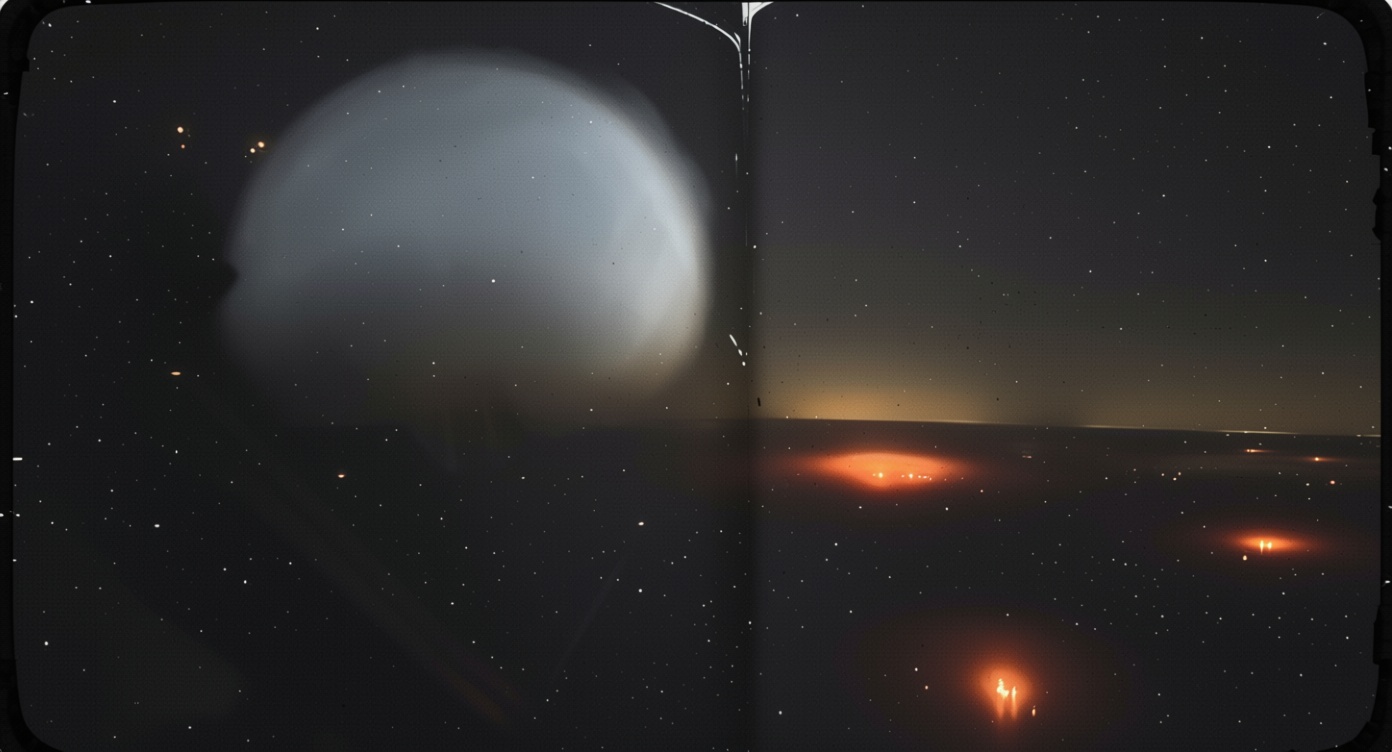
Some objects were reportedly luminous while others were not. Residents allegedly photographed the phenomena and referred to them as “chupa-chupas,” a Portuguese expression commonly translated as “sucker-sucker.” The plan claims that beams of light were directed toward people on the ground and characterizes the encounters as among the most aggressive described in the available UFO literature.
Reported Injuries and Deaths
The document cites an unnamed physician who treated victims on Colares. Her identity was redacted under a privacy exemption, although the plan indicates that BAASS intended to locate and interview her. The physician reportedly said that patients suffered lesions on the face or thoracic area.
The injuries allegedly began with intense reddening of the skin, followed by hair loss and darkening of the affected tissue. The physician reportedly observed little or no pain, only slight warmth, along with small puncture marks. Victims were described as men and women of different ages, with no apparent demographic pattern.
Based on this account, the BAASS plan concludes that many of the reported interactions resulted in injuries and deaths, and states that the events represented a potentially lethal threat. However, the released material is a research and collection plan—not an independent medical investigation—and it does not, by itself, establish the cause of the injuries or verify that unidentified craft were responsible.
Military Context and Unresolved Questions
The Colares reports are closely associated with Operação Prato, a Brazilian Air Force investigation into alleged aerial phenomena in the region. Brazilian military records and later interviews have fueled continuing interest in the case, but interpretations remain disputed. The declassified BAASS document demonstrates that American contractors considered the Brazilian files significant enough to pursue, while offering limited new evidence about what actually occurred.
The release therefore adds context to the U.S. government’s historical interest in international UAP reports, but it does not resolve the central questions surrounding Colares. Further assessment would require authenticated Brazilian records, complete medical documentation, witness testimony, and independent analysis of photographs and other physical evidence.