Overview
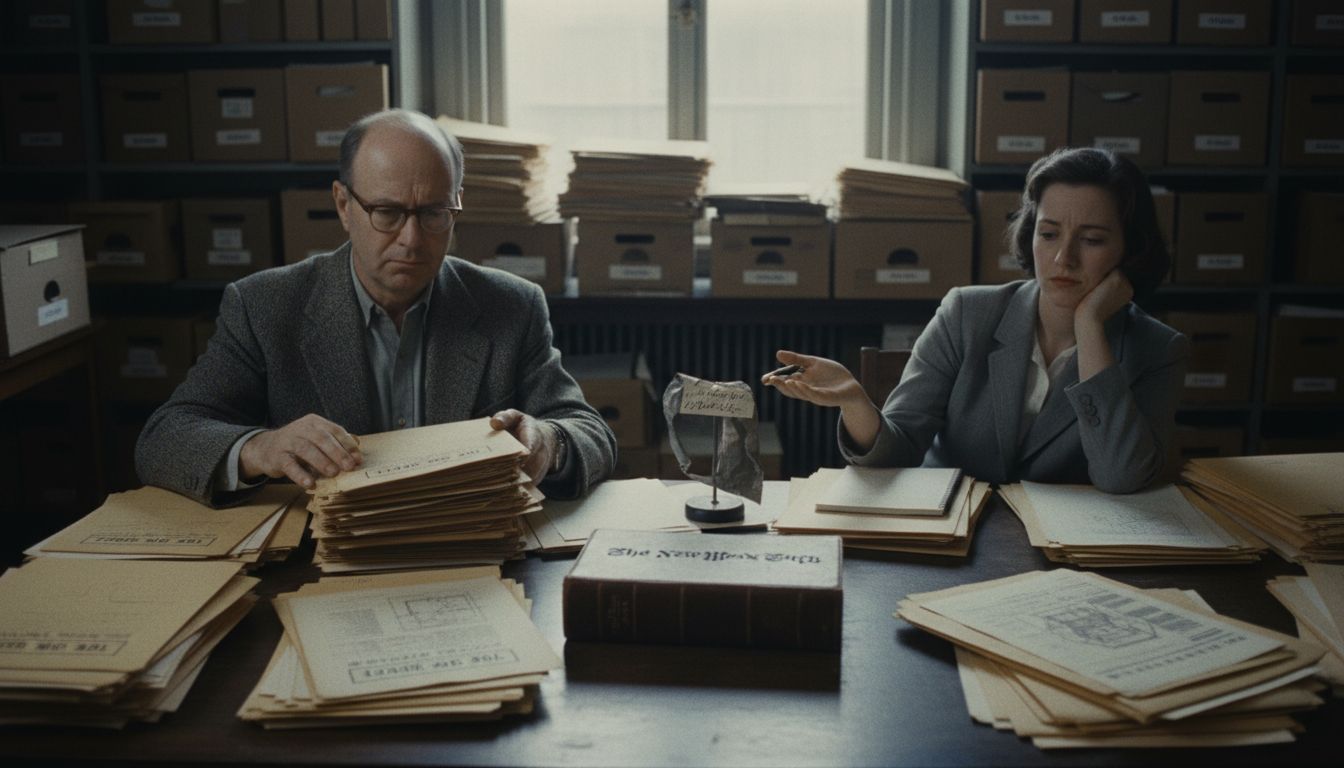
Recently declassified documents tied to the Roswell incident have produced far less drama than UFO enthusiasts had hoped, according to a New York Times report. Instead of uncovering evidence of a long-running government cover-up or confirming the recovery of an alien craft, the papers appear to offer little beyond a reminder that the 1947 mystery remains unresolved. The documents, while newly available to the public, seem to reinforce the long-standing reality that Roswell continues to sit at the intersection of folklore, suspicion, and incomplete historical record.
What the documents appear to show
The Times report suggests that the newly released material is underwhelming rather than revelatory. Rather than containing clear new evidence about what happened near Roswell, New Mexico, the papers largely fail to move the story forward in any meaningful way. That outcome is notable because declassified government files on UFOs often generate expectations of a breakthrough, especially in cases as enduring and culturally significant as Roswell. But in this instance, the material appears to have done little more than preserve the ambiguity that has surrounded the case for decades.
Why Roswell still matters
Roswell remains one of the most famous events in UFO history because it became a defining test of public trust in government explanations. The original 1947 incident spawned decades of speculation, with believers arguing that officials concealed the recovery of an extraterrestrial craft and skeptics maintaining that the episode was tied to more mundane military activity. Over time, the incident grew far beyond the facts that were initially available, becoming a symbol of the broader tension between secrecy and disclosure in national security matters. The new documents, by failing to deliver a dramatic reveal, underscore how deeply the Roswell story has been shaped by what is still unknown.
A case built as much on expectation as evidence
What makes these declassified records notable is not necessarily what they say, but what they do not. According to the report, they do not appear to contain the kind of smoking-gun evidence that believers have long sought. That lack of a decisive answer may frustrate some, but it also reflects a recurring pattern in UFO-related disclosures: documents often illuminate bureaucratic processes, internal confusion, or historical context, yet stop short of validating the most sensational claims. In that sense, the Roswell files fit a familiar pattern of revealing the limits of the record rather than confirming a hidden truth.
The larger takeaway
For researchers, historians, and UFO watchers, the latest release serves as another reminder that Roswell’s power lies in its unresolved status. Each new batch of records tends to revive public interest, but few have dramatically altered the basic contours of the debate. The Times’ assessment suggests that this release is no exception. Instead of settling the question, the documents leave the central mystery intact—supporting neither dramatic alien theories nor a fully satisfying official explanation. In the end, the declassified material appears to tell us less about what happened in 1947 than about how enduring the Roswell legend has become.