Overview
The future of ongoing U.S. investigations into unidentified anomalous phenomena (UAP), commonly known as UFOs, could depend on the outcome of the November midterm elections, according to a recent report by Ask a Pol UAP. The publication said Democrats have not publicly detailed whether they would preserve, restructure or end current congressional efforts if they regain control of the House.
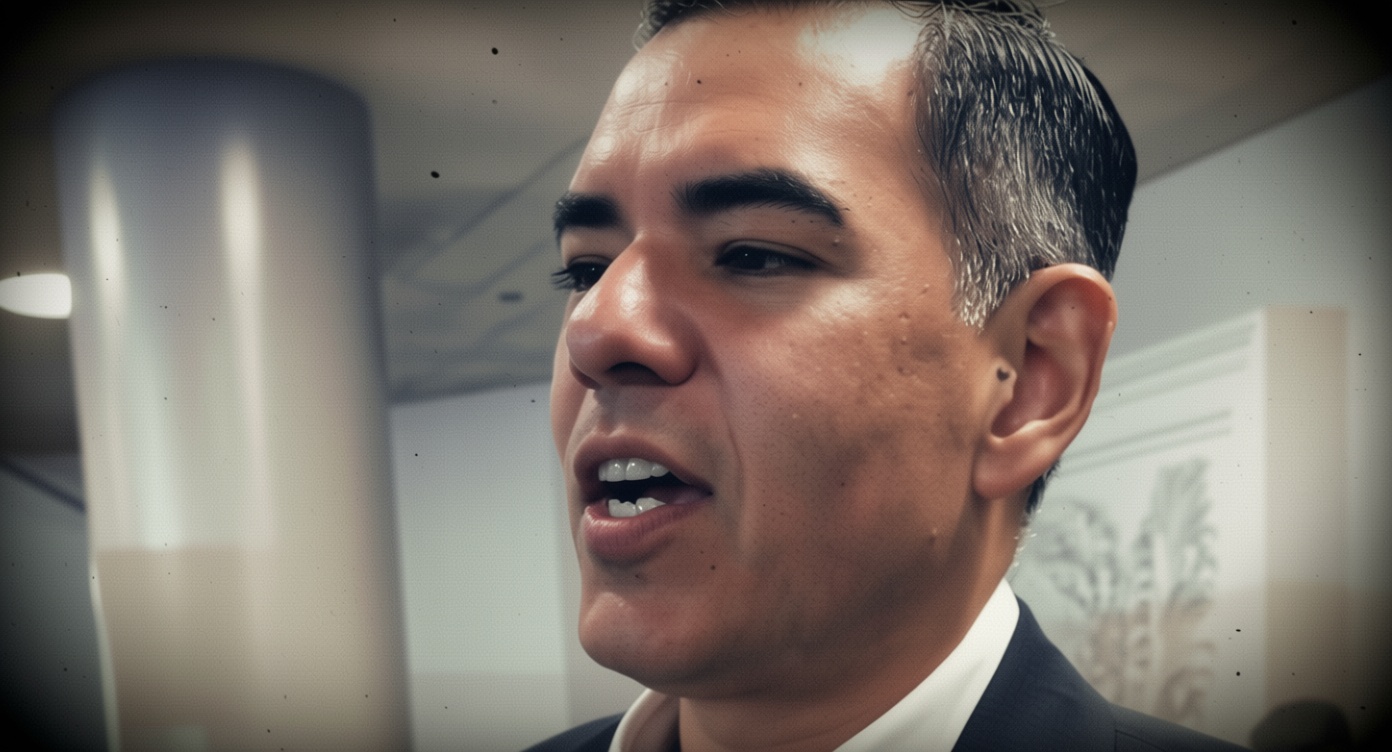
The report, published Sept. 25, 2026, focuses on comments from Rep. Robert Garcia (D-Calif.), the ranking Democrat on the House Oversight Committee and a former ranking member of the panel’s Task Force on the Declassification of Federal Secrets. Garcia was asked what would happen to the task force if Democrats captured the House majority. His response suggested that decisions about the panel—and potentially other UAP-related investigative efforts—would come only after the election.
Garcia’s Response
“We want to win first,” Garcia told Ask a Pol UAP. “I think that once that happens … we’ll make decisions about what the subcommittees will be and what the task forces will be and what we keep.”
Garcia added that the process would involve negotiations, saying he wanted to ensure that House Democratic Leader Hakeem Jeffries and other party leaders were involved in determining the committee structure. The available source material ends before the full statement is provided, leaving unclear what specific role Garcia envisions for the declassification task force or UAP investigations under a Democratic majority.
The interview also included a moment of confusion over the task force’s informal name. When asked about the “Secrets Task Force,” Garcia initially questioned what the interviewer meant before an aide clarified the reference. The publication noted that the panel is formally known as the Task Force on the Declassification of Federal Secrets, a name it has used in previous coverage and interviews with Garcia.
What Remains Unclear
The exchange does not establish that Democrats intend to terminate UAP investigations. Rather, it indicates that no final public plan has been presented for the task force or related oversight activities in the event of an electoral transition. Committee assignments, subcommittee jurisdictions and investigative priorities are typically negotiated after party control is determined, and those decisions can affect the scope and continuity of congressional inquiries.
That uncertainty is significant because UAP oversight has involved multiple institutions, including congressional committees, the Department of Defense and intelligence agencies. Investigations may also be shaped by statutory requirements, classified-information rules and annual defense legislation, meaning a change in House leadership would not automatically end every federal UAP-related effort.
Broader Context
The report provides no evidence that Democratic leaders have adopted a formal position to either expand or dismantle the government’s UAP investigations. It also does not include a party platform, official statement from Jeffries or a detailed proposal from Garcia outlining future priorities. The central takeaway is therefore political uncertainty, not a confirmed policy shift.
Until the November elections are decided and committee leadership is negotiated, the direction of congressional UAP oversight remains unsettled. Garcia’s remarks suggest that any continuation, reorganization or termination of existing task forces would likely be determined through the broader process of assigning committee responsibilities and setting the new majority’s investigative agenda.