Overview
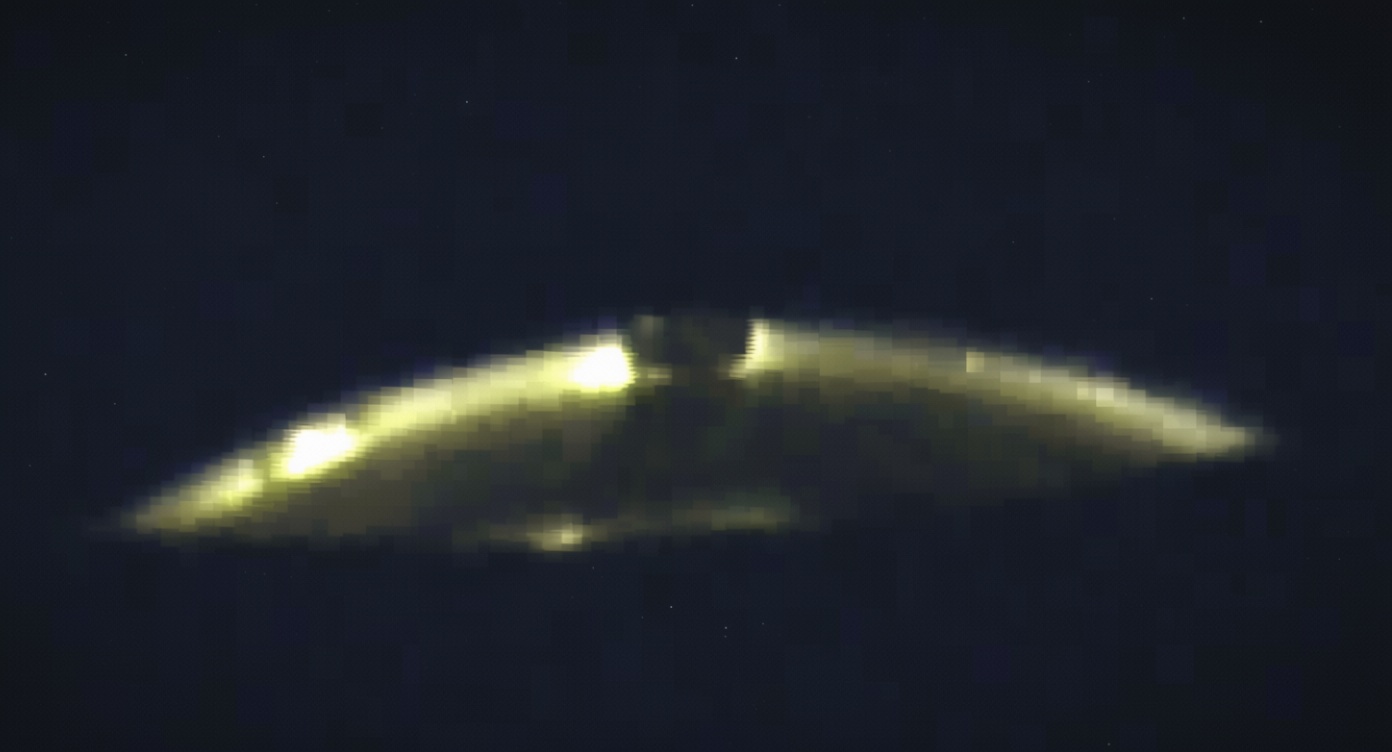
The U.S. Department of War has announced the seventh release of files concerning unidentified anomalous phenomena (UAP), according to a notice published on the department’s official website. The announcement identifies the release as part of an ongoing series of disclosures but provides no additional information about the records made available, the cases they concern, or the date on which the underlying incidents occurred.
The notice, titled “Department of War Publishes Seventh Release of Unidentified Anomalous Phenomena Files,” appears in the department’s online news-release section. It directs visitors to the agency’s official website and social-media channels, but the material supplied with the announcement contains no statement from department officials and no description of the files themselves.
What the Release Contains
Based on the published item, the release is characterized only as the seventh installment of UAP-related records. The announcement does not specify whether the files include photographs, videos, radar data, pilot reports, intelligence assessments, investigative summaries, or other government documentation. It also does not identify how many documents or media files are included.
The available source material likewise does not explain whether the records are newly declassified, previously withheld, or being republished from another government archive. No information is provided about redactions, classification reviews, privacy protections, or the agencies that may have collected or analyzed the material.
Significance and Context
UAP is the government’s current term for observations involving objects or events that have not been immediately identified. The term is broader than “flying saucer” or extraterrestrial spacecraft and can include airborne objects, sensor readings, atmospheric effects, drones, or other phenomena that require further examination. An unresolved observation, by itself, does not establish an extraordinary origin.
Government releases of UAP records have drawn attention because they can offer insight into how military and intelligence agencies evaluate unusual reports, particularly when those reports involve restricted airspace, aviation safety, or potential foreign surveillance technology. At the same time, the evidentiary value of any release depends on the quality of the underlying data, the chain of custody, the completeness of the records, and whether independent analysts can assess the material.
What Remains Unclear
The announcement does not say whether the seventh release adds to an existing public archive or represents a new disclosure policy. It also does not provide links in the supplied text to individual documents, case summaries, images, or videos. As a result, the contents and potential importance of the release cannot be independently assessed from the announcement alone.
Further clarification would be needed to determine the scope of the files, the incidents involved, and any conclusions reached by government investigators. Until those details are published, the release confirms only that a seventh set of UAP-related records has been announced—not that the files contain evidence of extraterrestrial activity or any other extraordinary explanation.