Overview
A new batch of Disclosure Day concept art is giving audiences an early look at how Steven Spielberg’s upcoming sci-fi film may be shaping its extraterrestrial world. The artwork, released by concept artists Jules Darriulat and Daniel Baker, highlights early visual development for the film’s aliens, their technology, and the mysterious UAPs featured in the story. While the final designs have not yet been publicly revealed in full, the concept art offers a rare glimpse into the creative decisions that guide a major effects-driven production long before anything reaches the screen.
Early Alien and UAP Designs
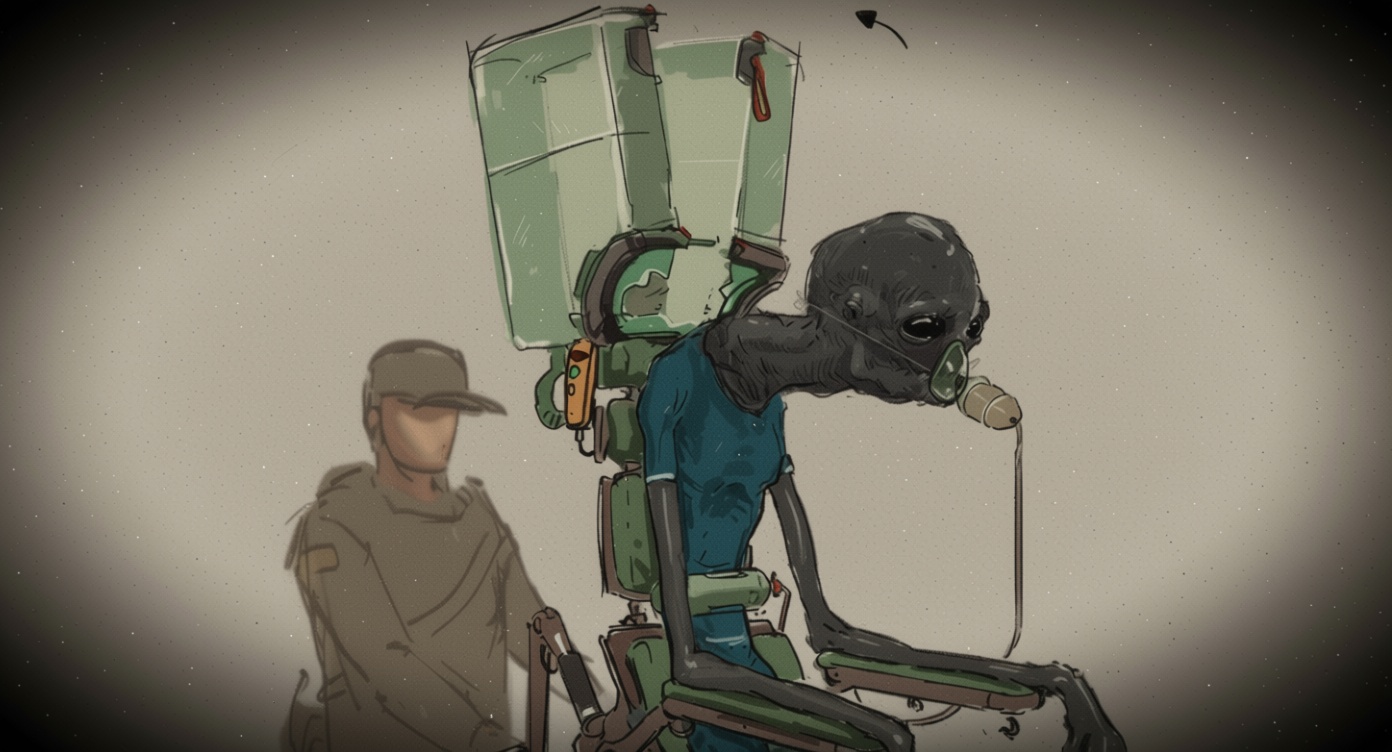
The newly shared material suggests that the film’s visual identity went through a substantial period of exploration. According to the report, the artists’ selections include early Alien designs, as well as concepts for an exoskeleton, a wheelchair, and various UAP forms tied to the project’s otherworldly elements. In film production, such concept art often serves as a visual test bed, helping filmmakers and effects teams determine how a creature, machine, or vehicle should function within the story and how it will appear in relation to the film’s tone and setting.
What stands out in this release is the breadth of ideas being examined. Rather than presenting a single final look, the artwork shows that the production appears to have experimented with multiple interpretations of both the aliens and their craft. That process is especially important in a film centered on first contact or extraterrestrial phenomena, where every design choice can shape how believable, threatening, or emotionally resonant the creatures feel to the audience.
Creative Development Behind the Film
The concept art also underscores the collaborative nature of large-scale science fiction filmmaking. Jules Darriulat noted that he briefly worked alongside the Framestore Art Department while developing early ideas for the project, indicating that the visuals were built through a broader design pipeline rather than by a single artist working in isolation. Framestore’s involvement points to the likely integration of concept art with visual effects planning, an essential step in preparing creatures and craft for eventual on-screen realization.
In productions like Disclosure Day, concept art is often more than just illustration. It becomes a blueprint for departments across the film, influencing costume construction, creature effects, digital animation, and even production design. The reveal of these early-stage pieces suggests the filmmakers were actively refining how the alien presence should be perceived, whether through biological details, mechanical interfaces, or the shape and movement of aerial craft.
What the Reveal Suggests
For followers of sci-fi production news, the release is significant not because it confirms the final appearance of the film’s aliens, but because it reveals how much thought goes into getting there. Early concept art can show discarded ideas, hybrid designs, and visual experiments that never make it to the finished cut, yet still play a crucial role in defining the film’s world. In that sense, the Disclosure Day artwork offers a meaningful behind-the-scenes look at the creative process rather than a marketing-driven reveal.
As more material emerges, the artwork may help clarify how Spielberg’s film balances mystery, spectacle, and emotional storytelling. For now, the concept designs point to a production still in the careful process of visual refinement, with the film’s extraterrestrial beings and UAPs continuing to evolve from sketch to screen.