Overview
For decades, Steven Spielberg has been one of Hollywood’s most influential storytellers on the subject of extraterrestrials, turning ideas about aliens, UFOs, and first contact into some of the most enduring films in modern cinema. DW’s “Disclosure Day” revisits that fascination and places it in a wider cultural moment, where what was once treated as pure science fiction is increasingly discussed in public institutions, the media, and even government hearings. The piece suggests that for Spielberg, aliens have never been just a cinematic device; they are part of a larger human question about whether we are alone in the universe.
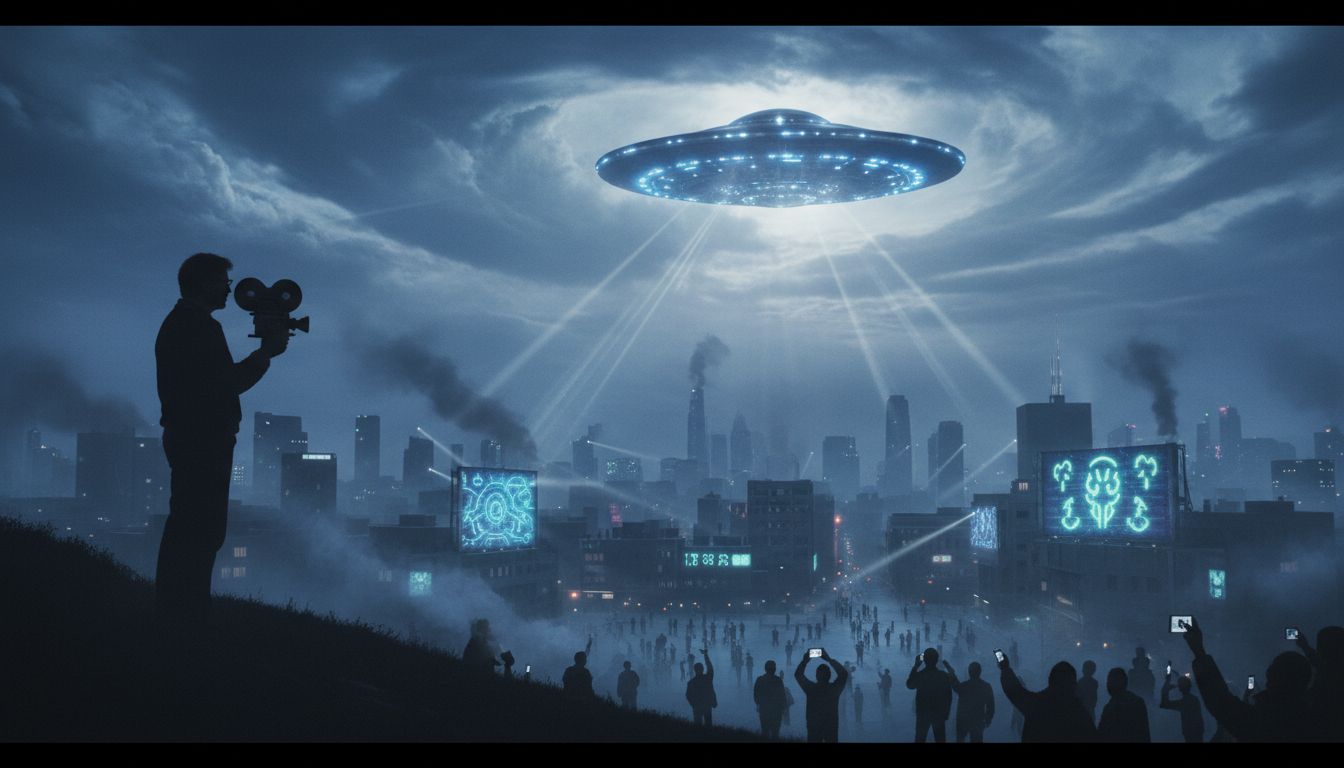
Spielberg’s films have long reflected that tension between wonder and uncertainty. From “Close Encounters of the Third Kind” to “E.T. the Extra-Terrestrial,” his work helped shape how generations imagined contact with another intelligence. Rather than presenting extraterrestrials as simple threats, Spielberg often portrayed them as mysterious, emotional, and transformative figures. That perspective helped move alien narratives away from cheap spectacle and into the realm of serious cultural conversation, where curiosity can matter as much as fear.
Aliens Beyond Fiction
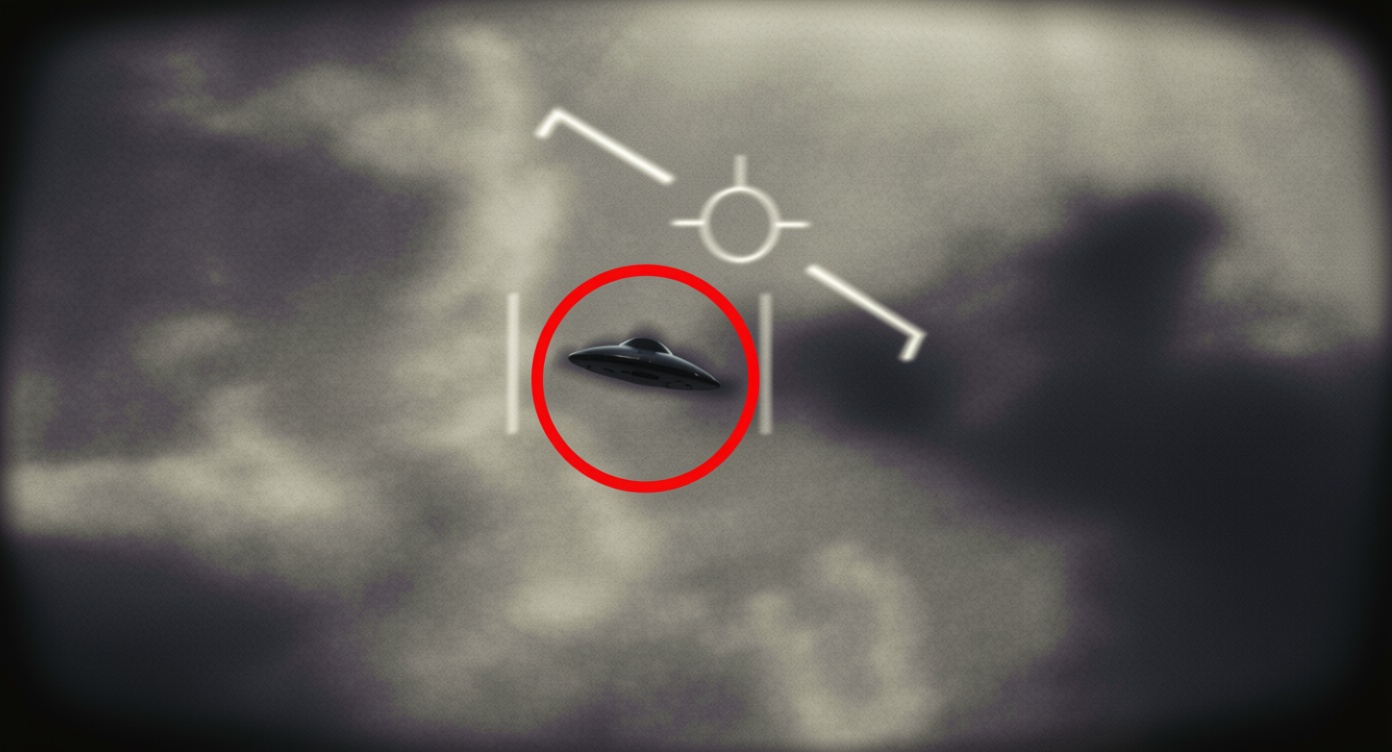
What makes the DW framing notable is its emphasis on how the alien question has expanded beyond film and television. In recent years, UFOs—now often referred to as UAPs, or unidentified anomalous phenomena—have entered mainstream discourse through official reports, military footage, and congressional scrutiny. The shift has given new relevance to a topic long associated with entertainment and fringe speculation. In that environment, Spielberg’s body of work can be seen not just as fantasy, but as an early reflection of questions now being asked in more sober settings.
The article appears to position “Disclosure Day” as part of this broader reevaluation. Rather than asking whether aliens make for good movie material, the discussion centers on what happens when the possibility of nonhuman intelligence becomes a legitimate subject of public debate. That change matters because it blurs the line between culture and policy: the same ideas once confined to blockbuster storytelling are now discussed alongside transparency, national security, and scientific inquiry.
Spielberg’s Cultural Role
Spielberg’s influence is especially important because he helped normalize emotional seriousness around extraterrestrial life. His films often suggest that contact with the unknown would not simply be a scientific event, but a deeply human one—something that would challenge ideas about trust, knowledge, and our place in the cosmos. That approach resonates strongly now, as the public is increasingly exposed to official uncertainty and fragmented disclosures about unexplained aerial phenomena.
In that sense, DW’s piece is less about nostalgia than relevance. Spielberg’s fascination with aliens endures because it speaks to an enduring public curiosity: if something is out there, what would it mean for us? The question remains unresolved, but it is no longer confined to movie theaters. As governments release limited information and researchers continue to probe unexplained cases, the subject has moved into a space where fiction, evidence, and speculation increasingly overlap.
A Larger Conversation
The continued popularity of Spielberg’s alien stories underscores why the subject remains so powerful. They offer wonder without abandoning emotional realism, and they reflect a public appetite for narratives that take the unknown seriously. DW’s “Disclosure Day” captures that shift well, showing how Spielberg’s legacy now sits at the intersection of entertainment and one of the most persistent mysteries in contemporary debate.
For viewers and readers alike, the takeaway is clear: aliens are no longer only a matter for science fiction. Whether through cinema, journalism, or official disclosure efforts, the conversation has moved into the mainstream—and Spielberg’s work remains one of its most recognizable reference points.