Overview
A recent blog analysis has drawn a sharp contrast between fictional disclosure and the slower, more limited transparency efforts unfolding in the real world of UAP reporting. In the piece, the author uses Steven Spielberg’s newly released film, Disclosure Day, as a lens to examine what the public says it wants from government disclosure — and how far official releases remain from those expectations. The timing was notable: the film’s opening weekend coincided with the third in a series of recent government “UFO Files” drops, yet the blog argues that the movie, not the documents, captured public attention.
The post describes Disclosure Day as arriving at a moment when curiosity about extraterrestrials, crash retrievals, and hidden footage is unusually high. According to the author, the film’s $93 million global opening weekend suggests there is a broad appetite for a more direct, cinematic version of disclosure — one that provides the “crash videos,” Roswell-style revelations, and physical evidence that many believe must already exist. By contrast, the government’s recent releases have largely consisted of grainy, ambiguous footage that has done little to resolve public uncertainty.
Fiction as a Stand-In for Transparency
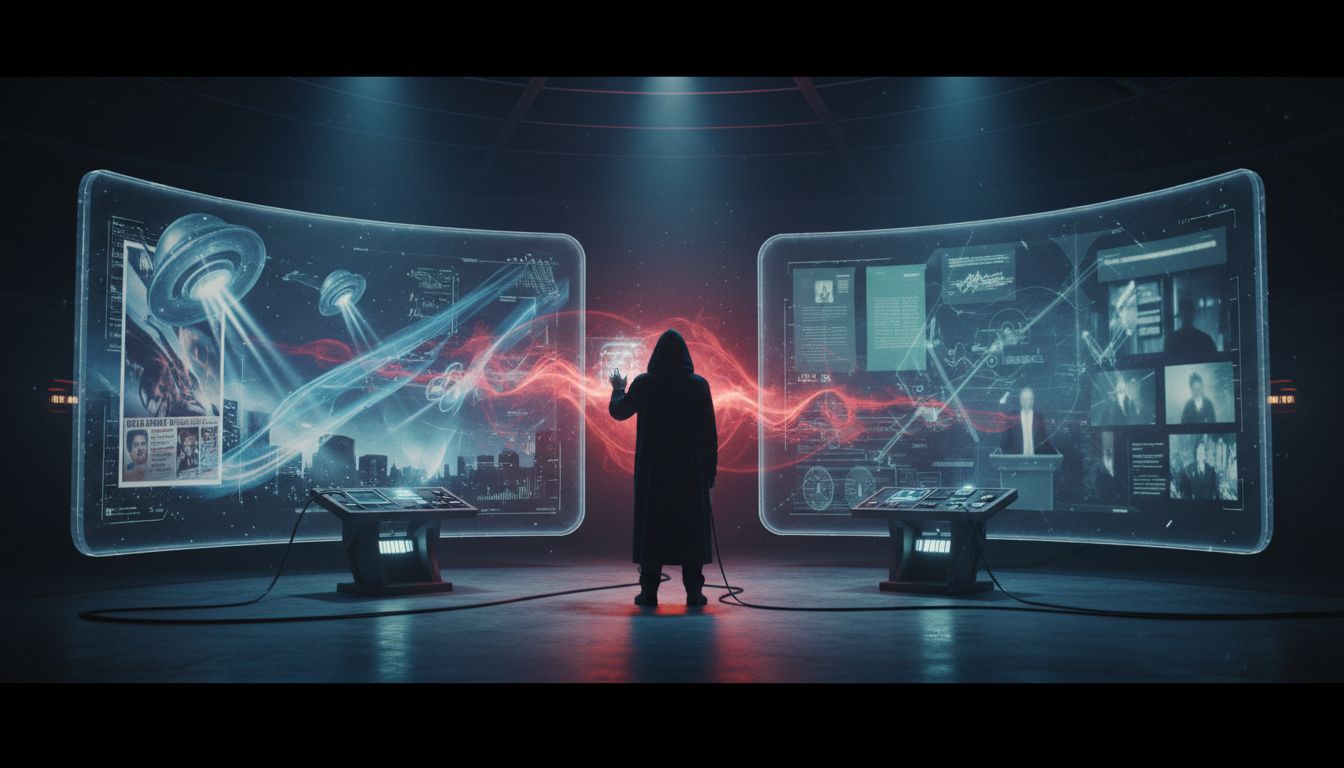
The blog’s central argument is that Hollywood may be filling a vacuum left by official institutions. While the government’s file drops have been incremental and tightly managed, Disclosure Day delivers the kind of material many people feel they have been denied: a fuller depiction of contact, evidence, and the emotional consequences of learning that humanity may not be alone. The author suggests that the film functions as a kind of “people’s disclosure” — not because it is literal truth, but because it reflects the emotional and informational clarity audiences are seeking.
At the same time, the post warns that disclosure on screen is not the same as disclosure in public policy. The movie’s more dramatic imagery, the author notes, is a reminder that people often imagine transparency as a single revelatory moment, when in reality government communication tends to be fragmented, cautious, and often inconclusive. That gap between expectation and delivery remains one of the biggest challenges in the broader UAP conversation.
Experiencer Narratives and Public Reaction
Beyond the policy question, the blog also highlights how Disclosure Day engages with experiencer accounts, including abduction scenarios and childhood encounters. The author says the film did not mirror their own experience exactly, but still captured the mix of wonder, fear, and later understanding that many experiencers describe. In the piece, the writer reflects on an early childhood event and suggests that the film prompted them to reconsider a later, smaller encounter as well.
That personal response underscores one of the article’s more important themes: public disclosure is not only about data and documents, but also about how people interpret their own experiences. For many, the conversation about UAPs is inseparable from memory, trauma, and meaning-making — subjects that official releases rarely address.
Faith, Philosophy, and the Limits of Official Disclosure
The blog also praises the film for tackling the religious implications of contact, arguing that the question is not necessarily whether faith will collapse, but how people reconcile belief with the possibility of intelligence beyond Earth. The author draws a parallel to Carl Sagan’s well-known thinking in Contact, where the scale of the universe suggests that intelligent life would be unsurprising rather than destabilizing.
Ultimately, the piece argues that real disclosure remains incomplete because it has not yet provided the clarity, context, or humanity that audiences expect. The government may continue to release files, but for now, the author suggests, it is fiction that is doing much of the work of shaping the public imagination — and exposing how much truth people still feel is missing from the official record.