Overview
The documentary On the Trail of UFOs: The Disclosure Era, directed by Seth Breedlove, examines reports of unidentified aerial phenomena (UAP) made by police officers and other law-enforcement personnel. Rather than presenting the cases as proof of extraterrestrial activity, the film focuses on the value of contemporaneous reports, the importance of careful evidence collection, and the professional consequences faced by officers who describe unexplained events.
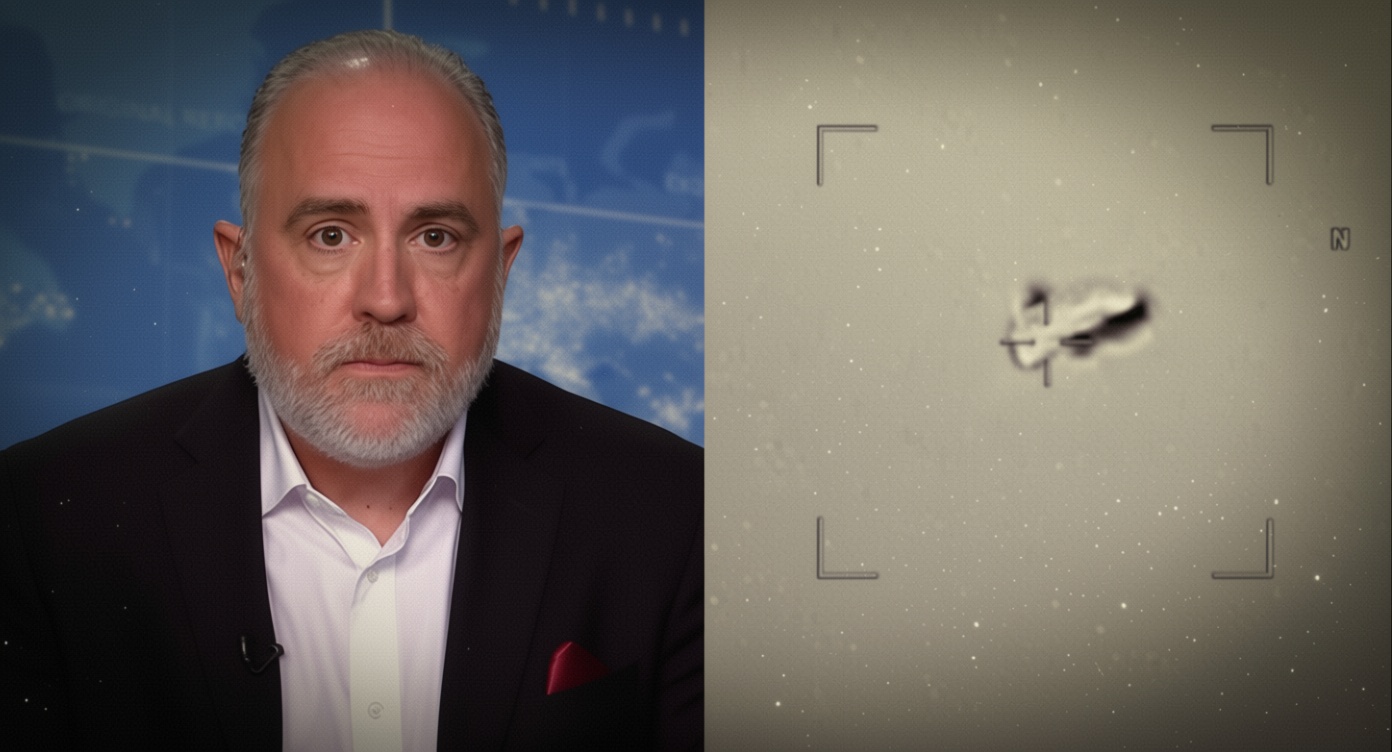
Narrated and investigated by Shannon LeGro, the documentary argues that police officers may be particularly valuable witnesses because their training requires them to estimate distances, record physical descriptions, and document events under pressure. Researchers including Micah Hanks, Aaron Deese, and Thomas Wertman of the Mutual UFO Network (MUFON) discuss the difficulty of obtaining official records, including dashboard-camera footage and dispatch communications. The film also contends that ridicule and institutional skepticism have discouraged some officers from reporting unusual observations.
The Portage County Chase
The documentary’s central historical case is the April 17, 1966, UFO chase in Portage County, Ohio. Deputy Dale Spaur and his partner, Barney Neff, were investigating a suspicious vehicle near Ravenna when they reported seeing a bright, football-shaped object estimated to be 35 to 50 feet wide. According to the film, dispatch instructed the officers to follow the object, leading to an approximately 86-mile pursuit that crossed into Pennsylvania.
Spaur and Neff described a bright object capable of unusual movements and producing a hum similar to an electric generator. Marilyn Messner, who was 14 at the time, provides corroborating testimony in the documentary, recalling a red, disk-shaped light moving slowly above a treeline. Air Force officials later disputed the officers’ interpretation. Major Hector Quintanilla, then associated with Project Blue Book, attributed the sighting to a combination of a satellite and the planet Venus.
The film portrays the aftermath as especially damaging to Spaur, who reportedly faced ridicule and professional strain before resigning from law enforcement. Neff largely declined to discuss the incident publicly. The documentary presents their experiences as an example of what it calls the “silent burden” carried by witnesses whose observations cannot be readily explained.
Earlier Cases and Institutional Stigma
Other cases receive similar treatment. In 1964, Socorro, New Mexico, Sergeant Lonnie Zamora reported seeing an egg-shaped craft on landing legs, along with two figures in white coveralls. Investigators documented alleged landing marks and scorched vegetation, but Zamora later left police work. In 1973, Falkville, Alabama, Police Chief Jeff Greenhaw photographed what he described as a reflective, humanoid figure. The documentary says Greenhaw subsequently faced threats, the destruction of his home under unclear circumstances, and pressure that contributed to his resignation.
The film connects these historical accounts to modern concerns, including testimony from whistleblower Dylan Borland before Congress in 2024. Borland described alleged workplace harassment and career obstruction after attempting to report unexplained phenomena in classified settings. The documentary also includes dispatch and officer radio recordings from a 2023 Las Vegas response to reports of a possible crash, as well as the Portage County audio and other archival material.
A Changing Approach
The documentary concludes that the stigma surrounding UAP reports remains significant, but institutional attitudes may be changing. It references an 11-page guide issued by the Major City Chiefs Association, which represents major police departments in the United States and Canada, advising officers on assessing and reporting possible UAP-related threats to public safety and national security.
The film does not establish what the reported objects were. Instead, it argues that the strongest documented issue is the human cost of reporting unexplained events. Its central question is not whether every sighting represents advanced technology, but whether credible witnesses can report unusual observations without risking their careers, reputations, or personal safety.