Overview
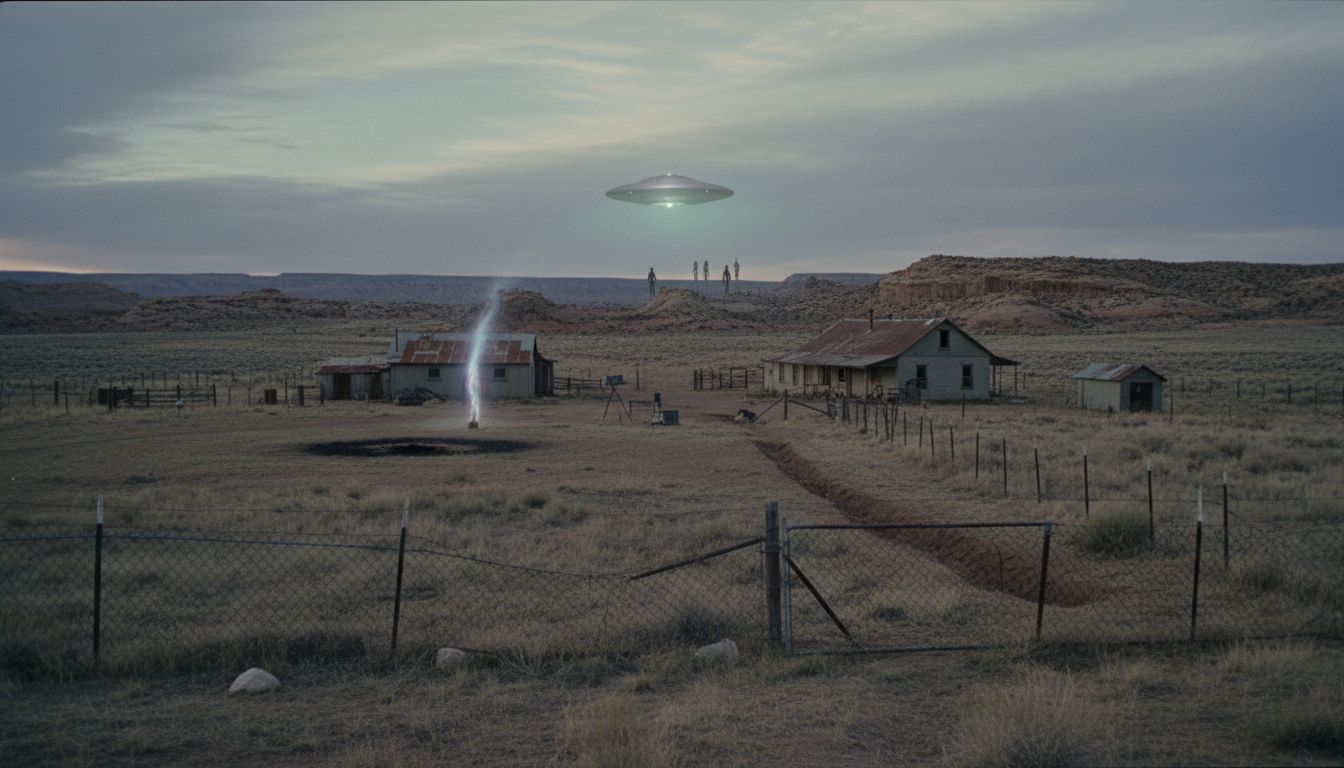
The documentary “Hunt for the Skinwalker” revisits one of the most enduring and controversial mystery sites in modern paranormal lore: a Utah ranch long associated with reports of UFO sightings, bizarre creatures, poltergeist-like activity, electromagnetic disturbances and unexplained shape-shifting entities. Drawing from years of accounts tied to the property, the film explores why the location has become a touchstone for believers in unexplained phenomena and a cautionary example for skeptics who argue that extraordinary claims often outpace evidence.
At the center of the story is the ranch itself, which gained notoriety after multiple witnesses claimed to observe phenomena that seemed to defy conventional explanation. Among the recurring accounts are reports of strange lights in the sky, animals behaving unusually, equipment malfunctioning without clear cause and figures described in terms that echo Skinwalker legends from Navajo folklore. The documentary uses those reports to frame a broader question that has followed the site for decades: whether the events represent a genuine anomaly, a misinterpretation of ordinary occurrences or a mix of both.
Investigators and Mainstream Attention
A significant portion of the documentary focuses on researchers Dr. Colm Kelleher and Robert Bigelow, whose involvement helped move the ranch from fringe curiosity into a more mainstream conversation about unexplained phenomena. Bigelow, a businessman with a long-standing interest in the paranormal, supported investigations on and around the property, while Kelleher helped document and analyze reported incidents. Their work is often cited as one of the reasons the ranch became widely known beyond UFO circles.
The film underscores that this attention did not settle the debate; if anything, it intensified it. Supporters of the investigations argue that repeated claims from observers warranted serious study and that dismissing the site outright would ignore a collection of experiences that do not fit neatly into ordinary categories. Critics, however, note that many of the reports are anecdotal, difficult to verify independently and vulnerable to exaggeration after years of retelling. That tension—between investigation and skepticism—is central to the documentary’s narrative.
Folklore, Science and Continuing Debate
One of the documentary’s most compelling elements is its connection to Navajo folklore, particularly the concept of the Skinwalker, a shape-shifting figure associated with dark or dangerous magic in some Indigenous traditions. By linking the ranch’s modern reputation to older cultural narratives, the film suggests that the site’s mystery may be rooted in a combination of local history, folklore and contemporary claims of paranormal activity. At the same time, the documentary must navigate the sensitivity of using Indigenous beliefs in a broader entertainment and investigative context.
Ultimately, “Hunt for the Skinwalker” is less about proving one theory than about presenting a mystery that has resisted easy answers. The documentary portrays the ranch as a place where unusual reports have accumulated over time, drawing scientists, investigators and curious observers into a continuing search for explanations. Whether the phenomena are genuine, misunderstood or embellished remains unresolved—but the film makes clear that the story’s persistence is part of what keeps the Utah ranch firmly in the public imagination.