Overview
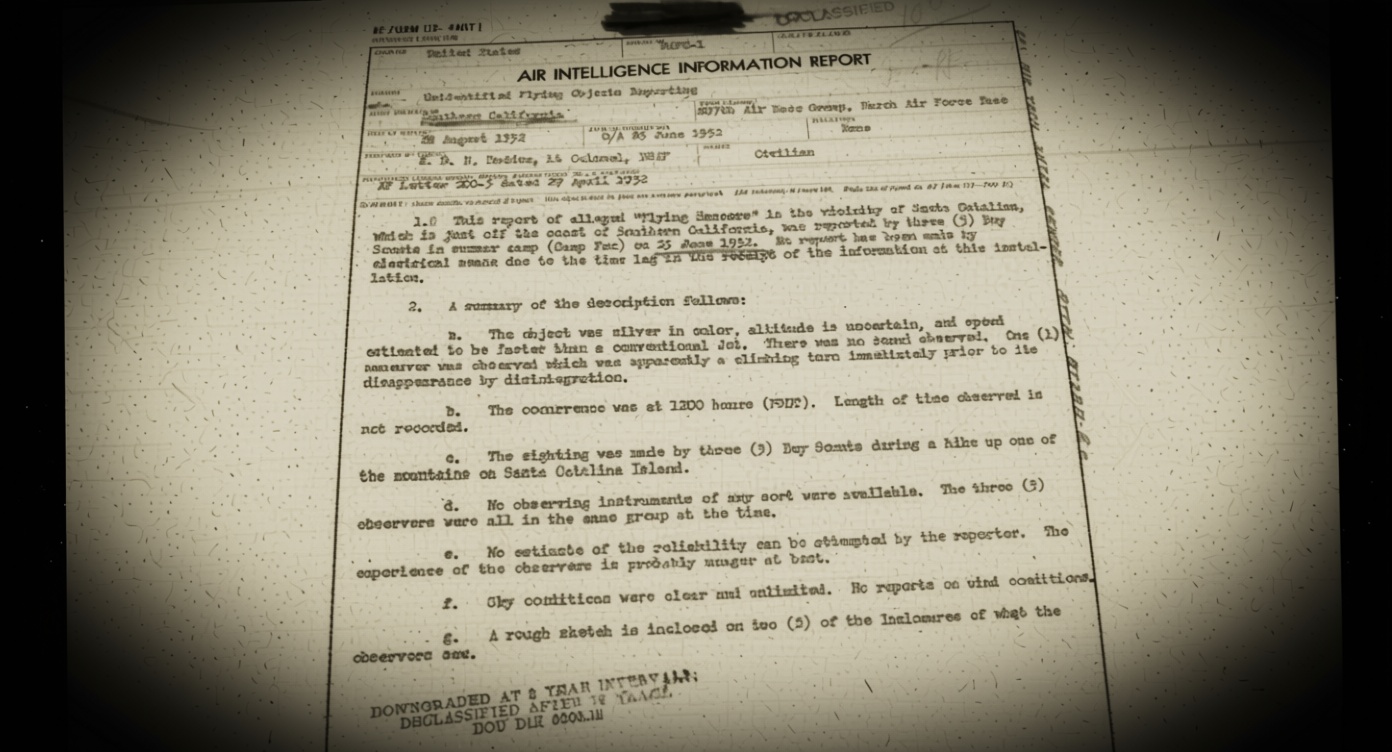
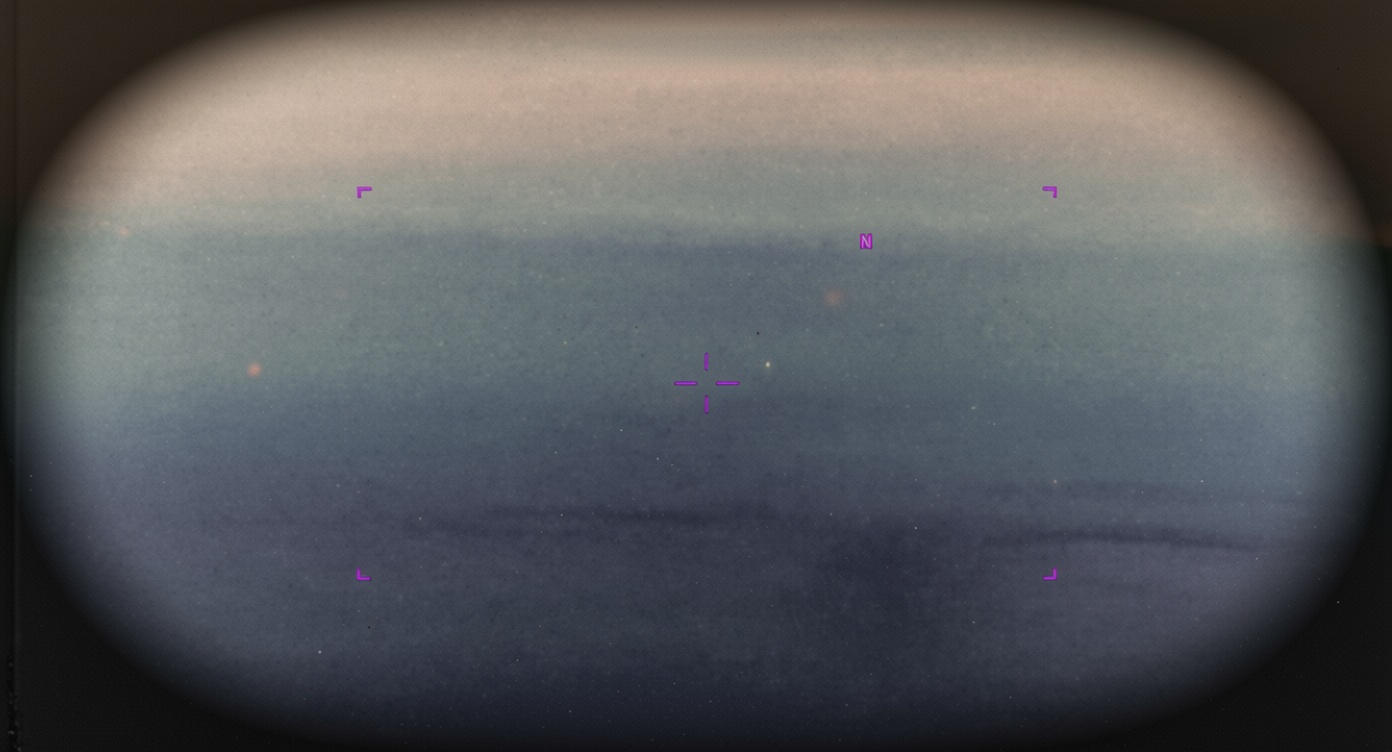
A newly posted DVIDS video identifies DOW-UAP-PR48 as an unresolved UAP report associated with U.S. Indo-Pacific Command (INDOPACOM) in 2024, underscoring how the military continues to document and catalog unexplained aerial or transmedium observations even when no definitive explanation is available. The listing indicates that the case has been preserved for review, but the object itself remains unidentified based on the information made public. While the available source material is limited, the posting adds to a growing body of defense-related UAP records that are increasingly being handled through formal channels rather than treated as anecdotal sightings.
What the record shows
The source appears on DVIDS, the Defense Visual Information Distribution Service, which serves as the U.S. military’s official platform for distributing video, images, and news content. In this instance, the item is labeled “DOW-UAP-PR48, Unresolved UAP Report, INDOPACOM, 2024,” signaling that it is part of a structured reporting process rather than an isolated media upload. The summary provided with the video says the material presents the case for review, but does not offer any technical analysis, sensor data, location details, or conclusion about the object’s origin. That absence of specifics is notable: the case remains officially unresolved, and no public explanation is attached to the entry.
Context around INDOPACOM and UAP reporting
The association with INDOPACOM is significant because the command oversees a vast and strategically important region that includes the Indo-Pacific, one of the world’s busiest military and commercial air and sea corridors. In such an environment, unexplained observations can raise operational concerns even when they do not pose an immediate threat. UAP reporting in the U.S. defense community has evolved substantially in recent years, with greater emphasis on documentation, standardization, and reducing stigma around reporting unusual encounters. Cases like DOW-UAP-PR48 reflect that shift: the priority is not speculation, but collection, analysis, and review.
Why unresolved cases matter
Unresolved does not necessarily mean extraordinary. In defense reporting, it often means that the available evidence was insufficient to identify the object with confidence. That could result from limited sensor coverage, brief visual contact, environmental conditions, or the lack of corroborating data. Still, the military’s decision to formally log and preserve the report suggests that such cases are treated as analytically important. For observers of the UAP issue, these records matter less for what they prove on their own than for what they reveal about the government’s approach: a gradual move toward more transparent and disciplined handling of unexplained incidents.
Broader implications
Although the public details surrounding DOW-UAP-PR48 are minimal, the posting reinforces a larger trend: UAP are no longer confined to rumor or speculation, but are increasingly appearing in official defense repositories as documented, unresolved cases. That does not imply a conclusion about the nature of the object or whether it was advanced technology, a sensor anomaly, or a misidentified conventional object. Instead, it highlights an ongoing challenge for military investigators—determining what can be explained, what cannot, and what must remain open pending better evidence. For now, the INDOPACOM-linked report stands as another example of how the U.S. defense establishment is formalizing the study of the unexplained, even when the answer remains out of reach.