Overview
What began in the 1980s as a dismissed Hollywood pitch is, four decades later, becoming a real-world event. Dr. Jeffrey Mishlove’s idea for an “ESP Olympics”—a competition and educational showcase for extrasensory perception—was once judged too unconventional for mainstream television. This summer, however, the concept is being reborn in Charlotte, North Carolina, as the Psi Games, a gathering that blends performance, experimentation, and public demonstration of psi-related claims.
The story is notable not only for its longevity, but for how it reflects the persistence of a subculture that has long sought broader recognition. Mishlove, who remains one of the most visible figures in parapsychology, is slated to serve as a judge at the event. For supporters, the Psi Games represent more than a novelty: they are a long-delayed proof-of-concept for a format that aims to make psi research more public-facing, participatory, and accessible.
From Hollywood Pitch to Forgotten Idea
According to the account published by writer Driya Whiteley, Mishlove first took the ESP Olympics concept to Hollywood production offices about 40 years ago. The pitch imagined a friendly tournament where people with extraordinary mental abilities could compete openly rather than be studied in clinical isolation or dismissed socially. The premise was simple enough for entertainment television, but the timing was not. The idea was rejected as being “way ahead of its time,” and was shelved.
Mishlove’s retreat from the pitch did not mean withdrawal from the field. Instead, he spent the ensuing decades as a consistent voice in consciousness and parapsychology discussions, interviewing researchers and keeping the subject in public conversation through his long-running program New Thinking Allowed. As Whiteley notes, Mishlove holds the only doctoral degree in parapsychology ever awarded by an accredited U.S. university, a credential that has made him both a symbolic and practical figure in the field.
The Psi Games Take Shape
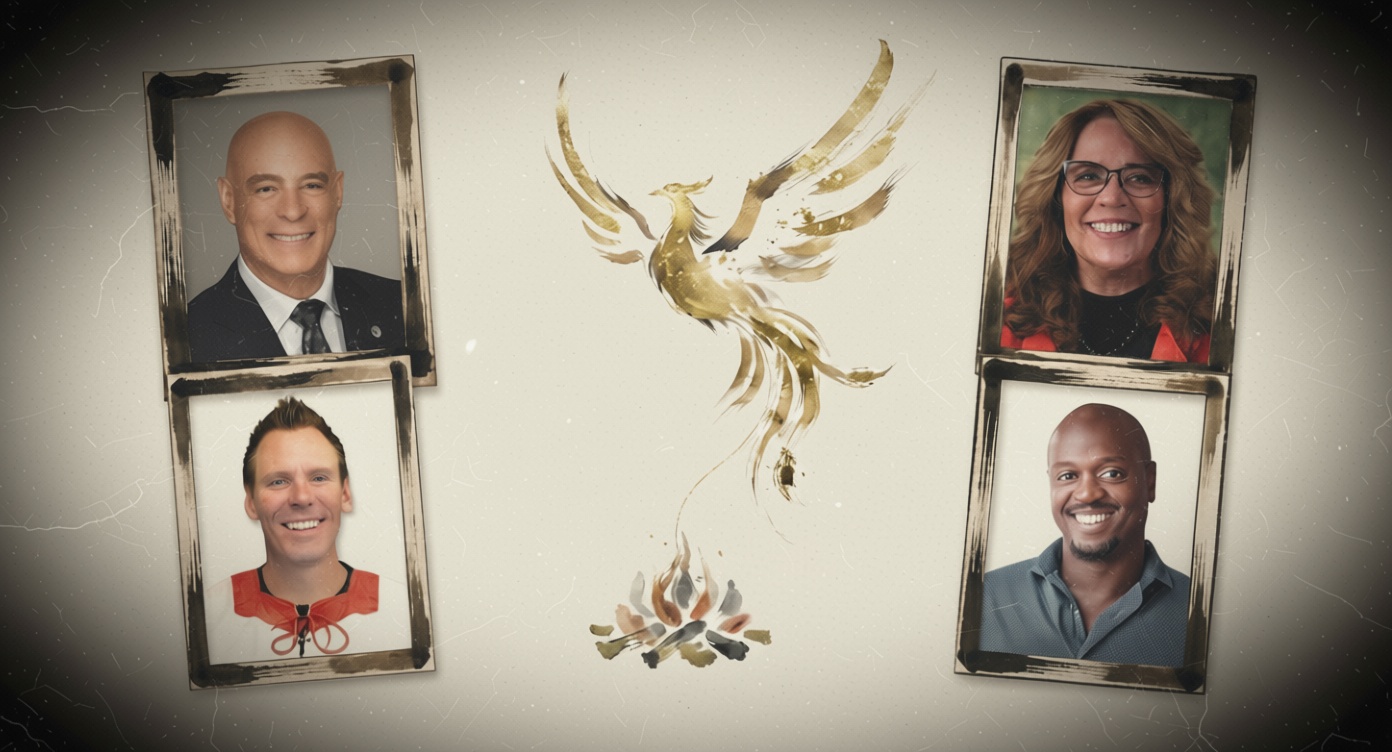
The current Psi Games are the creation of Hakim Isler, a martial artist and wilderness survival instructor based in Charlotte. Isler, who describes himself as a “reluctant founder,” says the project felt less like a conventional plan than an idea that repeatedly returned until he acted on it. In the source account, he frames the event as something that arrived fully formed, despite practical obstacles such as funding and institutional support.
The structure of the Psi Games echoes Mishlove’s original concept: a public arena where psi claims can be explored through competition, demonstration, and education. For proponents, that format matters. It shifts the conversation away from abstract debate and toward observable performance, even if the underlying phenomena remain controversial. It also places the event in a broader lineage of attempts to normalize parapsychological inquiry through accessible, audience-driven formats.
Mishlove’s Continued Influence
Mishlove’s role in the new event underscores his unusual durability as a public advocate for psi research. Rather than merely being credited as an originator, he is now helping validate a younger generation of practitioners—referred to in the piece as “PSIoneers”—who are trying to build institutions and rituals around the subject. The article also notes a collaborative video featuring a Ganzfeld experiment, a classic parapsychology method often used in telepathy research, suggesting that the Psi Games will include elements of both entertainment and experimental demonstration.
For now, the significance of the Psi Games lies less in any claim of proof than in the fact that a once-rejected idea has finally found an audience. What Hollywood passed over as impractical in the 1980s is now being staged in a live setting, with Mishlove present not as a nostalgic footnote but as an active participant in the next chapter of the story.