Overview
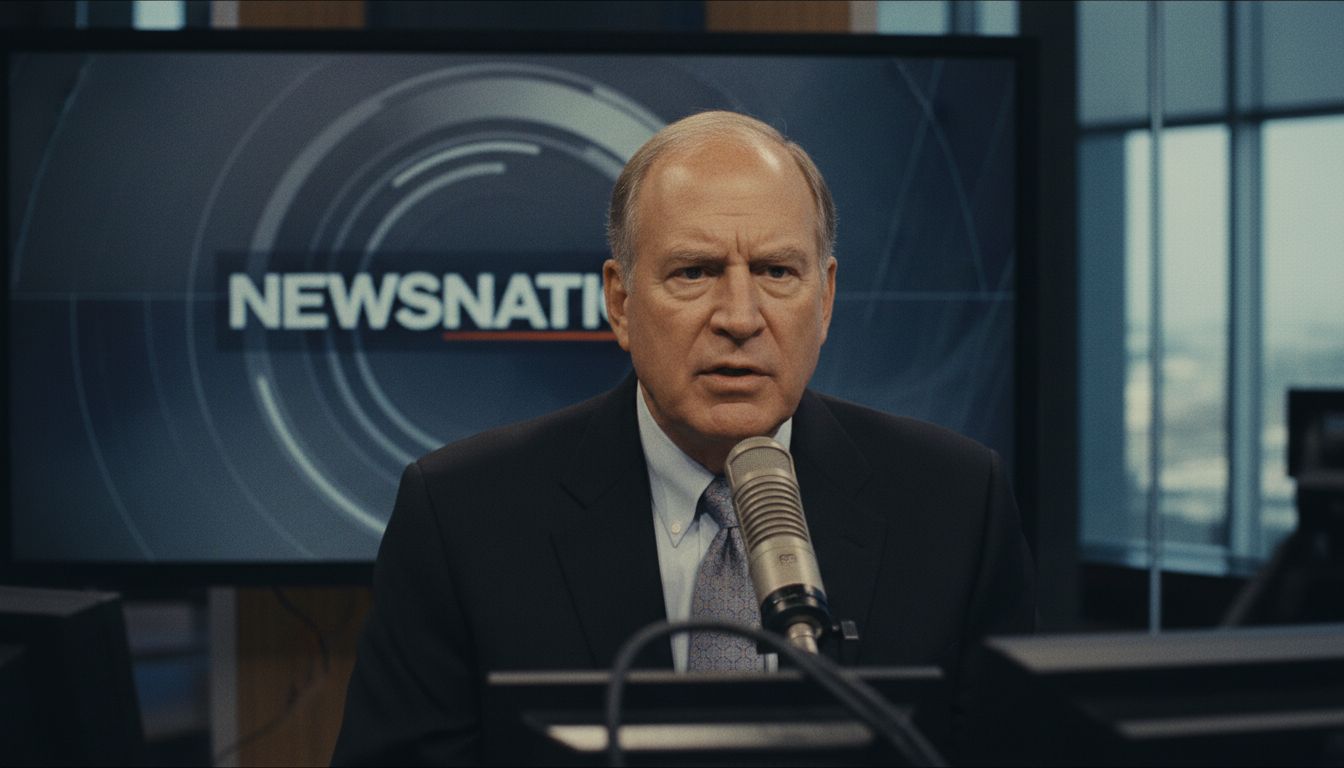
Dr. Phil is urging the government to take the UFO and UAP issue more seriously, arguing that officials have not been sufficiently open or realistic about the possibility that some unexplained objects could represent alien craft. In a NewsNation segment tied to a recent report, the television personality criticized what he sees as an overly cautious or evasive public posture from government agencies, saying the subject deserves serious attention rather than dismissal.
His comments arrive as public interest in unidentified anomalous phenomena, or UAP, remains high and lawmakers continue to press for more transparency from the Pentagon and intelligence community. While many sightings are later explained as aircraft, balloons, drones, or natural phenomena, a small number remain unresolved — and that uncertainty continues to fuel calls for more disclosure, better data, and less stigma around reporting unusual incidents.
A Call for Straight Talk
According to the NewsNation segment, Dr. Phil’s central complaint is not simply that the government has little to say — it is that officials have not been straightforward enough about what is known, what is not known, and what remains under review. He framed the issue as one of public honesty, suggesting that the government should stop treating the possibility of extraterrestrial origin as unserious or taboo.
That stance mirrors a broader argument that has gained traction among some researchers, former military officials, and UAP advocates: if unexplained craft are being observed by trained witnesses, then the public deserves clear information about how those observations are being evaluated. Supporters of greater transparency say the conversation should be based on evidence, not ridicule, even when the conclusions are uncertain.
Why the Topic Keeps Resurfacing
The renewed attention reflects a larger shift in how UAP reports are handled in the public sphere. In recent years, the U.S. government has acknowledged that some military sightings have not been fully explained, and officials have gradually moved from outright dismissal toward more measured acknowledgment. That has opened the door for more public debate — and for voices like Dr. Phil’s to argue that the conversation is still too constrained.
At the same time, skepticism remains central to the discussion. Many experts caution that unexplained does not mean extraterrestrial, and that careful analysis is essential before drawing sweeping conclusions. Still, Dr. Phil’s remarks tap into a widespread frustration among audiences who believe the government has not done enough to explain what it knows, especially when sightings involve advanced maneuverability or appear to outpace known capabilities.
The Broader Transparency Debate
NewsNation’s coverage places Dr. Phil’s comments within an ongoing national conversation about how agencies communicate with the public on UAPs. The issue is no longer confined to fringe speculation; it now intersects with defense policy, aviation safety, data collection, and congressional oversight. That has made transparency a recurring demand from lawmakers and the public alike.
Whether or not any unexplained encounter ultimately proves to involve extraterrestrial technology, the underlying question remains the same: How should the government talk about phenomena it cannot yet identify? Dr. Phil’s answer, at least in this segment, is that officials need to be more candid, more open-minded, and less dismissive of the possibility that some of these objects may not be of earthly origin.