Overview
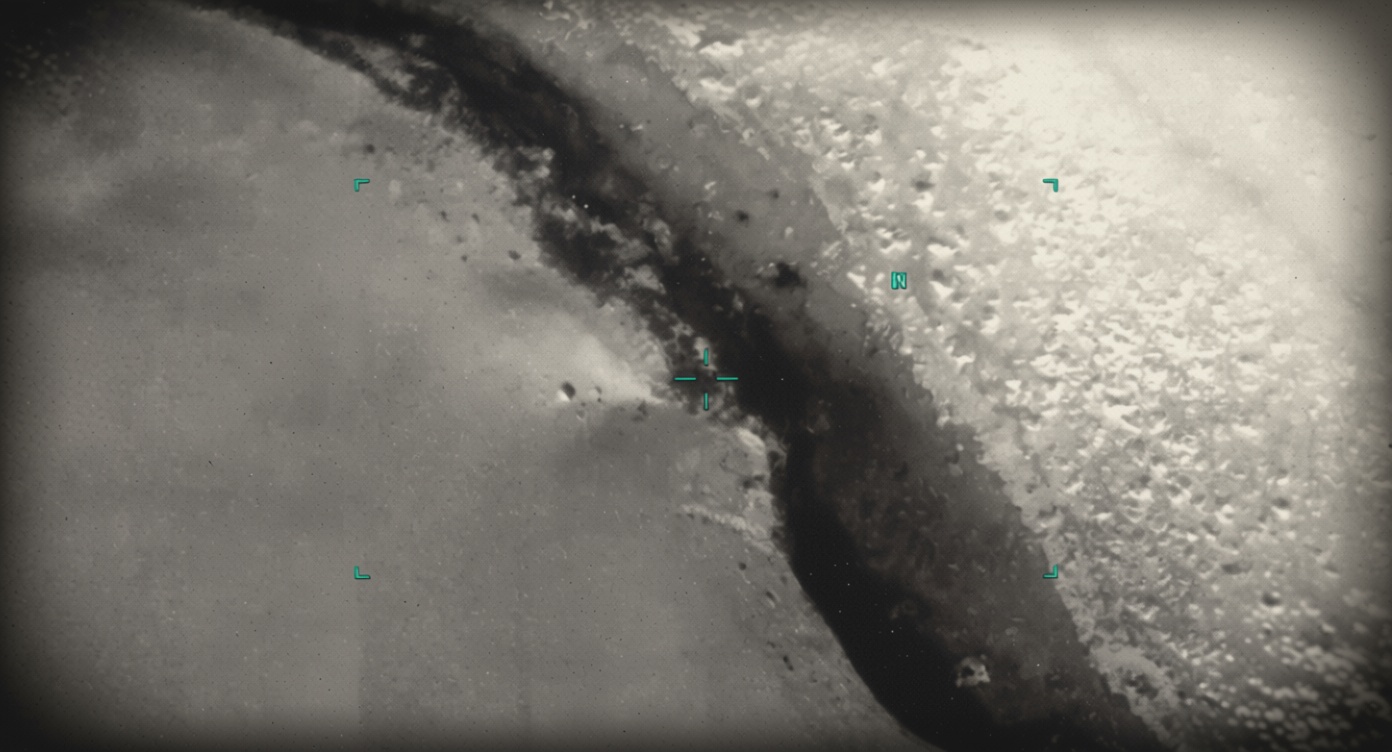
A DVIDS video release labeled “DOW-UAP-PR141, Unresolved UAP Report, Middle East, 2022” has drawn attention for documenting a military-related unidentified anomalous phenomenon (UAP) case that remains without a publicly stated conclusion. The listing, hosted on the Digital Visual Information Distribution System — the Defense Department’s official media distribution platform — appears to be a formal release centered on the incident, but the accessible material provides no additional identification of the object and no explanatory findings about what was observed.
What the Release Shows
The publicly available DVIDS page identifies the item by title only and does not include a narrative summary, technical analysis, or follow-up assessment in the source material reviewed. That means the release is best understood as a case record or archival media entry rather than a definitive disclosure of what the object was. The designation “unresolved” is significant: it indicates that, at least in the material attached to this release, the UAP was not conclusively explained.
Because the entry gives only the broad geographic reference of the Middle East and the year 2022, it leaves key questions unanswered, including who observed the object, what sensors may have captured it, and whether any corroborating data was collected. The lack of detail is consistent with the tightly controlled way military organizations often handle UAP-related materials, especially when operational security or incomplete data limits what can be made public.
Broader Pentagon Context
The release arrives against the backdrop of increased scrutiny of military UAP cases in recent years, as the Pentagon and related offices have faced pressure to improve transparency while still protecting sensitive information. Public interest in UAP has grown as former and current officials have acknowledged that some reports remain unresolved, often because available evidence is insufficient, fragmented, or difficult to verify. In that context, a video entry like DOW-UAP-PR141 fits into a broader pattern: the government may acknowledge that something was seen, but still stop short of providing a definitive explanation.
That distinction matters. An unresolved label does not automatically imply something extraordinary; it simply means the case did not reach a public conclusion based on the evidence shared. For researchers and observers, these records are important not because they confirm a particular theory, but because they show that military UAP reporting continues to generate official documentation even when final answers remain out of reach.
Why It Matters
The DVIDS release also highlights how little can sometimes be learned from a title alone. In this case, the material suggests that the military chose to catalog the report in a formal system, but the accessible page does not provide enough information to determine whether the incident involved a drone, balloon, aircraft, sensor artifact, or another type of object. That absence of detail limits interpretation and reinforces the need for caution when drawing conclusions from UAP references without supporting evidence.
For now, DOW-UAP-PR141 stands as another example of a publicly listed but still unexplained military UAP report. It adds to the body of official references that continue to fuel interest in UAP transparency, while also underscoring the persistent gap between public curiosity and the limited information governments are often willing — or able — to release.