Overview
A recent discussion of early UFO narratives argues that the modern idea of “UFO disclosure” may have roots not only in reports of unexplained aircraft, but also in Cold War-era propaganda, intelligence activity and popular storytelling. The Reddit post, which summarizes a Substack series titled The UFO Psyop: Unmasking the UFO Deception From Its Origins to the Present Day, presents these ideas as a historical interpretation rather than as established fact. The material provided does not include documentary evidence, independent verification or substantive analysis from commenters.
The series uses the term “psychological operation,” or psyop, in the broad sense of an effort to influence public attitudes through noncombat means. It opens with the 1938 broadcast of Orson Welles’ dramatization of H.G. Wells’ The War of the Worlds, which was presented in the style of breaking news. Some listeners in New York and New Jersey reportedly believed the fictional invasion was real, prompting anxious calls to authorities. The episode is frequently cited in discussions of mass communication and public fear, although the scale of the resulting panic has also been debated by historians.
From Mass Panic to Flying Saucers
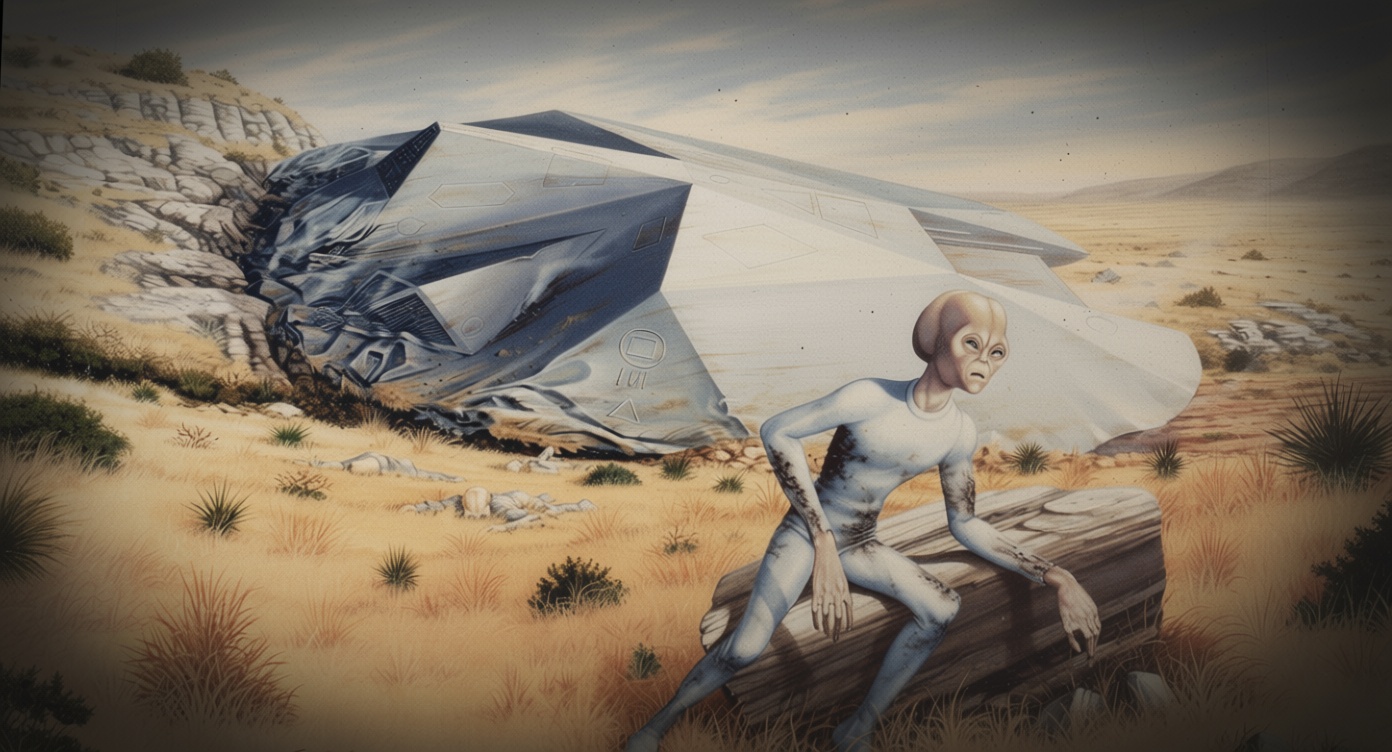
According to the source, the Rockefeller Foundation funded research after the broadcast into the psychological and sociological effects of misinformation and propaganda. The series presents that episode as an early example of how reports of extraterrestrial activity could influence public behavior. It then traces what it describes as a transition from wartime sightings of unusual aircraft to the emergence of postwar “flying saucer” reports and increasingly elaborate theories about their origins.
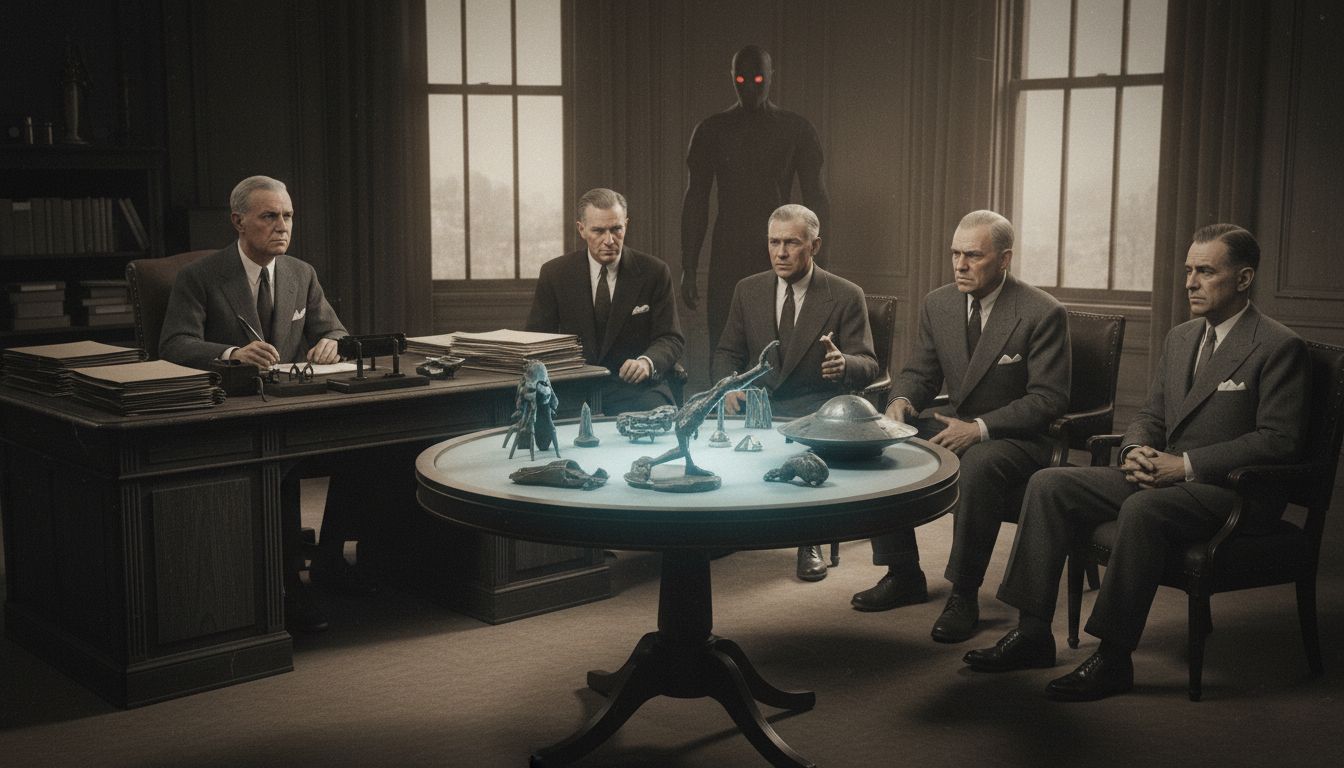
The supplied material references several competing explanations explored by the series: extraterrestrial visitors, unconventional or experimental aircraft, and covert government programs. It also describes an alleged divide between officials or researchers who regarded UFOs as a security concern and a “pro-E.T. faction” that promoted an extraterrestrial interpretation. These claims are presented in the source’s outline, but the excerpt does not provide the names, records or corroborating studies needed to assess them independently.
Contactees and the “Alien Smokescreen”
A central theme is the rise of contactee narratives—accounts from individuals who said they had communicated with or traveled alongside benevolent space beings. The source labels this development “the origins of the alien smokescreen” and links it to broader claims involving the CIA, psychological warfare, escaped Nazis and clandestine American aerospace projects. The accompanying summary further says the discussion connects the movement’s origins to hidden fascist ideas.
Those are serious historical allegations, but the available material does not establish them. No evidence is supplied showing that U.S. agencies created or directed the contactee movement, nor does it demonstrate that early contactee accounts were part of a coordinated campaign. At most, the narrative raises questions about how government secrecy, classified aircraft programs and Cold War anxieties may have shaped public interpretations of unusual sightings.
Relevance to Modern Disclosure
The discussion is significant because many contemporary UFO debates still draw on early stories of government concealment, alien visitation and secret technology. In that sense, contactee literature and mid-century saucer reports helped establish recurring themes now associated with disclosure: hidden knowledge, official denial and the possibility that authorities possess information withheld from the public.
However, influence is not proof of orchestration. The source’s argument remains a contested interpretation, and the excerpt does not provide enough documentation to determine whether early UFO narratives arose organically, were encouraged by intelligence actors, or reflected a combination of cultural fears and genuine misidentifications. Further evaluation would require archival records, contemporaneous reporting and independent scholarship rather than relying solely on the series’ claims.