Overview
Eastern Air Lines Flight 401 occupies a rare place in aviation history: it is remembered both as a deadly 1972 crash and as one of the most enduring ghost stories in American aviation. The accident itself is thoroughly documented, but the supernatural claims that followed — especially reports that two dead crew members were seen aboard other aircraft — have kept the story alive for more than five decades. At the center of the legend are Captain Robert “Bob” Loft and Flight Engineer Donald “Don” Repo, both of whom died in the crash and were later said, in recurring stories, to have appeared as lifelike figures on other Eastern Air Lines Lockheed L-1011 TriStars.
The distinction between the event and the folklore is important. The crash is a matter of record; the ghost sightings are unverified paranormal claims. Still, the legend has persisted because it blends a real tragedy with a series of eerie accounts that many airline workers and passengers found difficult to dismiss.
The Night of the Crash
Flight 401 departed John F. Kennedy International Airport and was approaching Miami International Airport on the night of December 29, 1972 when the crew noticed a problem with a landing gear indicator light. The aircraft was a relatively new Lockheed L-1011 TriStar, a highly advanced wide-body jet for its time. As the crew focused on the suspected landing gear issue, the plane’s altitude gradually decreased. The autopilot had become disconnected without the crew realizing it, and the aircraft descended into the Everglades about 18 miles west-northwest of the airport.
The impact destroyed the plane. According to the Federal Aviation Administration’s historical account, 101 people died in the crash, including Loft and Repo. The tragedy became a landmark case in aviation safety because it demonstrated how even highly trained crews could become fixated on a single malfunction while losing awareness of the aircraft’s overall flight path. In the years that followed, investigators and safety experts pointed to Flight 401 as one of the accidents that helped spur the development of crew resource management, a set of procedures designed to improve communication, monitoring, and decision-making in the cockpit.
How the Ghost Story Took Hold
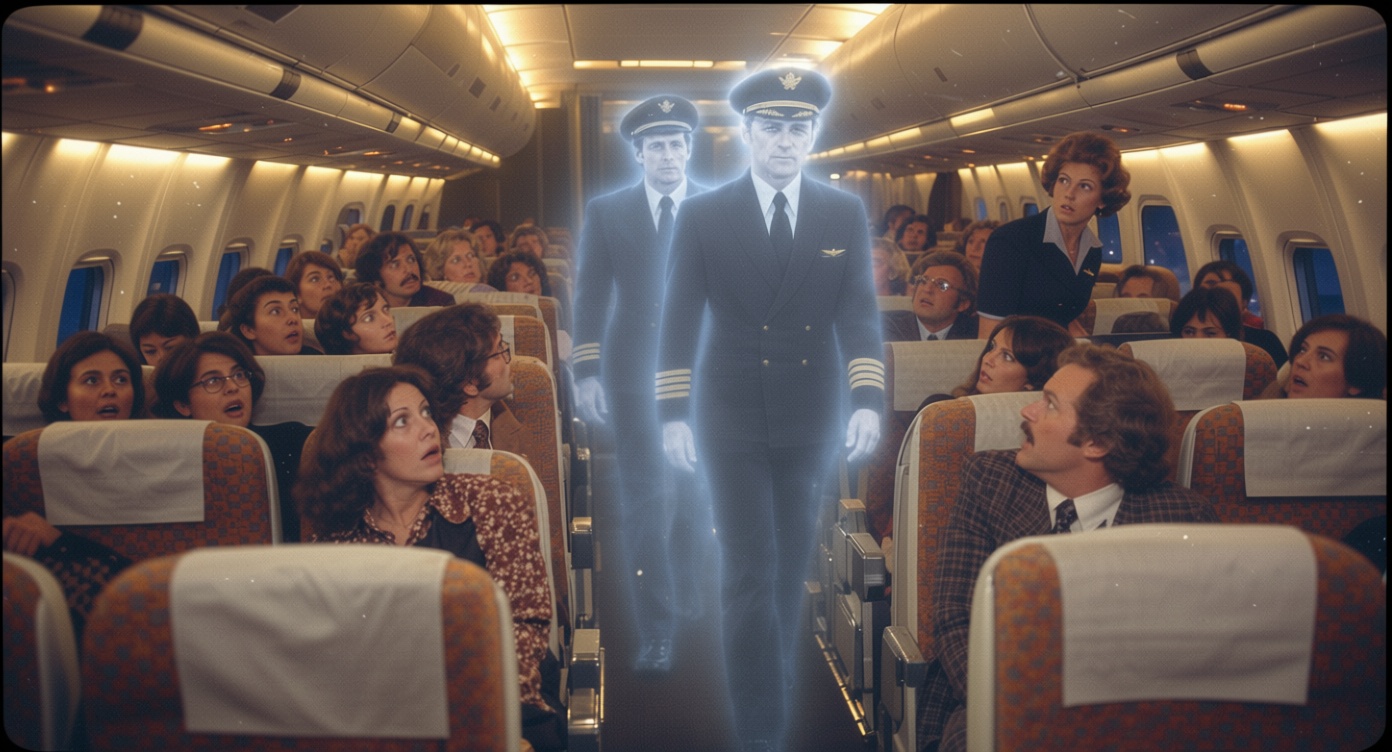
The haunting legend emerged in the aftermath of the crash and centered almost entirely on Loft and Repo. According to the stories, the two men did not remain confined to the crash site. Instead, they were said to have appeared aboard other Eastern L-1011s, sometimes looking so convincing that crew members initially believed they were seeing living colleagues. In some versions of the tale, the apparitions were linked to warnings or unexplained behavior on the aircraft, adding to the sense that the dead were still trying to communicate with the living.
These accounts transformed Flight 401 from a disaster into a cultural mystery. The stories were repeated often enough to become aviation lore, especially among Eastern personnel, but they remained anecdotal rather than proven. No evidence has established that the victims’ spirits traveled with salvaged parts of the aircraft or that the sightings were anything more than misidentifications, rumor, or coincidence.
Legacy
What makes Flight 401 so enduring is the way it sits at the intersection of hard aviation history and supernatural narrative. On one level, it is a sobering reminder of how quickly a routine approach can turn fatal when cockpit attention narrows too far. On another, it is a classic ghost story — one grounded in a real disaster, but expanded over time by eyewitness claims and popular retellings. More than 50 years later, Eastern Air Lines Flight 401 remains famous not only for the loss of life in the Everglades, but also for the legend that followed it into aviation history.