Overview
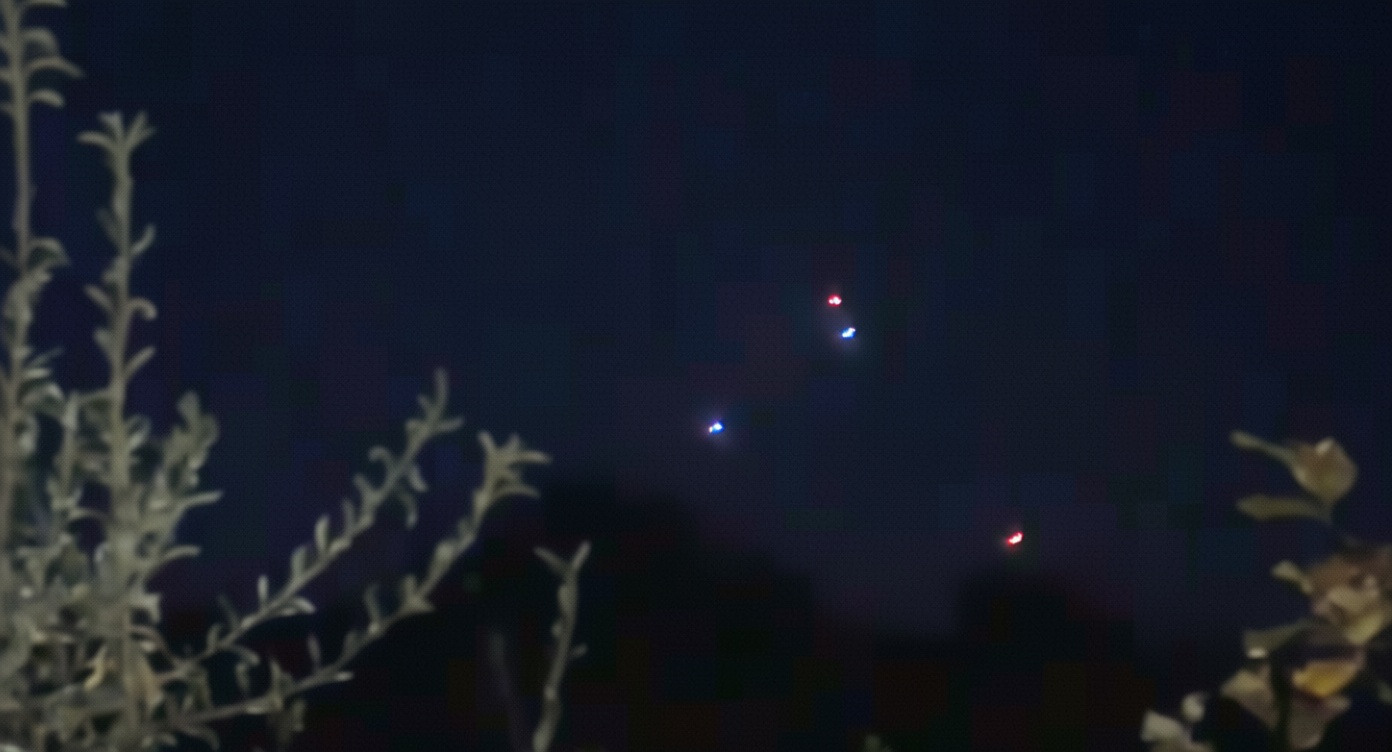
Elon Musk’s public comments on unidentified aerial phenomena (UAP) have attracted attention beyond his usual tech headlines. In interviews and on X, the SpaceX and Tesla CEO has repeatedly acknowledged that “UFOs exist” as a factual observation, emphasizing that they represent unidentified rather than necessarily extraterrestrial craft. While his remarks often surface in sensational media, they are rooted in a broader strategic vision: humanity must become a multiplanetary species to mitigate existential risks, and any credible data on advanced propulsion could accelerate that goal. The latest analysis from Alienated Media (Sept. 23, 2025) places Musk’s fascination within the context of ongoing government disclosure efforts and the scientific community’s push for transparency.
Musk’s Rationale
Musk frames his interest in UAP through a scientific lens, arguing that dismissing unexplained observations “closes the door on potential breakthroughs.” He points to the Pentagon’s recent UAP report as evidence that “there are phenomena we cannot yet explain with current physics,” and suggests that systematic study could reveal novel energy or propulsion concepts. This stance aligns with his long‑standing advocacy for open data: Musk has called on the U.S. government to declassify relevant sensor recordings, asserting that “knowledge is the catalyst for innovation.” By treating UFO sightings as data points rather than folklore, he hopes to integrate them into the research pipelines that drive SpaceX’s Starship development and future interplanetary missions.
Technological Implications
SpaceX’s rapid advancements—reusable rockets, high‑thrust methane engines, and the Starlink constellation—already push the envelope of aerospace engineering. Musk believes that if any UAP exhibit propulsion beyond conventional chemistry, “it would force a paradigm shift” in how we design spacecraft. For example, the company’s work on rapid orbital refueling and in‑space manufacturing could benefit from insights into low‑drag, high‑acceleration flight regimes observed in some UAP reports. While no direct evidence links current SpaceX projects to alien technology, Musk’s willingness to explore unconventional hypotheses encourages collaboration between private industry, academia, and defense agencies, potentially widening the pool of expertise tackling anomalous flight data.
Societal and Policy Impact
Beyond engineering, Musk’s public posture influences public discourse on space policy. His call for transparency resonates with a growing bipartisan push in Congress to fund UAP research, echoing the sentiment that “the public deserves to know what’s out there.” By positioning the conversation within the larger narrative of planetary survival—climate change, asteroid threats, and resource depletion—Musk connects extraterrestrial curiosity to concrete policy objectives, such as increased funding for NASA’s Artemis program and accelerated Mars settlement timelines. Critics caution against conflating speculative UFO claims with scientific agendas, but Musk’s emphasis on “evidence‑based inquiry” aims to keep the dialogue grounded.
Outlook
As SpaceX prepares its first crewed Mars mission, the intersection of Musk’s entrepreneurial drive and his openness to unidentified phenomena will likely remain a focal point for both media and policymakers. Whether future disclosures will substantiate his suggestions of advanced propulsion remains uncertain, but the push for data openness may yield incremental scientific gains regardless of origin. Observers note that Musk’s stance exemplifies a pragmatic approach: treat UFOs as an unknown variable that, if understood, could shorten humanity’s path to becoming a multiplanetary civilization. In the meantime, his comments continue to shape a nuanced conversation that balances curiosity, skepticism, and the practical demands of interstellar ambition.