Overview
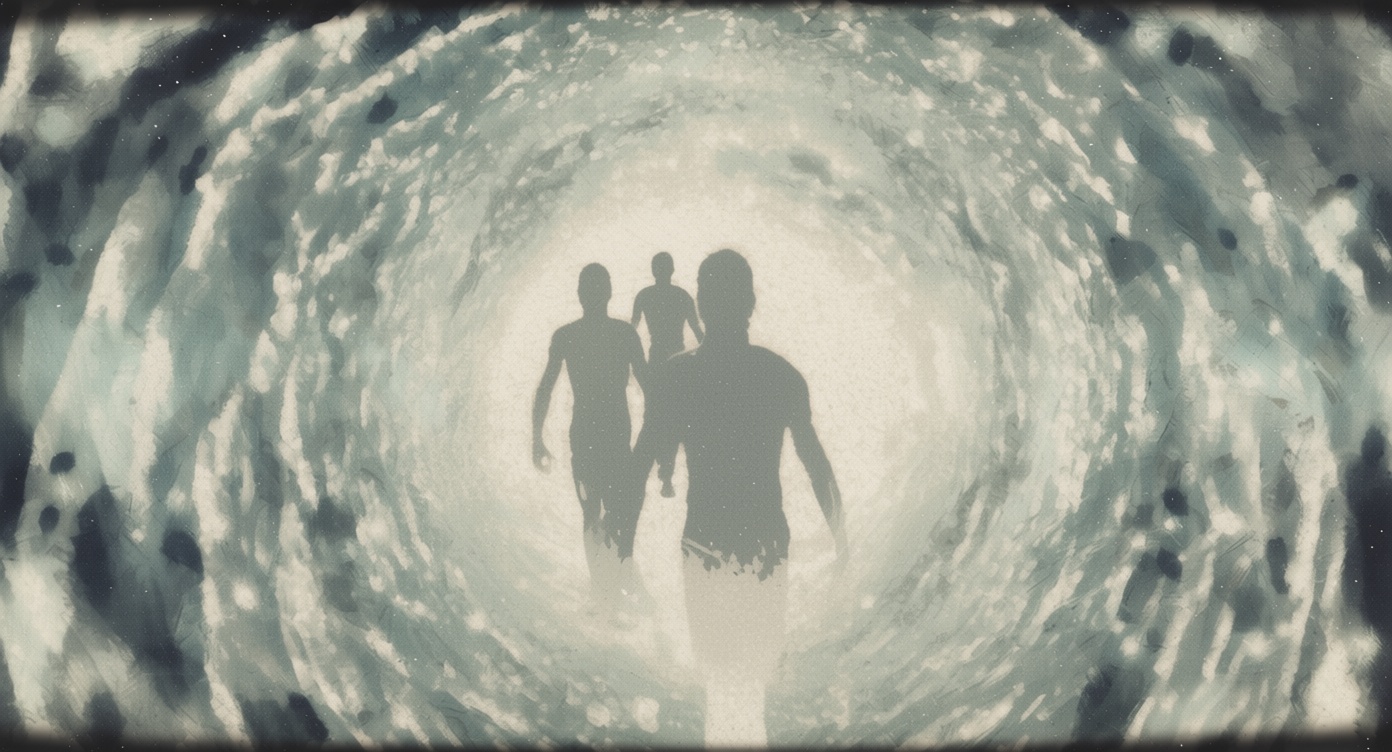
A growing but still little-studied phenomenon known as shared death experiences is drawing new attention from researchers interested in consciousness, grief and end-of-life care. Psychotherapist William Peters, founder of the Shared Crossing Project and director of the Shared Crossing Research Initiative, says he first encountered the experience personally when his father was dying. Peters describes perceiving a “different dimension” populated by deceased relatives, including family members he had never met, and feeling the presence of what he interpreted as a guide or “conductor” overseeing the transition. Moments later, he says, his father died. For Peters, the event was not merely emotional but transformative, shaping his professional focus on how people perceive death and what they believe happens at the boundary between life and death.
What researchers mean by shared death experiences
Shared death experiences, or SDEs, are often discussed alongside near-death experiences, but researchers emphasize a key distinction: the person reporting the event is not themselves in physical danger. Marieta Pehlivanova, PhD, a research assistant professor of psychiatry and neurobehavioral sciences at the University of Virginia School of Medicine, said near-death experiences are generally understood as altered states of consciousness that occur during medical crises, ranging from heart attacks to resuscitation after clinical death. By contrast, SDEs tend to involve a healthy person who is emotionally close to someone who is dying and who reports a profound, seemingly shared experience at the bedside.
Peters says the reports he has collected over years of interviews are strikingly consistent. Many people describe time as distorted, say they sensed a deceased relative or felt transported into another realm, and report a strong impression that consciousness continues in some form after bodily death. He argues that, in functional terms, the narratives resemble those of near-death experiencers: “At the moment of human death, our consciousness, our soul, our spirit, or whatever you want to refer to it as, departs the human body and enters into another existence,” Peters said. While that interpretation remains contested, the emotional impact described by participants is difficult to dismiss, particularly for those who say the experience altered their understanding of grief.
The clinical and scientific questions
The phenomenon also raises broader questions for psychiatry and neuroscience about how to classify unusual perceptions at the edge of death. Marina Weiler, a researcher in this field, has argued that out-of-body and disembodiment experiences should be examined carefully rather than automatically placed into pathological categories. The issue is especially sensitive because such experiences can overlap with symptoms seen in mental illness, trauma or neurological conditions. But experts caution against assuming that every report of detachment from the body or a perceived presence is a sign of disorder. In many cases, the experience may be tied to stress, bereavement or altered consciousness rather than psychosis.
That balance is central to ongoing debates in end-of-life research. Peters and the Shared Crossing Research Initiative, working with the Family Therapy Institute of Santa Barbara, say they have conducted hundreds of interviews with people who report SDEs, making them one of the main sources of data in an area that still lacks large-scale studies. For believers, these events can provide comfort and help make a loved one’s death easier to accept. For scientists, they present a difficult but important challenge: how to investigate deeply meaningful experiences without prejudging their cause.