Overview
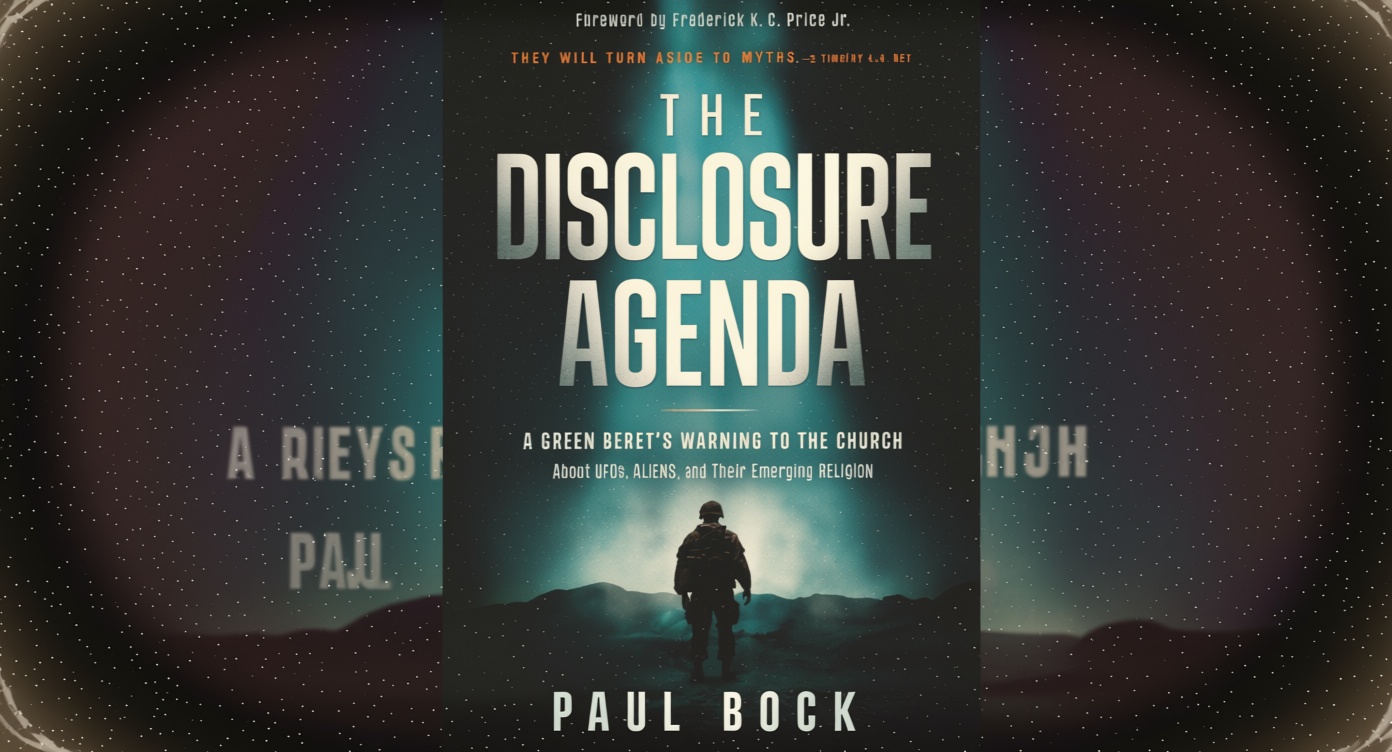
An article published by International Business Times UK on Aug. 23 has drawn attention in UFO circles for taking a notably reflective approach to the subject of unidentified flying objects, or UAP. Rather than treating the topic as a contest between believers and skeptics, the piece frames UFO discussion as an intersection of science, philosophy and public interpretation. Shared widely in UFO communities on Aug. 24, 2026, the article’s central message is that anyone can write about the issue from almost any standpoint — but that careful reasoning still matters more than conviction.
The headline itself sets the tone: “UFO Beliefs Explored: Author Warns It Is ‘Always Going to Be More Likely That Someone Is Wrong.’” That formulation reflects a long-running tension in the field. UFO discussions often move between legitimate curiosity about unexplained aerial phenomena and broader belief systems that can outpace the evidence. In this case, the article appears to encourage readers to recognize that uncertainty does not automatically validate extraordinary claims. Instead, it suggests that when competing explanations are available, misinterpretation remains the more probable outcome.
Science, Philosophy and the Burden of Proof
What gives the article traction in UFO communities is its willingness to examine the subject beyond simple yes-or-no judgments. UFO claims are not merely scientific questions about sensors, sightings or data collection; they are also philosophical questions about how people know what they know, what counts as evidence and how much weight should be given to testimony when information is incomplete. That broader framing has become increasingly common in UAP coverage, particularly as public interest in government disclosures and official hearings has grown.
At the same time, the article’s warning about error underscores an important scientific principle: extraordinary conclusions require extraordinary evidence. In UFO discourse, that means sightings can be intriguing without being conclusive, and unexplained does not necessarily mean extraterrestrial. The piece seems to lean into that distinction, suggesting that the most responsible path is not choosing a side in advance, but evaluating each claim with skepticism, context and humility.
Why the Article Resonated
The fact that the article was circulated in UFO communities a day after publication indicates that its appeal lies partly in its balance. Supporters of UFO disclosure often seek coverage that treats the topic seriously without ridicule, while skeptics want reporting that avoids overstating weak evidence. By acknowledging that anyone can write about UFOs regardless of stance, the piece appears to recognize the openness — and the vulnerability — of the field: with so much ambiguity, interpretation can easily outrun proof.
That tension is likely to keep shaping the UFO conversation. Articles like this one do not resolve the debate over what UFOs represent, but they do highlight the standards that should govern it. In a field where certainty is often scarce, the most credible voices are frequently those willing to say that the evidence is incomplete — and that, in many cases, the simplest explanation may still be that someone is wrong.